Spiders
Understanding spider habitats and common hiding places
Content updated: June 30, 2026
Key takeaways
- Where spiders live depends on factors such as food sources, moisture, shelter, and hunting behavior.
- Spider habitats can include deserts, forests, streams, gardens, and areas in and around homes.
- Many spiders are attracted to quiet, undisturbed spaces such as attics, basements, and garages.
- Some spiders actively hunt for prey, while others build webs to capture insects.
- Sealing entry points, reducing clutter, and installing screens on windows and doors can help make your home less inviting to spiders.
Jump to section:
What should I do if I find a spider living in my home?
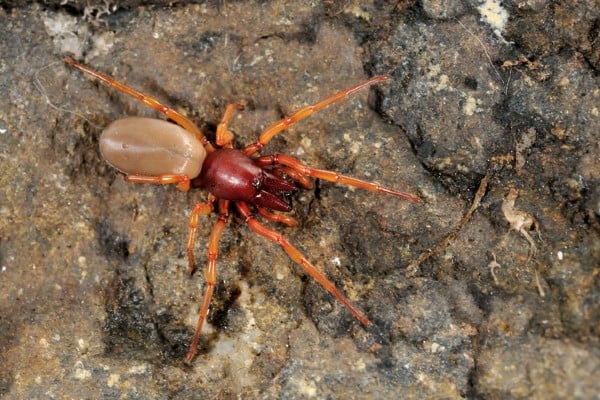
Spiders can be found in a wide range of habitats, from deserts and forests to basements, attics, and garages. A spider's habitat is often determined by factors such as food availability, moisture, shelter, and how it captures prey. Learn where spiders live, the types of environments they prefer, and why some species are more likely to be found in and around homes.
Where do spiders live?
A spider's choice of where to live comes down to a few key things: a steady food source, their capture style for prey, enough moisture, and a safe, sheltered spot to call their own. Spiders are often attracted to quiet, undisturbed spots like your attic, basement, or garage when they venture indoors. Outside, these adaptable arachnids truly make themselves at home in various places, whether under the eaves of a house, in the corners of a garden shed, or weaving their intricate webs in the nooks of trees. Spiders typically capture their prey in two ways: some actively hunt, while others build intricate webs to catch their meals.

House spider habitats
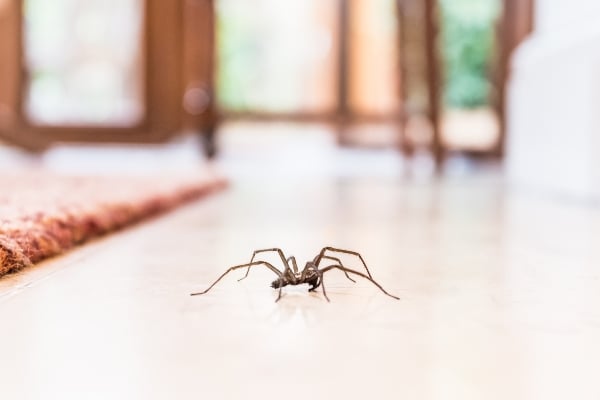
These common indoor dwellers are known for their messy, tangled webs found in quiet corners.
- Environment: Dark, secluded spots like corners, basements, attics, and garages
- Web location: Areas like corners, under furniture, near windows
- Capture technique: Web-builders
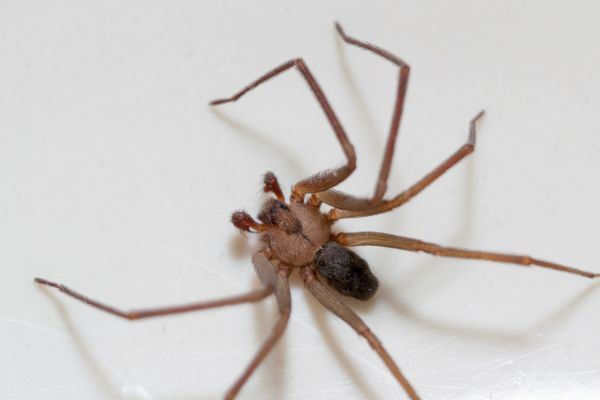
Brown recluse spider habitats
Often found hiding in undisturbed clutter, the brown recluse is a shy spider that rarely builds a large hunting web.
- Environment: Warm, dry, secluded areas
- Web location: Basements, attics, closets, shoes, storage boxes, woodpiles, sheds, or under rocks
- Capture technique: Hunters
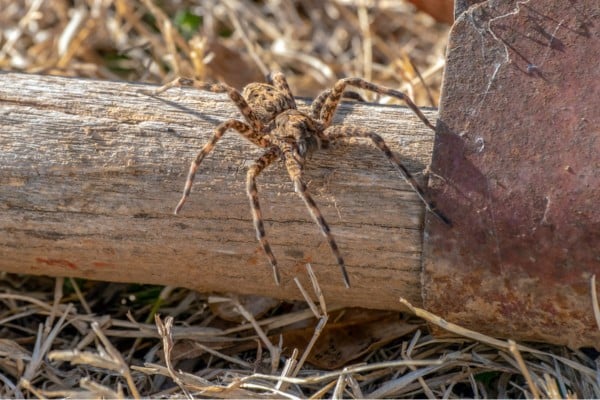
Wolf spider habitats
Unlike many web-building spiders, the wolf spider is a swift hunter who stalks its prey on the ground.
- Environment: Forests, gardens, grasslands, marshes, mountains
- Web location: Burrows or natural holes and leaf litter
- Capture technique: Hunters
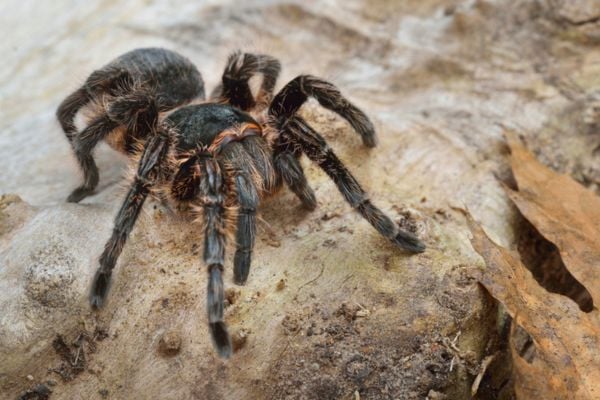
Tarantula spider habitats
These large, often hairy spiders are known for living in burrows and ambushing their prey rather than spinning webs.
- Environment: Rainforests to deserts, across many continents
- Web location: Ground burrows (dug or taken over); some in silk-lined tree hollows
- Capture technique: Hunters
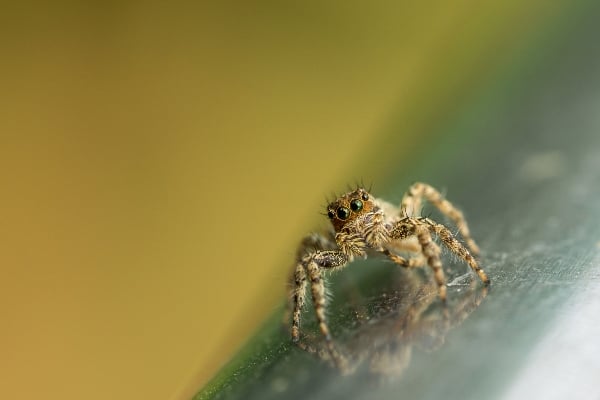
Jumping spider habitats
With their excellent eyesight and agile movements, jumping spiders are active daytime hunters that leap onto their prey.
- Environment: Diverse: tropical forests, temperate regions, urban areas
- Web location: Grasslands, prairies, open woodlands, backyards, and gardens
- Capture technique: Hunters
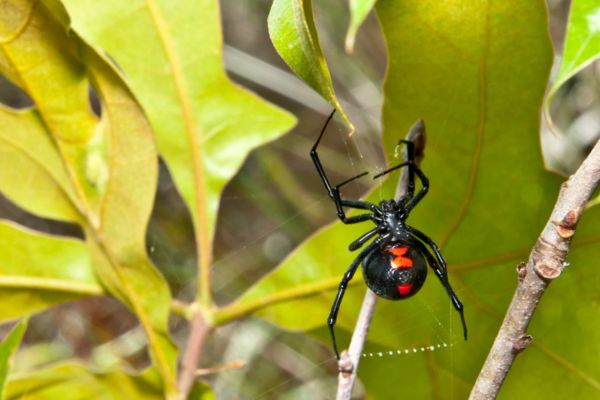
Black widow spider habitats
Recognizable by their distinct markings, black widow spiders build strong, irregular webs in dark, undisturbed places.
- Environment: Dim, sheltered indoor areas, avoiding high-traffic spots
- Web location: Cardboard boxes, shoes, sheds, garages, attics, dark corners
- Capture technique: Web-builders
What should I do if I find a spider living in my home?
Many homeowners unknowingly create an inviting spider habitat within their cluttered basements and attics. Simple steps like sealing cracks and crevices around your foundation, adding screens to windows and doors, and keeping clutter to a minimum inside and out can help prevent spiders from entering your home.
And remember, spiders play a vital role in our ecosystem, acting as natural pest control by munching on unwanted insects like mosquitoes and flies. While most spiders are harmless, you might want to give extra space to certain species, like the black widow or the brown recluse. However, if you face more spiders than you're comfortable with, or these helpful creatures become unwelcome guests, Terminix spider control services are here to help!