What are tarantulas
Content updated: June 18, 2026
Key takeaways
- Tarantulas are large, hairy spiders that can grow to nearly five inches in body length.
- Depending on the species, tarantulas may live in burrows in the ground or in silk-lined retreats in trees.
- A tarantula’s diet consists mainly of insects, although larger species may also prey on small lizards, birds, and mice.
- Tarantulas are venomous, but they are generally not considered dangerous to humans.
- Tarantula bites are rare and typically cause mild symptoms such as pain and swelling around the bite area.
Jump to section:
Where do tarantula spiders live?
What do tarantula spiders eat?
Are tarantula spiders dangerous?
What to do if you see a tarantula
Tarantulas (family Theraphosidae) are among the largest and most recognizable spiders in the world. Found in habitats ranging from rainforests to deserts, these spiders play an important role as predators in many ecosystems. Learn where tarantulas live, what a tarantula spider eats, whether tarantulas bite, and what to do if you encounter one.
What do tarantulas look like?
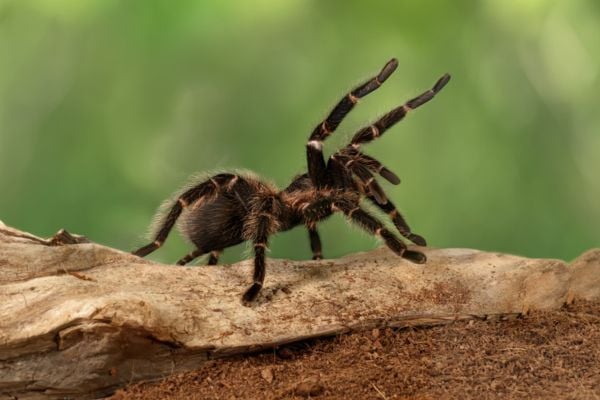
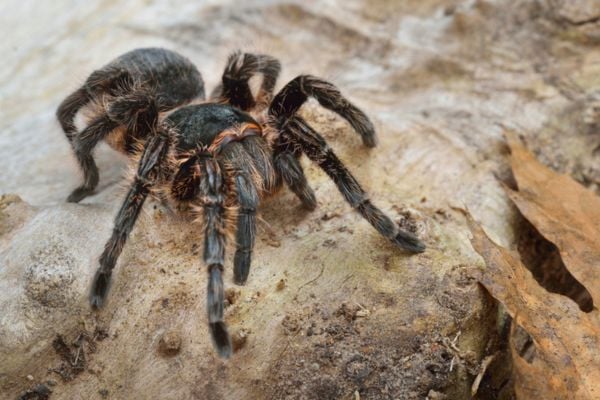
Tarantulas are known for their large size, with a body that can measure up to almost five inches in length. Their bodies are covered in dense hair, which can vary in color from black to brown, and more vibrant hues, depending on the species. One of the key features of tarantulas is the colored bands or patterns found on their legs. These bands can be vivid and are often used to identify specific species. These creatures are highly adapted to their environments, with their striking features serving as a defense mechanism that can help deter predators.

The life cycle of tarantulas
The life cycle of a tarantula spans from egg to adulthood. After mating, a female tarantula lays an egg sac containing anywhere from 50 to 2,000 eggs, depending on the species. The eggs incubate for six to eight weeks before hatching into spiderlings. These spiderlings undergo a series of molts, shedding their exoskeletons to grow. It can take anywhere from two to five years for tarantulas to reach sexual maturity, which can vary based on the species and environmental conditions.
Typically, male tarantulas live shorter lives than their female counterparts, often surviving only for about six to seven years. Females, on the other hand, can live much longer, with many species living up to 20 years or more in the wild. In captivity, where threats from predators are limited and environmental conditions are ideal, tarantulas can live even longer.
Where do tarantula spiders live?
Tarantulas can be found in a wide range of habitats ranging from rainforests to deserts. In these habitats, tarantulas live in burrows on the ground, which they either dig themselves or take over from other animals. Some species are known to live in trees, constructing silk-lined retreats in hollows or under bark. They can be found across many different continents, including North and South America, Africa, Asia, and Australia.

What do tarantula spiders eat?
A tarantula spider's diet mainly consists of insects, although larger species have been known to prey on small lizards, birds, and mice. Their diet can vary based on their environment and the availability of prey. As for hunting, tarantulas do not rely on webs to catch their prey like other spiders. Instead, they wait for their prey to come close, and then they attack, using their powerful legs and fangs to capture their meal. Their fangs inject venom that paralyzes the prey, making it easier for the tarantula to eat.
Are tarantula spiders dangerous?
Tarantula spiders are generally not considered dangerous to humans. They are venomous, like most spiders, but their venom is designed primarily for small prey and is not lethal to humans. Some tarantula species are equipped with urticating hairs on their abdomens that they use for defense, which can irritate sensitive areas of the body. Many people may wonder, “Do tarantulas bite?” A tarantula bite on humans is very rare, and the effects are usually mild, similar to a bee sting, with symptoms that include pain around the bite and swelling. If you are near a tarantula in the wild, it's best to maintain a safe distance, as they are most likely more afraid of you than you are of them.
What to do if you see a tarantula
If you spot a tarantula in the wild or even in your home – it’s important not to panic. Remember, they are typically not aggressive towards humans and will only bite if they feel threatened. However, if you notice large tarantula populations in your area or if you are unsure of the spider's species, it is best to seek professional help.