Content updated: September 30, 2026

Key takeaways

  • Examining entry size, shape, and dirt mounds can help you determine what animal is digging holes in your yard.
  • Common burrowing animals in the yard include moles, voles, groundhogs, skunks, and chipmunks.
  • Removing food sources, clearing leaf litter, and installing garden mesh can help deter burrowing animals in the yard from causing damage.
  • If, after taking preventive steps, you’re still noticing new holes, our experts can identify animal holes in your yard to determine which animals are present and which treatment plan is best.


Jump to section:

Signs of animals digging in your yard

Burrowing vs. foraging holes

Identifying the animals digging in your yard

How to prevent animals from digging holes in your yard


If you’ve noticed holes, tunnels, or mounds of dirt in your yard, you may be wondering what animal is digging holes in your yard. While some animals, such as moles and groundhogs, dig burrows for shelter, others may dig or disturb the soil in search of food. Identifying the animal responsible can help you understand why the holes are appearing and determine the best way to address the activity.

If wildlife activity continues, Terminix wildlife control services can identify the source and develop a plan to help protect your property.
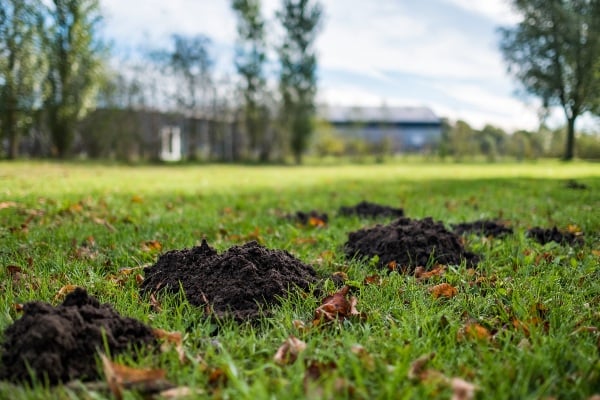
digging holes in garden


Signs of animals digging in your yard

Recognizing the signs of burrowing animals in your yard can help you determine which animal is present and how severe the problem may be. Here are a few signs to look for:

  • Small holes, shallow depressions, and mounds of dirt in the lawn or garden
  • Damaged roots, bulbs, and plants from tunneling, digging, or foraging
  • Uneven or bumpy areas of lawn
  • Trampled or damaged vegetation and flowers
  • Animal tracks and footprints around holes or disturbed areas
  • Droppings or feces near holes, burrows, or areas of activity
  • Sounds of digging and scratching, especially at night


Burrowing vs. foraging holes

Burrowing animals in your yard dig deeper tunnels and holes to create shelter, raise young, or escape predators, while foraging animals may dig smaller, shallow holes as they search for insects, roots, bulbs, or other food. Both behaviors can disturb the soil and leave noticeable holes or mounds in your yard, but the size, shape, and location of the holes can provide clues about the animal responsible.

Identifying the animals digging in your yard

Moles, voles, skunks, ground squirrels, and chipmunks are some of the more common causes of yard holes. Examining the size, shape, location, and surrounding signs can help you identify what animal is digging holes in your yard.

A mole poking its head and large digging paws out from the top of a fresh dirt molehill on a green lawn with pink tulips in the background.

1. Moles

Moles typically leave small, round openings or raised ridges in the soil, along with cone-shaped mounds of loose dirt that can be several inches wide. You may notice multiple holes or mounds spread throughout the yard, as moles create networks of shallow tunnels rather than a single isolated burrow. Most of their digging is related to foraging for earthworms and insects, although they can also create deeper tunnels for shelter and nesting.

A striped skunk peeking out from a dark hollow opening beneath a tree stump or den surrounded by dry leaves.

2. Skunks

Skunks tend to leave small, shallow, cone-shaped holes about three to five inches wide when digging in yards. You may find several holes scattered across a lawn or garden rather than grouped together. Skunks dig while searching for grubs, insects, and other food. They may also dig larger, deeper holes or use existing burrows for shelter.

High-angle shot of a ground squirrel holding food in its paws next to an open burrow hole in the dirt.

3. Ground squirrels

Ground squirrel burrow entrances are typically round or oval holes about 4 inches in diameter. You may find several openings spread throughout a yard, sometimes connected to an underground burrow system. Ground squirrels primarily dig these holes to create burrows for shelter, nesting, and raising young, but they may also disturb the soil while foraging for seeds, nuts, and insects.

A small grey vole emerging from its underground dirt burrow holding green leaves in its mouth.

4. Voles

Voles typically leave small, round holes about 1 to 2 inches wide, often hidden among grass, dirt, vegetation, or mulch. You may find multiple holes scattered throughout the yard, connected by shallow tunnels and visible runways rather than clustered around one large opening. Voles primarily dig shallow tunnels for shelter and travel, but they may also create small holes while foraging for roots, bulbs, and other plant material.

Close-up of a small striped chipmunk peeking out from its entrance hole in sandy soil.

5. Chipmunks

Chipmunks typically leave small, round holes about 2 inches wide, with little to no loose soil around the opening. You may find several holes scattered around your yard, particularly near trees, gardens, foundations, patios, or other sheltered areas. These holes are primarily entrances to underground burrows used for shelter and storing food.

A groundhog resting inside a large dirt burrow opening on a rocky, brush-covered hillside.

6. Groundhogs

Groundhogs (woodchucks) burrow entrances are typically large, circular or oval holes about 10 to 12 inches wide, with a nearby mound of loose soil. A groundhog usually has one main burrow entrance with additional openings nearby or hidden under vegetation, rather than many scattered holes throughout the yard. These holes are dug primarily for shelter, nesting, and raising young.

Top-down view of a raccoon foraging and digging in loose garden soil with its front paws.

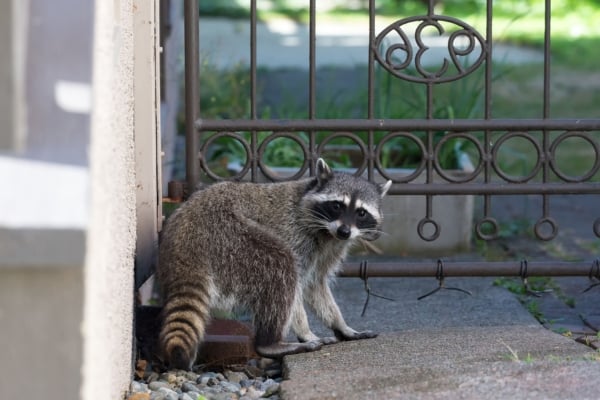
7. Raccoons

Raccoons can leave small, irregular holes or shallow divots in lawns, often about 3 to 5 inches wide, when digging through the soil. These holes are typically scattered throughout a yard rather than clustered together, particularly in areas with soft soil or healthy turf. Raccoons generally dig these holes while foraging for grubs, insects, and other food rather than creating underground burrows, although they may use existing cavities or dens for shelter.

A nine-banded armadillo using its snout and front claws to dig into the dirt on a grassy lawn.

8. Armadillos

Armadillos can leave small, round holes about 1 to 3 inches wide as they dig through lawns and gardens. You may find numerous holes scattered throughout the yard as armadillos search for food. Most of these holes are caused by foraging for insects, grubs, and other invertebrates, although armadillos may also dig larger burrows for shelter.

A prairie dog emerging from the entrance of a underground rocky soil burrow.

9. Prairie dogs

Prairie dogs create round burrow entrances that are typically 4 to 6 inches wide. These burrows are typically surrounded by a raised mound of excavated soil. Because prairie dogs live in large colonies, you may see numerous holes and mounds grouped relatively close together across an open area. These holes are primarily entrances to extensive underground burrows used for shelter, nesting, and raising young.

pocket gopher in ground

10. Pocket gophers

Pocket gophers typically leave small, round openings about 2 to 3 inches wide, along with distinctive horseshoe-shaped mounds of loose soil. Their openings are often spaced throughout a yard rather than clustered together, with each mound marking activity along an underground tunnel system. Pocket gophers primarily dig tunnels and mounds for shelter and travel. They also forage underground for roots, bulbs, and other plant material.

A small brown mouse peeking its head out of a circular ground burrow surrounded by dry grass and dirt.

11. Mice

Mice can leave small, shallow holes about 1 to 2 inches wide. These holes are typically round or irregular in shape and surrounded by loose soil. You may notice several holes scattered throughout grassy or planted areas rather than grouped around a single burrow. Field and deer mice may dig small burrows for shelter and nesting, but they can also disturb the soil while foraging for seeds, roots, and other food.

How to prevent animals from digging holes in your yard

Whether animals are digging holes for shelter or disturbing the soil while foraging for food, a few preventive steps can help reduce activity and protect your yard:

  • Reduce food sources: Keep your yard free of fallen fruits, nuts, pet food, and other food sources that may attract wildlife.
  • Protect gardens: Install hardware cloth or mesh beneath raised garden beds and around vulnerable plants to prevent wildlife from digging and foraging.
  • Keep the yard clean: Regularly rake leaves, remove yard debris, and clear away brush and other materials that can provide food or shelter.
  • Install fencing: Use fencing around gardens or along the perimeter of your yard to help keep wildlife from entering and digging.

If animals continue to dig or forage around your home, Terminix wildlife control services can identify animal holes in your yard and recommend the best solutions to help protect your property.