
Home Garden
What to know about birds on your roof
Content updated: October 29, 2026
Key takeaways
- Birds on roof areas can cause problems through nesting, droppings, debris, and access to vulnerable parts of your home.
- Bird activity can contribute to clogged gutters, damaged roofing materials, compromised chimneys, and access to attics.
- Birds and their nests can also harbor parasites such as mites, fleas, lice, and ticks.
- Identify bird species before removing birds or nests, as some species and their nests may be protected.
- Exclusion, roof maintenance, and professional bird control can help prevent birds from nesting and reduce potential damage.
Jump to section:
Why are birds nesting on my roof?
How to handle birds nesting on your roof
How to deter birds from your roof
Birds can be enjoyable to watch, but when they spend too much time around your home, they can become a nuisance. Birds on roof areas may nest, leave droppings, or take advantage of openings and damaged areas to access parts of your home.
While not every bird can cause problems, certain species and nesting behaviors can contribute to roof damage and other property concerns. If birds are causing problems around your home, Terminix bird control services can help identify the source of the activity and recommend appropriate solutions.
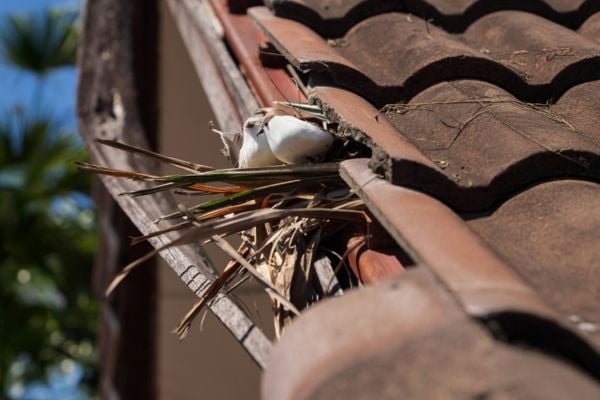
Why are birds nesting on my roof?
Birds may nest on roofs for many reasons, including:
- Roofs can provide birds with sheltered areas to rest, build nests, and raise their young.
- Openings under eaves, gaps in rooflines, and gutters can offer protection from the weather and predators.
- Food sources nearby, such as insects, seeds, and berries, may also attract birds to your property.
If you notice birds on roof areas around your home, identifying what attracts them can help you determine how to discourage nesting and prevent potential damage.
Can birds damage your roof?
Birds on your roof can contribute to damage in several ways, especially if birds nest or spend extended periods around your property. Nesting materials, droppings, and repeated activity can affect roofing materials and other parts of your home.
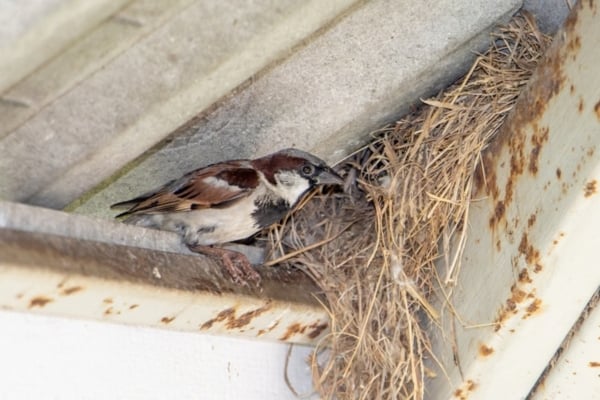
Clogged gutters
Birds may build nests in sheltered areas along your roofline, including soffits and corners where gutters connect to downspouts. Nesting materials, feathers, and other debris can fall into gutters and contribute to clogs. Gutters can also provide birds with access to water.
If you find abandoned nests or other signs of bird activity in your gutters, consider installing gutter guards and/or screens to help keep larger debris out.
Acidic droppings
Large amounts of bird droppings can create sanitation concerns and may damage roofing materials over time. Bird droppings contain uric acid, which can be corrosive and damage surfaces, including roofing materials, when it accumulates.
However, droppings may contain microorganisms that can also pose health risks if dried material becomes airborne during cleanup. Because of these risks, it’s best to have a professional handle significant accumulations of bird droppings.
Compromised chimneys
Some birds may use chimneys as sheltered places to nest. Nesting materials can accumulate inside a chimney and potentially obstruct the flue, which may interfere with proper ventilation and allow smoke to enter the home. Birds, including young birds, can also become trapped in a chimney and could potentially enter your home through the fireplace.
Attic scavenging
Damage or openings around your roof can provide birds with access to your attic, where they may nest or disturb stored belongings. Nesting materials, droppings, and other debris can also accumulate, creating additional cleanup.
You may hear scratching, chirping, or other persistent noises coming from your ceiling or attic before you see evidence of birds. Once the birds have been safely removed, have a professional seal openings and other access points to help prevent them from returning.
Birds and bugs
Birds and their nests can harbor a variety of parasites and other pests. Common parasites associated with birds include fleas, mites, lice, ticks, and some species of bird bugs.
If birds have been nesting near your home, inspect the surrounding area for signs of both bird activity and pest activity. Removing birds and addressing their nesting areas can help reduce conditions that may allow these pests to spread.
How to deter birds from your roof
Taking preventive steps can help discourage birds from perching and nesting on your roof and reduce the risk of property damage. Consider the following tips:
- Inspect your roof: Regularly check your roof, eaves, soffits, vents, and other areas for gaps or openings that birds could use to enter your home.
- Seal entry points: Repair damaged areas and seal openings that birds may use to access your attic or other parts of your home.
- Install exclusion: Consider professional bird exclusion methods, such as properly installed netting or other barriers, to block access to areas where birds regularly nest or roost.
- Maintain your property: Keep gutters clear of debris and address damaged roofing materials or other conditions that could provide birds with nesting opportunities.
- Remove attractants: Keep birdseed, food scraps, and other potential food sources away from your home.
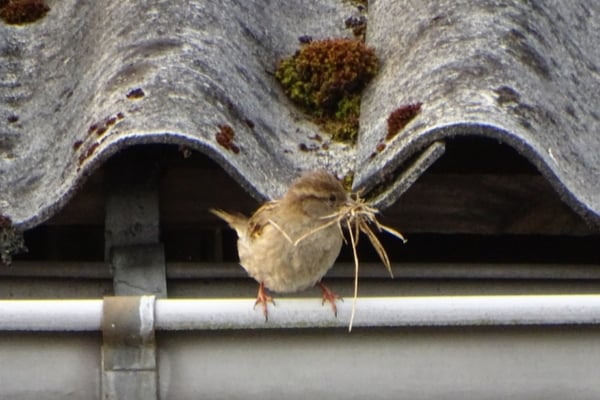
How to handle birds nesting on your roof
If you find nests or birds on your roof, identify the species before attempting to remove them. Some bird species, nests, and eggs may be protected by federal or state laws, so removing a nest or bird may not always be permitted. Birds can also become defensive around active nests, and working on a roof can create safety hazards.
Terminix bird control experts can identify the bird species, assess the nesting area, and determine an appropriate way to address activity. Depending on the situation, this may include removing an abandoned nest, addressing potential entry points, or installing exclusion measures to help prevent birds from returning.


