


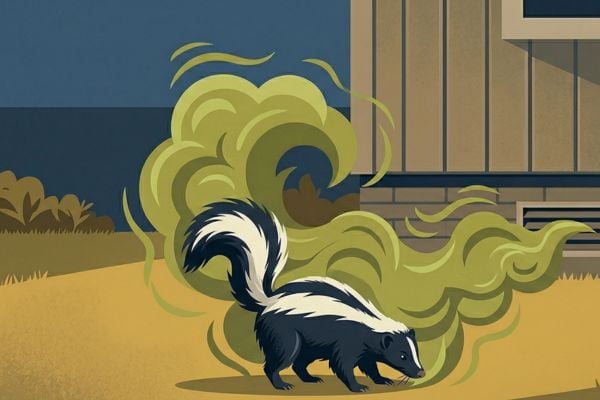
Strong, lingering odor
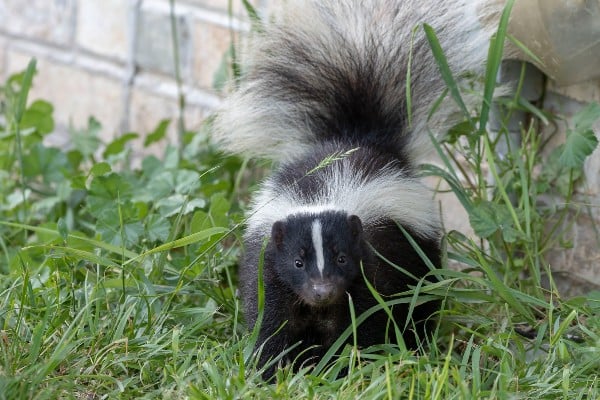
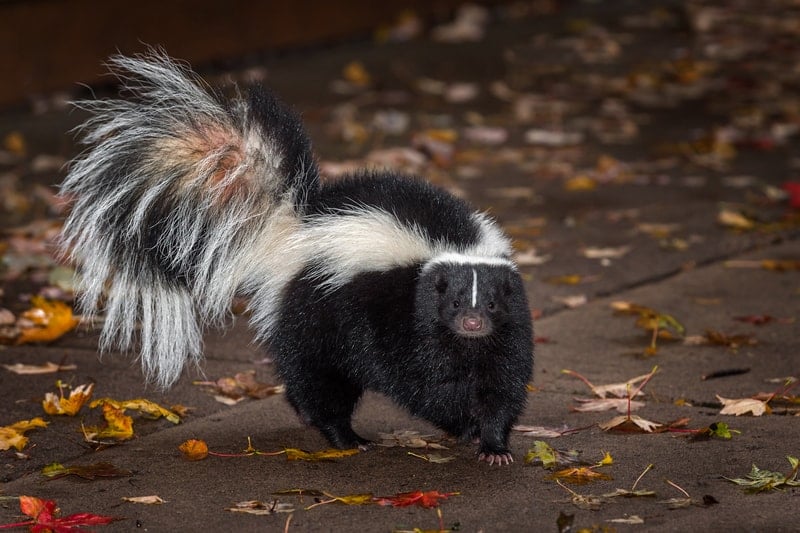
A musky, sulfur-like smell is one of the most obvious signs a skunk is nearby, even if you haven’t seen it.
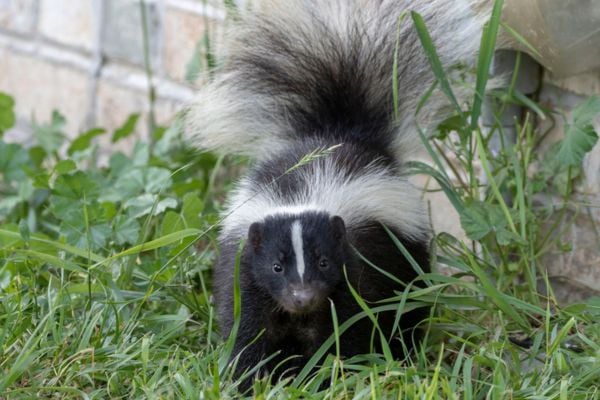
Skunks are known for their powerful defensive spray, which can leave a lingering odor that’s difficult to remove. They can dig up lawns in search of grubs, burrow under decks or sheds, and pose a risk to pets or anyone who gets too close. Beyond the smell, skunks can also carry diseases like rabies, making them a potential health concern.
Wildlife exclusion is a proactive, humane approach that helps keep skunks and other wildlife out of your home by identifying and sealing potential entry points. We use various pest-proofing products to seal these entry points, including our exclusive Flexi Armour products made from durable knitted stainless steel mesh. Exclusion helps prevent animals from entering and reduces the risk of future infestations.
Skunk traps can be used to humanely capture and relocate the animal. These live traps are carefully placed near active areas and baited to safely capture the skunk, allowing our trained professionals to transport and release it at an appropriate location.

Applied with care for the people and pets you love

Smart, targeted approaches designed with the environment in mind

Local technicians who understand your area’s unique pest challenges
A musky, sulfur-like smell is one of the most obvious signs a skunk is nearby, even if you haven’t seen it.
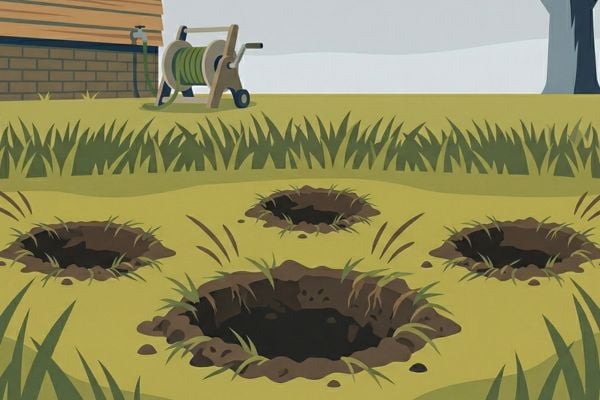
Small, cone-shaped holes in grass or soil from skunks digging for grubs and insects.
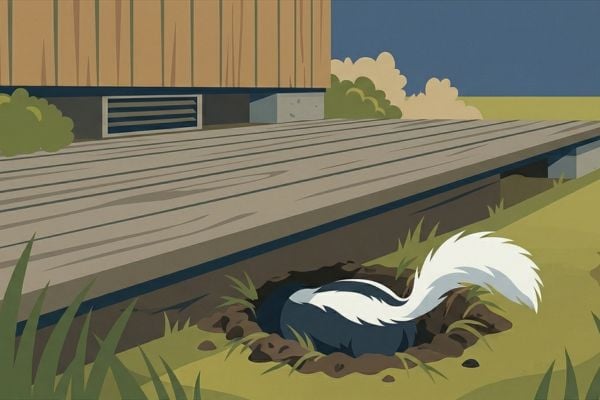
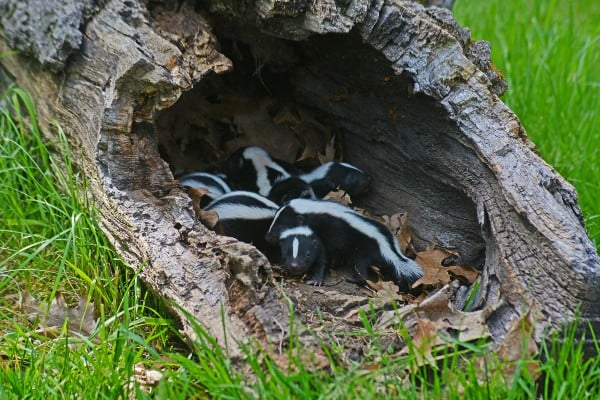
Skunks often nest under decks, porches, sheds, or crawl spaces.
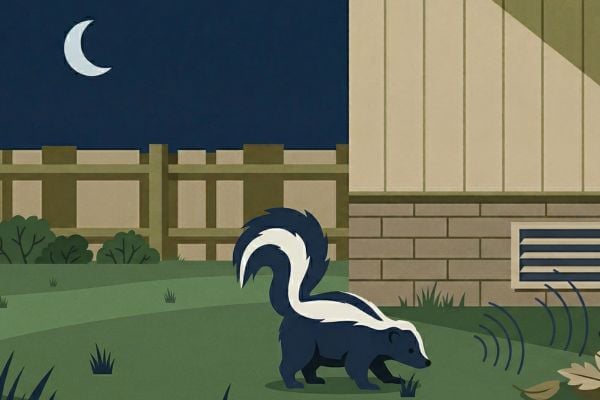
Skunks are most active at night, so sightings or noises after dark can be a key indicator.
Here’s what our customers have to say...
Lukfin, TX
My family is on the Terminix yearly subscription with quarterly sprays for the outside of our home. We had several issues with wasps, primarily, and thanks to our service technician, Stevie Ethridge we have had little to no issues with them. We’ve had to call Stevie out several different times for extra sprays and he’s always accommodated us to the best of his ability! Overall, we’ve been satisfied with Terminix.
2 weeks ago
Boise, ID
Great professional service. Found a big wasp nest and took care of it!
3 months ago
San Jose, CA
Matthias is a wonderful Terminex technician. He is great with general inspections & maintenance & has also gotten rid of the wasp nests in our backyard two years in a row. He is a pleasure to work with!
5 months ago
Marietta, GA
Ray came by when he said he would and did am exemplary job on not only removing wasps but finding them.
5 months ago
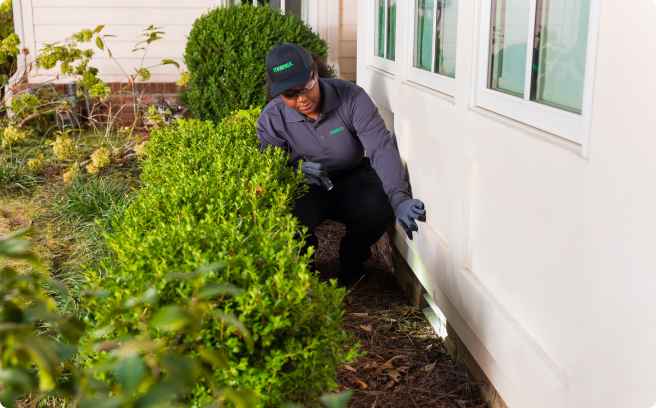
We’ll inspect your home for signs of skunks and potential risk factors that could make it vulnerable to them.
We'll also patch, seal, and secure your home's exterior using products like Flexi Armour® to ensure that all wildlife, including skunks, stay out.
We'll come back and re-inspect your home for wildlife each year as long as you keep your plan. We will check previously secured entry points and check for new vulnerabilities.
Skunk removal costs vary depending on the severity of the issue and what services are needed. In general, wildlife removal costs are influenced by factors such as access, level of activity, and whether exclusion or cleanup services are required. Our technicians will inspect your yard and property to determine the best solution and walk you through the recommended treatment plan and pricing before any services are performed.
Here are some tips to help with skunk prevention:
Skunk smell can last anywhere from a few days to several weeks, depending on how strong the spray was, how quickly it’s treated, and whether it soaked into surfaces. Outdoors, it usually lasts a few days. On pets or clothing, the smell can linger for weeks if not treated. Inside properties, it can last weeks or longer, if not cleaned thoroughly.
If you’re dealing with skunk spray, here are a few tips that can help remove the stench:
If you find a skunk in your home, stay calm and avoid startling it. Skunks may spray when they feel threatened. Keep a safe distance and move pets and children to another area. Open doors or windows to give the skunk an escape route and allow it to leave on its own, if possible. If the skunk doesn’t leave or is trapped, do not attempt to handle it yourself. Contact a professional skunk control or removal service to safely and humanely remove the animal.
Skunks don’t have a true “season,” but they are most active from late winter through fall. Activity usually picks up in late winter during mating season, peaks in spring as they search for food and den sites, and continues through summer and early fall as they forage. In colder winter months, skunks become less active and often stay in their dens for longer periods, though they don’t fully hibernate.