
Home Garden
Crawl space pest control tips
Content Updated: October 7, 2026
Key takeaways:
- Common crawl space pests can include rodents, termites, ants, cockroaches, spiders, and other insects that may use the space for shelter.
- Keeping pests out of a crawl space starts with sealing potential entry points and maintaining the area around your home’s foundation.
- Controlling excess moisture with measures such as vapor barriers, encapsulation, or appropriate ventilation can help make crawl spaces less attractive to pests.
- Signs of activity can include droppings, gnaw marks, nesting materials, damage, unusual odors, and scratching or scurrying sounds.
- Professional crawl space pest control can help identify pest activity, moisture issues, and potential entry points.
Jump to section:
- Understanding what kind of crawl space your home has
- What kinds of animals and bugs can live in my crawl space?
- Signs of pests in your crawl space
- How to get rid of an existing pest problem in your crawl space
- Crawl space pest prevention tips
- Moisture control tips for crawl spaces
- Schedule a crawl space inspection with Terminix
Crawl spaces can provide pests with a dark, sheltered place to nest, hide, and find their way into your home. Rodents, wildlife, termites, insects, and other pests may take advantage of small gaps or openings to get inside. Once inside, pests can damage insulation, wiring, ducts, and other parts of your home.
Keeping pests out starts with addressing the conditions that can attract them and the ways they can get inside. We’ll provide our expert advice on key pest prevention steps, including moisture control, exclusion, and more. If you’re dealing with pests in your crawl space, our crawl space pest control services can help identify the problem and prevent pests from returning.
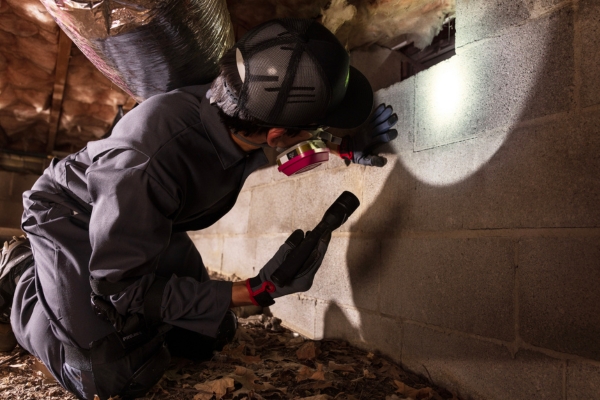
Understanding what kind of crawl space your home has
A crawl space is a shallow, enclosed area beneath a home that provides access to plumbing, electrical wiring, and HVAC ductwork. It typically has a dirt, gravel, or concrete floor and may extend beneath all or part of the home.
Crawl spaces help keep the home elevated and make maintenance easier, but they can also provide pests with shelter and access to your home. Common crawl space pests include mice, rats, wildlife, termites, and other insects, making crawl space pest control an important part of protecting your home.
What kinds of animals and bugs can live in my crawl space?
Crawl spaces are dark, warm, humid, and sheltered from the elements, making them an attractive place for a variety of pests to hide, nest, and find food. Some of the most common pests you may encounter in your home's crawl space include:
- Rodents (mice, rats, chipmunks, etc.)
- Ground-dwelling insects (millipedes, termites, etc.)
- Carpenter ants
- Cockroaches
- Crickets
- Spiders
- Beetles
- Flying insects (wasps, hornets, ground-dwelling bees, etc.)
New fear of dark and spooky crawl spaces unlocked... 😨🔦 - YouTube
Signs of pests in your crawl space
Pests may be hiding in your crawl space and be hard to see. Look for these common signs of activity:
- Droppings: Small piles or scattered droppings can indicate rodents or other pests.
- Gnaw marks: Chewed wood, insulation, wiring, or pipes may point to rodents or other animals.
- Nesting materials: Shredded insulation, paper, fabric, or other debris can indicate a nest.
- Damage: Holes, damaged insulation, or disturbed soil may signal pest activity.
- Live or dead pests: Seeing insects, rodents, or other animals is a clear sign that pests may be infesting the space.
- Unusual sounds: Scratching, scurrying, or squeaking from below your floors may indicate animals moving through the crawl space.
- Musty or unusual odors: Strong or unfamiliar smells may come from droppings, urine, nesting materials, or a dead animal.
How to get rid of an existing pest problem in your crawl space
Getting rid of pests in a crawl space starts with identifying which pest(s) are present and addressing the conditions that attracted them. Once you’ve determined those factors, you have a few options:
- Over-the-counter traps and sprays: Depending on the type of pest and its severity, homeowners may be able to use rodent traps or labeled insecticides for certain insects. Always follow product directions and keep traps and pesticides away from children and pets.
- Seal gaps: For rodents, seal gaps and openings where they may be getting inside, and remove accessible food sources.
- Reduce moisture: Reduce moisture where possible to help prevent moisture-loving pests. Reducing clutter can also help prevent hiding or breeding spots.
- Professional pest control: Larger or recurring infestations typically require professional crawl space pest control.
Terminix crawl space services can help identify the pest, locate potential entry points, and develop a treatment plan to address the existing problem and help prevent future activity.
Crawl space pest prevention tips
Because most homeowners don’t spend much time in their crawl space, pest problems can develop and spread before they realize there’s an issue. Taking preventive steps can help catch potential problems early and make your crawl space less attractive to pests.
Change your landscaping
Poorly maintained landscaping can provide pests with a place to hide and make it easier for them to get indoors. Keep grass, brush, leaves, mulch, firewood, and other organic debris away from your foundation. Trim shrubs and vegetation regularly, and avoid allowing plants to grow directly against the foundation. This can help prevent a variety of pests, including ants, centipedes, rodents, and termites.
Seal crawl space openings where pests may enter
Sealing potential entry points can help keep pests from getting into your crawl space and home. Mice, rats, and other small animals can fit through gaps as small as ¼” wide. Common entry points can include
- Gaps between the foundation and soil
- Gaps between the foundation walls and your home's floor
- Openings around pipes, wiring, and other utility lines
Small gaps may be sealed with caulk or spray foam, while larger openings may require professional repairs. It’s not recommended to seal foundation ventilation openings without consulting a professional. Proper ventilation or other moisture-control measures may be needed to prevent moisture buildup in your crawl space.
Moisture control tips for crawl spaces
Excess moisture can make a crawl space more attractive to many pests and contribute to other problems, including mold and wood damage. Controlling moisture can help create a less favorable environment for pests.
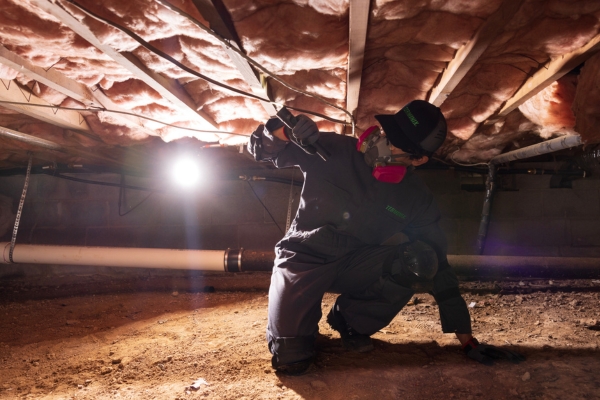
Spread a crawl space vapor barrier
A vapor barrier can help reduce moisture that moves from bare soil into your crawl space. It typically consists of plastic sheeting installed over the soil floor and can be especially useful in crawl spaces with exposed earth. Proper installation is important to help prevent gaps, tears, and other issues, so it’s best to have a professional install your vapor barrier.
Use crawl space encapsulation
Crawl space encapsulation helps create a controlled environment by sealing the crawl space from outside moisture and air. Depending on your home's needs, encapsulation may include reinforced liners, drainage improvements, and a dehumidifier.
Any existing moisture, drainage, or mold issues should be addressed before encapsulation. Because crawl spaces vary from home to home, professional evaluation and installation are recommended.
Install ventilators
Proper ventilation can help manage humidity in some crawl spaces, but the best approach depends on your home's design and local conditions. Excess moisture can contribute to problems involving termites, beetles, ants, mold, and other pests.
Professional crawl space ventilation can help improve airflow and manage humidity when ventilation is appropriate for the space. A professional can determine whether additional ventilation or another moisture-control solution is the better option.
Schedule a crawl space inspection with Terminix
Terminix offers free crawl space inspections and can help identify crawl space issues related to rodents, insects, and other pests. During this inspection, our experts can help identify signs of pests, determine if there are any moisture issues, and locate potential entry points. Depending on your home’s needs, service recommendations may include crawl space encapsulation, vapor barriers, and other crawl space pest control solutions.


