DIY
What you should know about DIY spider traps
Content Updated: July 17, 2026
Key takeaways
- Most spider traps are passive and rely on pests wandering into them, making them effective for monitoring rather than complete elimination.
- Homemade sprays and DIY spider traps built from natural essential oils act only as temporary repellents, forcing spiders to simply relocate elsewhere in your home.
- To maximize effectiveness, homemade spider traps must be placed along runways, baseboards, and dark corners where spider activity is highest.
- Traps do not address what attracts spiders in the house or how they enter, meaning professional spider control is required for long-term protection.
Jump to section:
Catch-and-release spider traps
Overall effectiveness of indoor spider traps
Can I lure spiders out of hiding?
Preventing future spider problems
Spider traps are designed to catch spiders without requiring direct engagement. The way they work can vary depending on the type of trap you are using. There are different types of indoor spider traps on the market, such as glue traps, bait traps, and light traps. While these can be a quick solution, you may still need professional spider control down the line. For now, take a look at each type of spider trap and determine which option is best for your home.
Homemade spider traps
Many homeowners turn to DIY solutions for a quick fix, but that doesn't mean they are effective. A common method for homemade spider traps involves utilizing strong, natural repellents. Typically, substances like vinegar, peppermint, basil, or eucalyptus are diluted with water in spray bottles or applied to cotton balls to create a spider repellent. It is generally recommended to place these treated cotton balls or spray the mixtures around areas known for high spider activity, such as:
- Dark corners of basements and crawlspaces
- Behind large appliances and heavy furniture
- Along windowsills, doorways, and floorboards
While these scented barriers may initially deter pests, their longevity is extremely limited. Homemade essential oil solutions usually lose potency within a few days to a week, requiring frequent reapplication.
The reality is that spiders are resilient creatures; while they may occasionally avoid an area treated with strong smells, they will not leave your home. Instead, they will just relocate to a brand-new, untreated spot within your walls, rendering DIY spider traps highly unreliable.
Glue and sticky traps
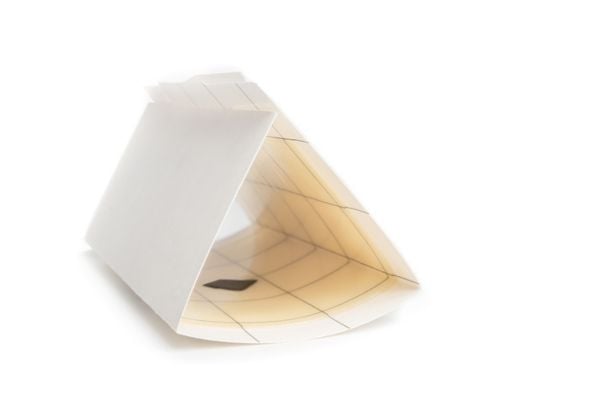
Spider sticky traps, or glue traps, work by capturing spiders as they walk over the sticky surface, preventing them from escaping. These indoor spider traps are coated with a strong adhesive that prevents almost any insect from moving once it steps on them. To maximize their success, these traps should be placed flat against vertical surfaces in high-traffic areas, such as:
- Along baseboards in dark hallways
- Behind toilets and underneath sinks
- In the corners of garages, closets, and attics
- Near external entry doors and utility pipes
Beyond simply catching pests, sticky traps are highly effective at detecting the signs of spiders in homes. By monitoring which side of the glue trap a spider enters from, you can trace their pathways back to find exactly where they are entering or nesting.
As for their effectiveness, they can be quite efficient for trapping smaller insects, especially in areas where they are known to frequent. Their effectiveness will diminish over time (usually within 30 to 60 days) as dust, pet hair, and airborne debris accumulate on the trap’s surface, reducing its stickiness.
Electronic and light traps
Electronic and light traps are commonly used to control flying insects like mosquitoes and flies, utilizing the attraction these pests have to light sources to lure them in. These traps usually operate by emitting ultraviolet (UV) light that attracts insects, either trapping them mechanically on an internal sticky card or electrocuting them via an electric grid. These devices are typically placed in centralized, open locations, such as wall outlets near entryways, kitchens, or enclosed patios where flying bugs congregate.
However, when it comes to serving as an effective spider trap, electronic and light units are ineffective control methods. Spiders, unlike many insects, are not attracted to light in the same manner, and many nocturnal spider species actively avoid it. They tend to rely on other hunting techniques, such as creating webs in dark, strategic locations to capture prey rather than visual attraction to light. However, these traps can help control food sources like flying insects, which can lower the number of spiders attracted to a home.
Catch-and-release spider traps
For homeowners who prefer a humane approach, catch-and-release tools offer a way to remove individual spiders without harming them or getting too close. Some options for this method include:
- Cup and paper method: Inverting a simple drinking glass over the spider and sliding a stiff piece of cardboard underneath.
- Catch-and-release traps: Specially manufactured plastic boxes with a sliding trapdoor mechanism triggered by a handle.
- Spider claw grabbers: Long-handled mechanical wands featuring soft bristles or a gentle enclosure at the tip that safely holds the spider from a comfortable distance.
These spider traps work by physically confining the spider, so you can carry it outdoors and release it far from your home. The primary benefit of this method is that it is completely humane, avoiding the use of chemical agents or lethal adhesives. However, it is strictly a reactive, one-by-one solution. Catch-and-release methods require you to visually spot the spider first, making them entirely ineffective for hidden populations or managing an active infestation.
Overall effectiveness of indoor spider traps
Although spider traps can provide an easy and quick solution for catching spiders, the relief is only temporary. Spider traps do not address the underlying causes of the infestation, such as the presence of other insects in the home that may serve as food for spiders, or entry points that allow them to come inside. The success of a spider trap also heavily depends on the behavior of specific spiders.
- Prone to traps: Ground-dwelling, active hunters like wolf spiders and house spiders are highly susceptible to floor-level indoor spider traps because they constantly travel along baseboards in search of prey.
- Not prone to traps: Web-building species, such as cobweb spiders or cellar spiders, spend almost all of their time elevated in webs near ceilings or upper corners. They rarely wander across the floor, making passive ground traps completely ineffective against them.
Indoor spider traps are generally passive devices that rely on spiders walking over them by chance. Because of this, they are unlikely to capture the entire spider population in a home, especially those that are well hidden.
For long-term control of spider populations, it's best to hire a professional pest control service. Your local Terminix technician can identify the specific types of spiders in your home and employ a range of strategies to manage the infestation.
Can I lure spiders out of hiding?
Spiders are highly predatory, cautious hunters; they are primarily motivated by the erratic, live movements of prey caught in their webs or immediate path. They are not attracted to dead bait or chemical food lures like ants or cockroaches are. Because you cannot reliably lure spiders out of their deep structural hiding spots, these attempts to attract spiders are not effective. Relying on localized traps will not solve a broader household infestation.
Some homeowners may use active luring techniques to draw spiders out of hiding places, such as simulating the vibrations of a trapped insect or placing dead insects or sugary substances on a spider trap. Unfortunately, a major drawback to using a passive spider trap is that you must wait for the pest to find it.
Preventing future spider problems
Spotting a spider in your home is usually an inevitable occurrence, but that doesn't mean they have to stay. Sealing entry points, eliminating food sources, and removing clutter and debris are all great ways to keep spiders out of your home. However, when these spider populations get out of hand, DIY or homemade spider traps won’t do the trick. It’s time to call in the professionals at Terminix for backup. Our technicians know where spiders hide and have the tools to help eliminate them.
Start protecting yourself from spiders today with Terminix. With our PestFree365 or PestFree365+ plan, you can protect your home from common spiders along with up to 39 other common household pests.1
1 Covered Pests defined in your Plan. Automatic payment sign up is required for PestFree365+. Voles and fire ants are only covered if they are in the home, we will not treat the lawn. Homes must be free of bed bugs at the initial service to qualify for coverage of bed bugs under the PestFree365+ Plan. Applies to single family, free-standing, owner-occupied homes only. Account must be in good standing. Other limitations may apply. See Plan for details.