
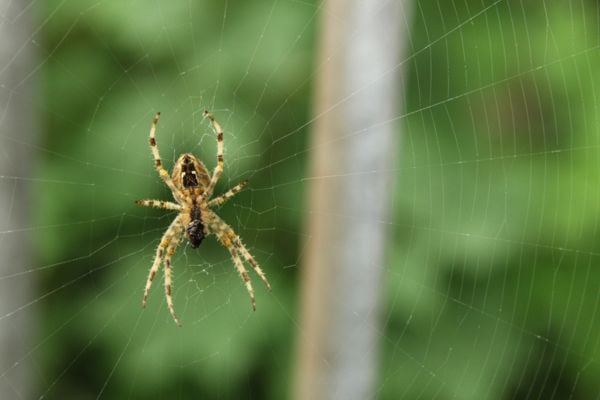
When spider activity peaks throughout the year
Content updated: June 27th, 2026
Key takeaways
- Spider season generally occurs from late summer into early fall, when many spider species reach maturity.
- Increased spider activity during this time is largely driven by spiders searching for mates.
- Summer also brings more prey, which contributes to higher levels of spider activity.
- As temperatures cool, spiders become less visible outdoors and may seek shelter.
- Tips for preparing for spider season include reducing clutter, vacuuming regularly, and sealing cracks and crevices.
Jump to section:
The lifecycle of spiders and the seasons
Spider activity throughout different seasons
Preparing yourself for spider season
Spider season typically begins as summer transitions into fall, when many spider species reach maturity and become more noticeable. During this period of increased spider activity, mature spiders emerge in search of mates, leading to more frequent sightings around homes and gardens. Learn when spider season occurs, why spiders in fall are more visible, and how to prepare your home for peak spider activity.
As the seasons change, certain times of the year highlight the activities of its many creatures, with spiders being no exception. Often misunderstood and sometimes feared, spiders play a critical role in our ecosystems, particularly during the months when they are most active. This period, commonly called “spider season,” brings about a buzz of activity that reflects the balance of our natural environment. So, when is spider season? Learn about the most active seasons for spiders and the importance of these arachnids in our ecosystem.
The lifecycle of spiders and the seasons
Typically, the season for spiders commences as the warmth of summer blends into the cooler autumn, marking a period of heightened spider activity. This timing is not coincidental but rather closely linked to their breeding cycle. As various species reach maturity towards the latter part of summer and enter into fall, spiders become more prevalent, not because their numbers suddenly increase but because mature spiders are seeking partners to mate with. This search for mating opportunities brings them out into the open, making their presence more noticeable to humans. Spiders are the 'worst' or most noticeable during this peak activity period in late summer to early autumn.
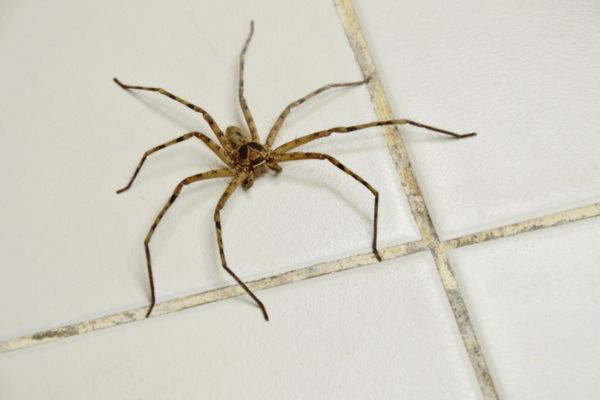
Spider activity throughout different seasons
Spider activity notably fluctuates across different seasons, largely driven by mating behaviors, availability of prey, and environmental conditions. During the summer, insects are more prevalent, causing an increase in spider activity as these are their primary food source. This surge is not just about the availability of food; it's also the prime time for mating, which further increases their visibility and activities around our homes and gardens. The most active months for spider season, therefore, tend to align with the warmer months, when their ecosystem thrives with life. However, as the seasons transition into cooler months, spiders tend to become less visible. This shift is not necessarily an indication that they have "gone away" but rather that they are less active outdoors and may seek shelter to survive the colder months.
Preparing yourself for spider season
As spider season begins, it’s crucial to engage with prevention strategies early on. Eliminating clutter, regularly vacuuming and dusting, and sealing cracks and crevices can help prevent these pests from taking up residence in your home. By incorporating these proactive measures and scheduling regular spider control, you create a less inviting environment for spiders, ensuring peace of mind throughout all seasons.
So, if you’re wondering, “Is it spider season?” Dont stress. Spiders are covered under our annual pest control plans, PestFree365 and PestFree365+.1 The Terminix spider control experts have your back.
1Service frequency will vary based on geography. Covered Pests defined in your Plan. Automatic payment sign up is required for PestFree365+. Voles and fire ants are only covered if they are in the home, we will not treat the lawn. Homes must be free of bed bugs at the initial service to qualify for coverage of bed bugs under the PestFree365+ Plan. Applies to single family, free-standing, owner-occupied homes only. Account must be in good standing. Other limitations may apply. See Plan for details