Spiders
How do spiders get into your house?
Content Updated: June 26th, 2026
Key takeaways
- Spiders typically enter homes through small openings such as cracks, gaps around doors, damaged screens, and other entry points.
- Most spiders come inside in search of food, shelter, or mates, which can lead to increased activity during late summer and early fall.
- Spiders can travel surprisingly far using behaviors like ballooning and silk trailing. Once they’re inside, they can move throughout the home in search of food and suitable hiding places.
- Prevention focuses on reducing access and attractants by sealing entry points, repairing screens, managing moisture, reducing clutter, and controlling the insects that spiders feed on.
Jump to section:
Why are spiders entering your home?
How to find out how spiders are getting into your home
How can I keep spiders out of my house?
Spiders can be a common sight in many homes, especially during certain times of the year. Luckily, most spiders are harmless and can even help control other pests. If you’re finding spiders indoors, they may be entering through small cracks, gaps around doors and windows, damaged screens, or other small openings around the home.
If you've ever wondered, "How do spiders get in the house?" the answer is often simple: they follow food sources, seek shelter, or accidentally wander indoors through accessible entry points. If you’re noticing many spiders or webs, our spider control services can help determine what’s attracting these pests to your home and how to get rid of them.
Why are spiders entering your home?
Where do spiders come from, and why are they in your home? They may enter on their own if they’re looking for:
- Food (insects and other pests)
- Shelter from cold or dry outdoor conditions
- Mates, especially during their active season
As they search for these attractants, you may see an increase in spider activity indoors around late summer and early fall (August–October). However, in warm or cluttered homes, they may be active year-round.
Where do spiders come from?
How do spiders get in the house? Spiders can enter your home in several common ways:
- Through cracks and gaps around doors, windows, siding, vents, or plumbing
- Through damaged or poorly sealed screens on windows, doors, or attic vents
- Through open entry points such as garage doors, pet doors, or frequently opened doors and windows
- By hitchhiking on boxes, firewood, plants, outdoor furniture, toys, or other items brought indoors
- By following insects and other prey that are already inside the home
Spiders are also surprisingly effective travelers. Some species use a behavior called ballooning, where they release silk that catches the wind and carries them to new locations. Others use silk trailing to move between surfaces and explore new areas. Once inside, spiders can easily migrate throughout the home.
How to find out how spiders are getting into your home
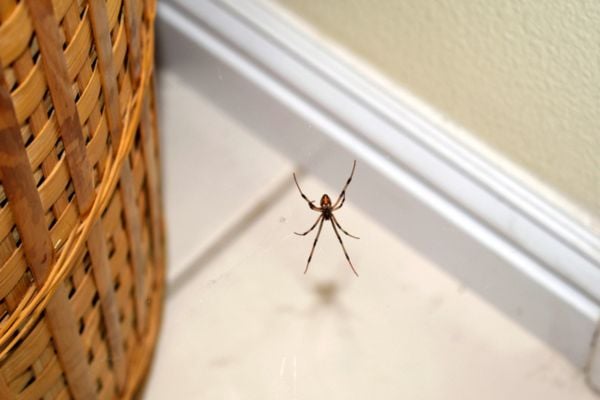
If you're seeing spiders indoors, start by looking for webs in corners, around windows and doors, near vents, and in less-disturbed areas such as basements, garages, and attics. Webs can help indicate where spiders are active and may point to nearby entry points.
Sticky traps can also help monitor spider activity. Place them along baseboards, near doorways, and in areas where spiders are frequently seen. You should also inspect your home's exterior for cracks, gaps, damaged screens, and other openings that spiders may be using to get inside.
How can I keep spiders out of my house?
Now that you understand more about where spiders come from, it’s time to take steps to help reduce their populations indoors:
- Seal entry points: Use caulk to close cracks and gaps around windows, doors, pipes, vents, and the foundation
- Repair screens: Fix or replace damaged window, door, and vent screens
- Install door sweeps and weather stripping: These can help eliminate gaps around doors and windows
- Reduce clutter: Keep storage areas organized and remove piles of wood, leaves, cardboard, and other debris where spiders may hide
- Manage moisture: Fix leaks, improve ventilation, and reduce excess humidity in basements, crawl spaces, bathrooms, and other damp areas
- Maintain your yard: Trim vegetation away from the home, keep shrubs and tree branches from touching the structure, and remove outdoor harborage sites
- Limit outdoor lighting: Exterior lights can attract insects, which in turn attract spiders. Consider using yellow bulbs or motion-activated lighting
- Inspect items before bringing them inside: Check boxes, plants, firewood, and outdoor furniture for spiders and egg sacs
- Vacuum regularly: Remove webs, egg sacs, and spiders from corners, ceilings, and behind furniture
Even with preventive measures, spiders may still find their way indoors. Terminix spider control services can help identify areas of activity, address infestations, and implement targeted treatments to help reduce spider populations and the insects they feed on.