Giant huntsman spider
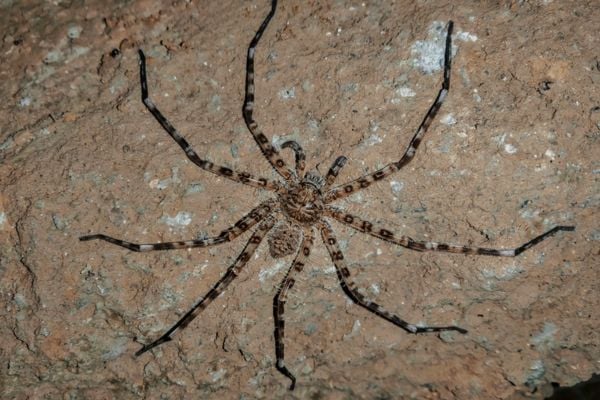
The giant huntsman spider holds the record for the longest leg span of any spider, measuring up to 12 inches across. While its size and speed can be startling, its venom poses no serious threat to humans.
Content updated: July 8, 2026
What is the deadliest spider in the world?
The most venomous spiders in the U.S. and abroad
Creepy – but not deadly – spiders in the U.S.
What should I do if I encounter a venomous spider?
What to do if you have a venomous spider bite
How can I prevent venomous spiders from getting into my home?
Most spiders aren't dangerous to people, but a few venomous spiders can cause bites that may need medical attention. Some of the best-known examples are black widows, brown recluses, Brazilian wandering spiders, and Sydney funnel-web spiders. While you might hear people call them 'poisonous,' spiders are actually venomous, which means they deliver toxins through a bite. Since many spiders can look alike, knowing how to identify them can help you decide when professional spider control may be necessary.
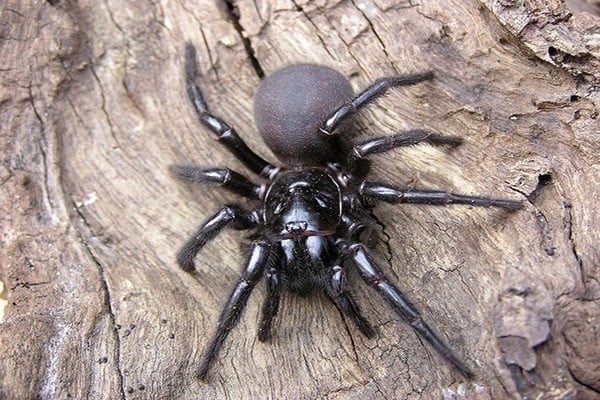
The Sydney funnel-web spider (Atrax robustus) is considered the world's most dangerous spider because its venom is extremely potent and can act quickly. Its venom has one of the lowest LD50 values among spiders, meaning it is highly toxic. According to the National Library of Medicine, before a dedicated antivenom was developed in 1981, the Sydney funnel-web spider had a high mortality rate, with the worst-case bites from aggressive males capable of causing death in as little as 15 minutes.
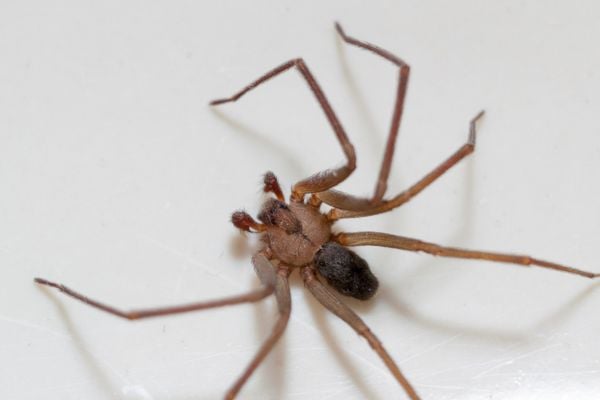
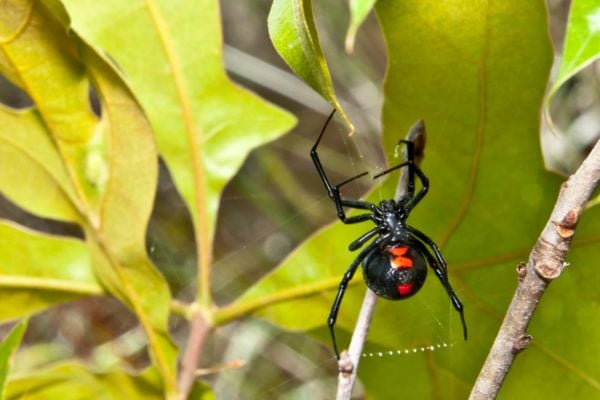
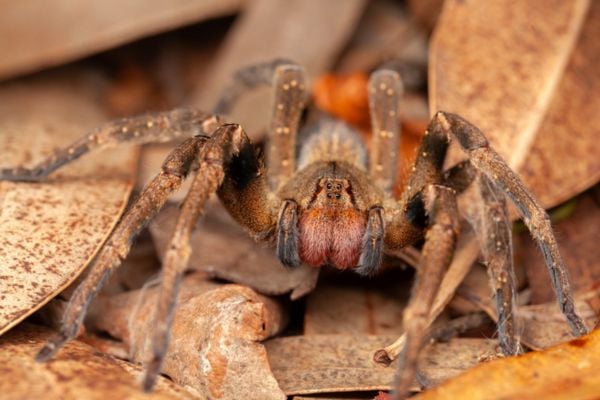
Knowing how to identify venomous spiders, understanding where they live, and how dangerous they can be can help keep you safe. Common venomous spider species in the U.S. include the brown recluse and black widow, while the Brazilian wandering spider is common in Central and South America.
Nearly all spiders are technically venomous, using their venom to subdue prey, but for the vast majority, their venom poses little to no threat to humans. Most spider fangs are either too small to break human skin, or their venom is too weak to affect us.
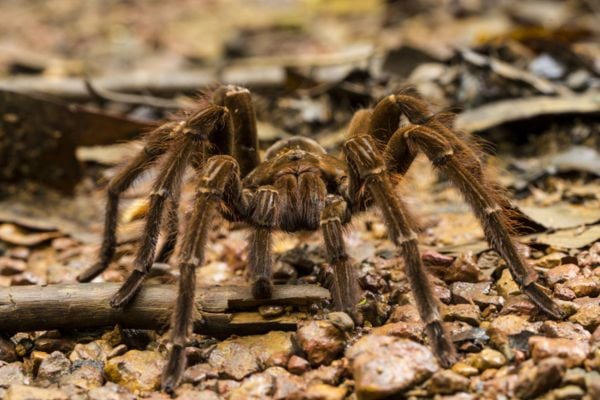
The giant huntsman spider holds the record for the longest leg span of any spider, measuring up to 12 inches across. While its size and speed can be startling, its venom poses no serious threat to humans.
This is the largest spider in the world by weight, with a leg span that can reach up to 11 inches. On average, they weigh six ounces, which is around the same weight as a baseball or a large apple. Despite its intimidating name, its venom is not considered dangerous to humans.
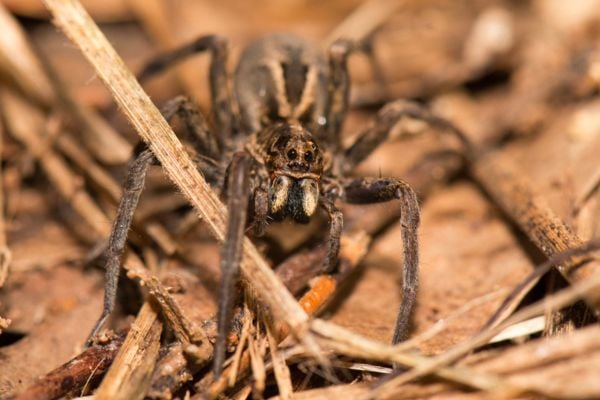
These fast-moving hunters use venom to subdue prey, but their bites rarely cause serious harm to people; usually, they cause only mild irritation or swelling.
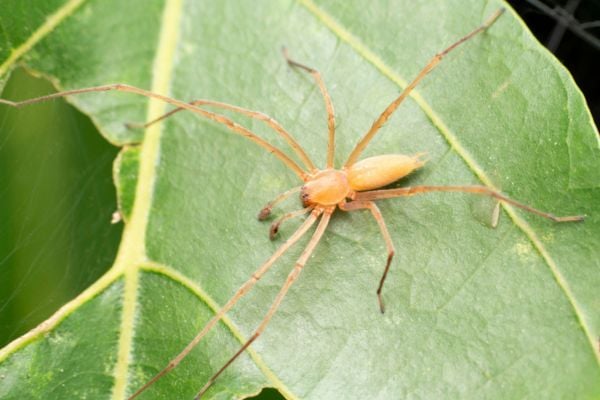
Sac spiders are small nocturnal hunters whose venom can cause mild skin irritation or small sores, but severe reactions are uncommon.
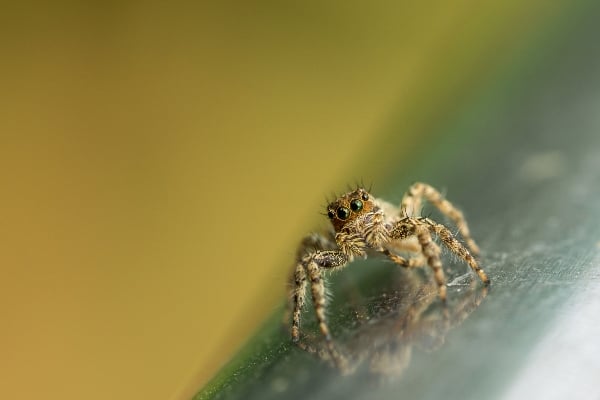
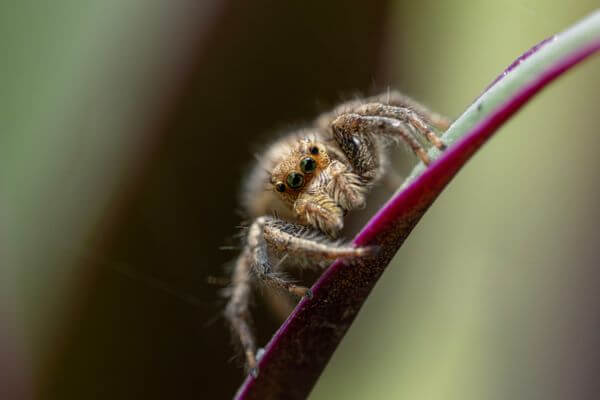
Known for their excellent vision and jumping ability, they have venom to immobilize insects. Their bites are rare and usually cause only slight discomfort.
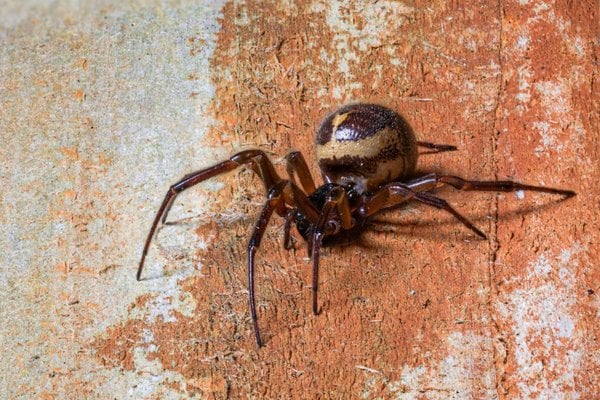
False widow spiders are often mistaken for black widows because both are dark-colored and shiny, but false widows lack the distinctive red hourglass marking. Bites are uncommon and typically mild.
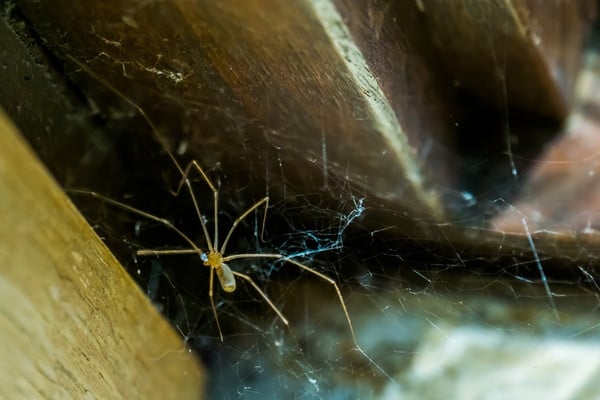
Cellar spiders, also known as daddy long-leg spiders, are commonly found in basements, garages, and ceiling corners. Despite their spindly appearance, they are harmless to people and do not cause medically significant bites.
If you encounter a venomous spider, there are a few steps you can take to help protect yourself, your pets, and your family.
A suspected venomous spider bite should be evaluated by a medical professional as soon as possible. In the meantime, there are steps you can take to help, including:
Depending on the severity of symptoms, treatment may include pain management, wound care, and, in some cases, antivenom.
Securing your home requires eliminating entry points and reducing the habitats that attract arachnids and their insect prey. To help keep spiders out of your house, follow these simple tips:
Professional spider control is the most effective way to address infestations and protect your home. With year-round coverage under our PestFree365+ plan, your home is continuously shielded from the most dangerous spider threats, including brown recluses and black widows. 1