Garden spider: identification and facts
Content updated: June 18, 2026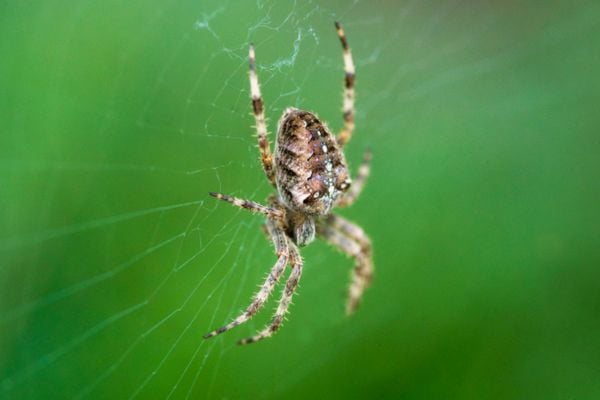
Key takeaways
- Garden spiders are orb-weavers that build large, wheel-shaped webs in gardens, fields, wooded areas, and other vegetated locations.
- Female garden spiders are much larger than males and can reach up to one inch in body length with a leg span of up to three inches.
- Common garden spider types include the European garden spider, the yellow garden spider, and the sheet weaver.
- Garden spiders are not dangerous to humans, and their venom is considered harmless to people.
- Garden spiders help control insect populations and serve as an important part of the food chain.
Jump to section:
What do garden spiders look like?
Identifying common garden spider species
The importance of garden spiders
Preventing garden spiders in your house
Garden spiders are a group of orb-weaving spiders commonly found in gardens, fields, and other vegetated areas. If you've ever wondered what a garden spider looks like or how big a garden spider can get, their bold markings and impressive size make them easy to recognize. Learn about common garden spider types, their life cycle, and whether garden spiders are dangerous to people.
What do garden spiders look like?
Garden spiders are known for their bold patterns and impressive size. Other common characteristics of these spiders include:
- Body size: Female garden spiders are larger than males. Females typically measure between three-quarters of an inch to one inch long. Males are much smaller, typically around a quarter of an inch to ⅜” long.
- Legspan: A female garden spider's leg span can range from about two to three inches. Male garden spiders have an average leg span of about one to one and a half inches long.
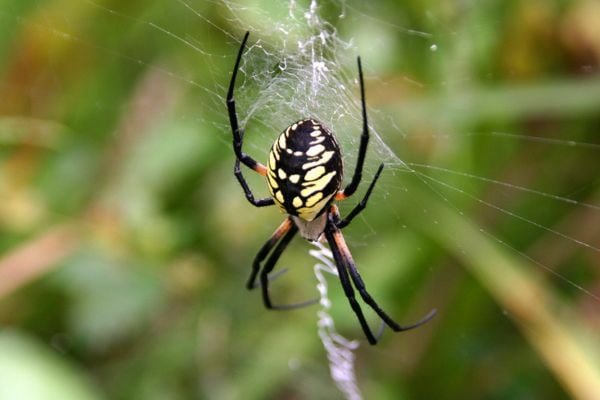
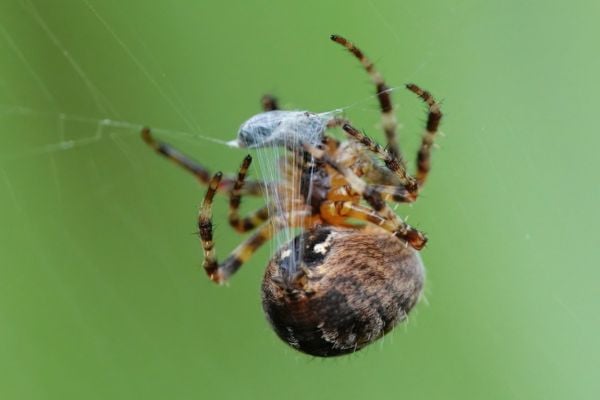
- Color: The garden spider’s color varies, but they are primarily black with bright yellow or orange markings on their abdomen. Their legs are long and slender, with alternating bands of black and orange or yellow.

Identifying common garden spider species
Garden spiders can be found in various outdoor environments, each with unique characteristics and web-building techniques. Here are a few common types:
European garden spider (Black garden spider):
Also known as the cross orb-weaver, this spider is easily identifiable by the white cross pattern on its back. It has a rounded abdomen with a color range from light brown to almost black. These spiders are commonly found in gardens and wooded areas across Europe and North America.
Yellow garden spider:
This black and yellow spider can be recognized by its striking markings. The yellow garden spider has a long, slender body and is known for weaving large, circular webs. These spiders can commonly be found in gardens, meadows, and fields, where they can catch insects like flies and moths.
Sheet weaver:
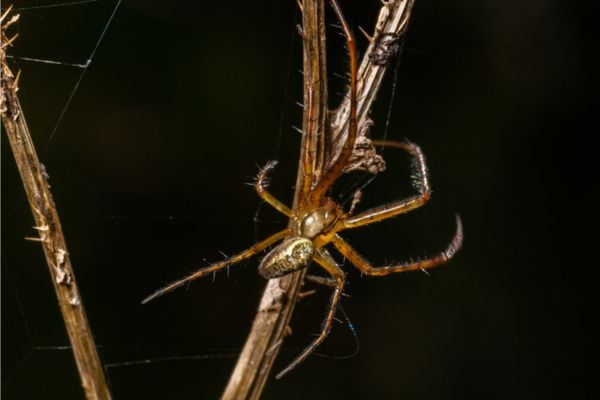
Unlike the orb-weavers, sheet weavers create flat, horizontal webs close to the ground. These small spiders are usually brown or gray and are often found in dense vegetation or gardens. They get their name from the sheet-like webs they spin to catch prey.
Are garden spiders dangerous?
Garden spiders are not dangerous to humans. While they may look intimidating due to their size and vibrant colors, they are not aggressive and prefer to avoid confrontation. These spiders are usually found outdoors from late spring to early fall.
Garden spiders may bite if threatened, but their venom is harmless to people. If you encounter one, it's best to leave it undisturbed, as they can help control garden pests.
Life cycle of garden spider
The life cycle of a garden spider typically has three stages: egg, spiderling, and adult.
- Egg: The life cycle begins with the female laying eggs, typically in late summer or early fall. The eggs remain dormant throughout the winter and hatch in the spring.
- Spiderling: Once hatched, the spiderlings disperse by "ballooning." Ballooning occurs when they release silk threads that catch the wind and carry them to new locations. As they grow, they undergo several molts.
- Adult: By late summer, the spiderlings have matured into adult garden spiders, ready to reproduce. The cycle repeats as females lay their eggs, and the adults die off as colder weather approaches.
The importance of garden spiders
Garden spiders play a crucial role in our ecosystem by controlling insect populations, which helps reduce the number of pest insects around gardens and homes. On the other hand, they also serve as prey for various animals, including birds and other spiders, contributing to the food chain and maintaining ecological balance.
Preventing garden spiders in your house
Pest control is generally unnecessary for garden spiders, as they are beneficial insects that can help control pest populations. However, you’ll want to call a professional for spider control if you suspect an infestation, a dangerous species is present, or you’re having persistent issues with spiders in or around your home.
Terminix offers ongoing pest control plans that can help protect you and your family from many common household pests, including spiders. Our PestFree365 plan offers protection from 25 common pests, while our PestFree365+ plan offers protection against 14 additional pests, including the brown recluse and black widow spider.
1Coverage includes: "House" Ants, Bird Mites, Indoor Ticks, Cockroaches, Carpet Beetles, Fabric Moths, Overwintering Insects, Ground Beetles, Centipedes, Crickets, Earwigs, Firebrats, Millipedes, Clover Mites, Pillbugs/Sowbugs, Psocids, Scorpions, Silverfish, Paper Wasps, Springtails, Spiders, Stored Product Beetles, Stored Product Moths, Mice, and Rats.
2Coverage includes: Black Widow Spiders, Brown Recluse Spiders, Voles (interior only), Bed Bugs, Fleas (interior only), Bumble Bees, Carpenter Bees, Solitary Ground Bees, Yellowjackets, Hornets, Baldfaced Hornets, Crazy Ants, Carpenter Ants, and Fire Ants.