Gnats identification and control
Content updated: April 21, 2026
Key takeaways
- Gnats are tiny flying insects that thrive in damp, organic environments, such as overwatered houseplants, drains, trash bins, and standing water.
- If you’re wondering where gnats come from, they often enter through open windows, hitch a ride on plants or produce, or develop in moist soil and clogged drains.
- Most gnats live about seven to ten days, but their rapid life cycle allows populations to grow quickly in favorable conditions.
- Identifying whether you’re dealing with fungus gnats, drain flies, midges, or sand flies is key to choosing the right treatment method.
- To get rid of gnats, eliminate breeding sites such as overwatered plant soil, clogged drains, standing water, and food waste, and use traps to reduce adult populations.
Jump to section:
Few pests are as frustrating as gnats in house settings. These tiny flies seem to appear out of nowhere, hovering around food, drains, and even your face. If you’ve ever wondered where gnats come from or why they multiply so quickly, the answer usually lies in hidden moisture, organic buildup, or overwatered plants. While they may seem harmless, some species can bite or spread bacteria, making them more than just a nuisance. Understanding their behavior is the first step in learning how to get rid of gnats and prevent them from returning.
What are gnats?
Gnats are small flies that belong to the same insect group as mosquitoes, midges, and crane flies. While they are often confused with fruit flies or other tiny insects, they have distinct characteristics that set them apart. Identifying which type of gnat you're dealing with is the first step in knowing how to kill gnats and prevent future infestations.
There are biting and non-biting gnats. Here are the key distinctions between the two groups:
Biting gnats: Some gnats, such as sand flies and black gnats, have piercing mouthparts and feed on blood. Their bites can cause itching, redness, and swelling.
Non-biting gnats: Fungus gnats, drain flies, and midges do not bite but can be a major nuisance in homes, especially when they gather in large numbers.
There are also different types of gnats. Some of the more common types include:
Fungus gnats: Found near overwatered houseplants, these small black gnats lay their eggs in moist soil.
Drain flies: These tiny, fuzzy insects breed in the organic buildup inside sink drains.
Midges: Resembling mosquitoes, midges swarm near lakes, ponds, and other standing water sources.
Sand flies: Tiny, biting flies that thrive in tropical regions and can leave painful, itchy welts.
Black gnats: A general term for dark-colored gnats, including phorid flies and fungus gnats.
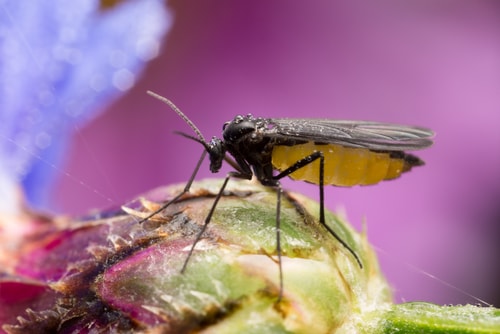
Fungus gnats
Fungus gnats are a common indoor pest, especially in homes with overwatered houseplants. These tiny, dark-colored flies thrive in moist soil, where they lay eggs that hatch into larvae. The larvae feed on fungi, algae, and plant roots, sometimes damaging young plants.
They often enter homes through open windows or by hitching a ride on potted plants. Since they reproduce quickly, infestations can escalate fast. To eliminate fungus gnats, let the soil dry out between waterings, replace the top layer of soil, add fine sand on top of soil as this will prevent future Fungus gnats from laying eggs in the soil, and use sticky traps to catch adults before they lay eggs.
Drain flies
Sometimes known as the moth fly, these insects are small, less than one-fourth of an inch in length, with a hairy body and wings that give them a ‟furry” appearance. The adults have long antennae and broad wings that are shaped like a leaf. They are usually found in bathrooms, kitchens, and other damp environments, and getting rid of drain flies usually requires eliminating standing water. Appropriately named, these flies lay their eggs inside sink drains. Once the eggs hatch, the larvae feed on bacteria inside the pipes where organic matter, such as hair, tends to collect.
Midges
These flying insects closely resemble mosquitoes. However, they have a much shorter snout, and the wings are feathered on the females and bushy on the males. They are soft-bodied and range in length from one-thirty second of an inch to one inch. They tend to congregate in large swarms near ponds, lakes, or slow-moving streams. Midges are attracted to light and are often found around porch lights or streetlights. The swarms can be so large that they can be a traffic hazard.
Sand flies
Sand flies are golden, brown, or gray, depending on the species. They are very small flying insects — only about one-sixteenth of an inch in length — but don't let their small size fool you. These flies possess a painful bite that feels more like a sting. Their bite can cause redness and swelling in the affected area. Sand flies are native to tropical or subtropical regions of the world. Females have piercing mouthparts and feed on the blood of mammals. There are six species found in the United States, none of which are known to carry disease. In other parts of the world, however, they have been known to transmit a virus known as sandfly fever. This virus is similar to dengue (break-bone fever) but is very rarely fatal.
Black gnats
Although there is no insect that is actually classified as a black gnat, many people may use this term to describe a variety of flying insects. Phorid flies, black flies, and fungus gnats are just a few of the black or dark-colored flies that could be misidentified in this way.
Fruit flies vs. gnats
Although fruit flies and gnats are often mistaken for each other, they have distinct differences in appearance, behavior, and breeding habits.
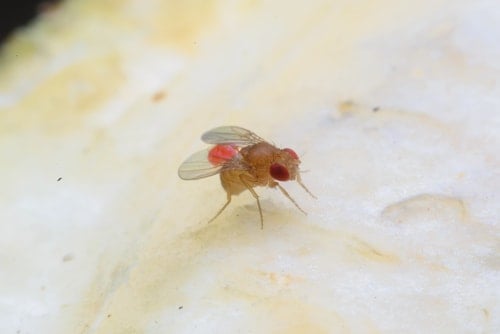
Appearance: Fruit flies are slightly larger, with round bodies, reddish-brown coloring, and bright red eyes. Gnats are smaller, darker, and have long legs, giving them a more delicate look.
Behavior: Fruit flies linger near food sources like overripe fruit, sugary spills, and fermenting liquids, while gnats prefer damp soil, drains, and decaying organic material.
Breeding sites: Fruit flies lay eggs in decomposing fruit and organic matter, whereas fungus gnats lay eggs in moist soil, making overwatered houseplants a common problem area.
Knowing which pest you're dealing with is key to choosing the right control method. If the issue is in your kitchen, fruit fly traps or vinegar-based solutions may help, while fungus gnats require soil treatment and moisture control.
Where do gnats come from?
Gnats can enter homes through open doors and windows or hitch a ride on houseplants, produce, or even damp towels. They're attracted to moisture, food, and organic debris, making kitchens, drains, and overwatered plants ideal breeding grounds. Certain species, like fungus gnats, are commonly introduced through contaminated potting soil, while others, such as drain flies, originate from built-up organic material in pipes. If conditions remain favorable, a small number of gnats can multiply into a much larger problem in just a few weeks.
How long do gnats live?
The gnat lifespan is short but highly efficient for reproduction, allowing populations to grow rapidly. Most gnats live between seven to ten days, but their entire life cycle can vary depending on species and environmental conditions.
Eggs: Female gnats lay their eggs in damp environments such as moist soil, drains, compost piles, or decaying organic matter. Thankfully, they do not lay eggs on your head. The eggs hatch in as little as two to seven days, depending on temperature and humidity.
Larvae: The worm-like larvae feed on decaying material, fungi, and plant roots. This stage can last four to 14 days, with warmer conditions speeding up development.
Pupae: In this phase, gnats enter a dormant state inside a protective casing. The pupal stage is short, usually lasting only two to four days before the adult emerges.
Adults: Fully grown gnats focus on mating and reproduction. They only live for about a week, but during that time, females can lay hundreds of eggs, allowing populations to multiply quickly.
Because of their rapid reproduction cycle, gnats can quickly overrun a home if the right conditions persist. Breaking their life cycle by eliminating breeding grounds is the key to stopping and preventing infestations.
How to help get rid of gnats
Controlling gnats in house settings requires a combination of eliminating their food sources, reducing moisture, and using traps or repellents. As is the case with getting rid of flies, taking action early can prevent a small problem from turning into a widespread infestation.
If you notice gnats in your home, here are some steps you can take immediately to help get rid of them.
Find and remove breeding sites: Check for overwatered houseplants, damp drains, and trash bins where gnats lay eggs.
Use DIY traps: A common method is an apple cider vinegar trap, where gnats are lured in and trapped. Sticky traps can also capture adult gnats.
Reduce moisture: Empty standing water, fix leaks and improve ventilation to eliminate the damp conditions that attract gnats.
For long-term gnat prevention tips, here are some actions you can take to help keep your home protected:
Store produce properly: Keep fruits and vegetables in sealed containers or the refrigerator to avoid attracting fruit flies and other gnats.
Keep drains clean: Use drain cleaners or boiling water to break down organic buildup where gnats may breed.
Use natural repellents: Essential oils like citronella, peppermint, and lavender can help deter gnats from entering your home.
Although DIY methods can help, larger infestations may require expert solutions. Professional pest control services can assess problem areas and recommend the best treatment plan and long-term prevention.