
Bug Facts
Types of Gnats
Content Updated: April 22, 2026
Key takeaways:
"Gnat" is a broad term used to describe several small flying flies, and identifying the exact type (fungus gnat, buffalo gnat, eye gnat, etc.) is key to choosing the right treatment.
Fungus gnats are indoor plant pests that thrive in damp potting soil. They don't bite, but their larvae can damage plant roots.
Buffalo gnats, also called black flies, are outdoor biting flies found near moving water. They can bite humans and animals, causing painful irritation.
Eye gnats don't bite but are irritating, hovering around the eyes and face and potentially spreading bacteria, such as those that cause conjunctivitis and pink eye.
Moisture and organic buildup attract most gnats. To prevent them, focus on reducing excess water, cleaning drains, managing trash, and sealing entry points.
Jump to section:
Gnats are one of the most common small flying insects you can find indoors, and they're often confused with other tiny flies like fruit flies and drain flies. The term "gnat" is frequently used to describe several species of small, two-winged flies that can infest homes. Because gnat behavior, breeding sites, and appearance vary, identifying the specific type of gnat is important for choosing an effective fly control approach.
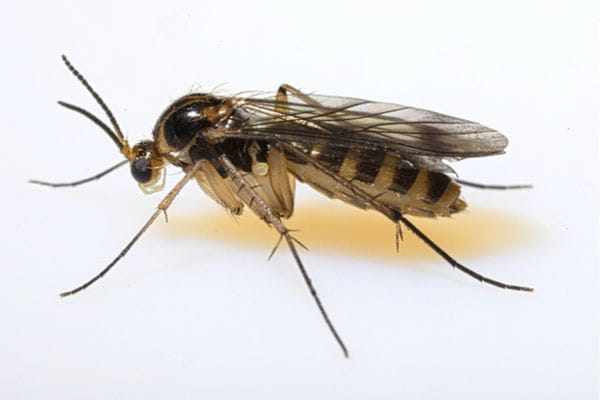
Fungus Gnats
Fungus gnats are small, delicate flies that are typically found around houseplants and damp soil. They are primarily a nuisance pest, but large infestations can damage plant roots. The most common indoor fungus gnat species belong to the genus Bradysia.
Size: About 1/16 to ⅛" long (roughly the size of a grain of rice or a small pea)
Color: Dark gray to brownish-black bodies with lighter, translucent wings
Inside the home: Most often found around overwatered houseplants, potting soil, windowsills near plants, and sometimes around sinks if moisture is present
Identifiable behavior: Fungus gnats are weak fliers and appear like they are hovering or crawling on soil surfaces. Infestations usually worsen when the soil stays consistently damp
Dangers: These types of gnats do not bite humans or pets, but larvae can damage delicate plant roots, especially seedlings
Buffalo Gnats (black flies)
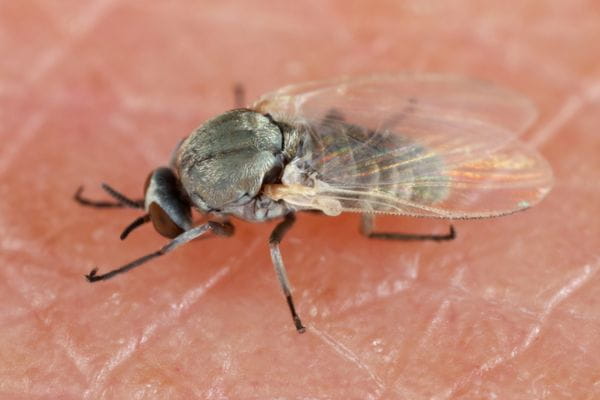
Buffalo gnats, also known as black flies, are biting flies that are most active outdoors near moving water. These gnats are a part of the Family Simuliidae.
Size: About 1/16 to ⅛" long (roughly the size of a grain of rice or a small pea)
Color: Dark gray to black with a slightly "humpbacked" appearance
Inside the home: These types of gnats rarely breed indoors, but may enter homes accidentally. They are primarily found outdoors near rivers, streams, ponds, or wet areas
Identifiable behavior: Buffalo gnats are strong daytime biters, especially in spring and early summer. They tend to swarm around the head, neck, and ears
Dangers: Unlike fungus or eye gnats, female buffalo gnats bite humans and animals and can be aggressive. Bites can cause painful swelling, itching, and irritation
Eye Gnats
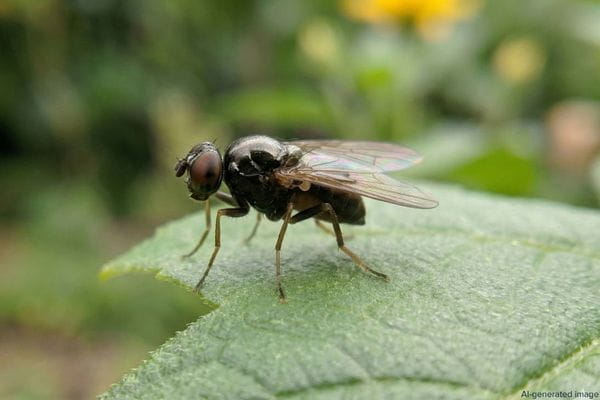
Eye gnats (Hippelates) are tiny, fast-moving flies best known for hovering around the eyes, nose, and mouth of humans and animals.
Size: About 1/16" of an inch long (roughly the size of a grain of rice)
Color: Gray to black with clear wings
Inside the home: Rarely establish breeding sites indoors. If found inside, it's usually because they flew in from outside through doors or windows
Identifiable behavior: These types of gnats are attracted to moisture around the eyes, nose, and mouth
Potential dangers: They do not bite or sting, but they can transfer bacteria after landing on waste or decaying material. In large numbers, they can be a nuisance or cause eye irritation
Gnats vs. drain flies
Although gnats and drain flies are both small, flying pests, they differ in appearance, behavior, and treatment.

Appearance: Gnats and drain flies are around the same size. However, gnats are slender and more mosquito-like in appearance, while drain flies are broad, rounded, and fuzzy, similar to a moth.
Movement: Gnats are fast, erratic fliers that tend to hover around faces, while drain flies are weak fliers that flutter short distances.
Color: Gnats are gray to black, while drain flies are gray or tan.
Where you'll see them: Gnats can be found around windows, doors, outdoor patios, and around people or pets. Drain flies are typically found near sinks, tubs, showers, floor drains, and garbage disposals.
Treatment: To reduce gnats indoors, focus on reducing moisture and standing water, and seal gaps around windows and doors. To eliminate drain flies, clean drains to remove organic buildup and address plumbing leaks or slow drains.
How to get rid of gnats
Gnats are attracted to moisture and organic material. The specific cause depends on the type of gnat, but common attractants include:
Overripe fruit left on counters
Spilled sugary drinks or food residue
Trash cans and recycling bins
Overwatered houseplants
Damp soil or decaying vegetation outdoors
To help prevent various types of gnats in the house, you'll need to remove what attracts them. Here are a few tips:
Wipe down counters daily and remove any spoiled fruits
Take out trash regularly and clean bins
Clean drains with a brush to remove buildup
Avoid overwatering indoor plants and allow the soil to dry between waterings
Fix plumbing leaks and eliminate standing water
Seal gaps around windows and doors
Consistency matters. If you clean once but leave moisture behind, they can return. If the problem continues despite cleaning, a professional can help locate breeding areas and treat them properly.


