


Rooflines and gutters
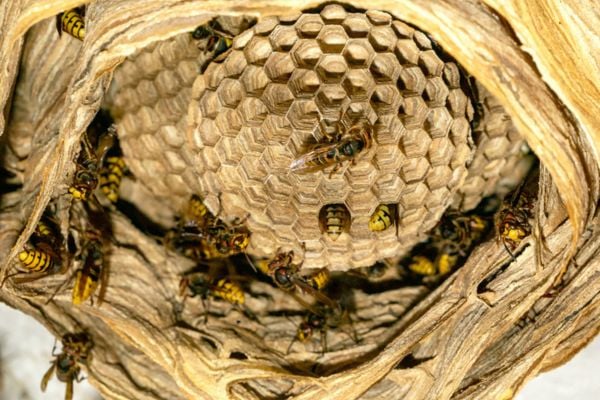
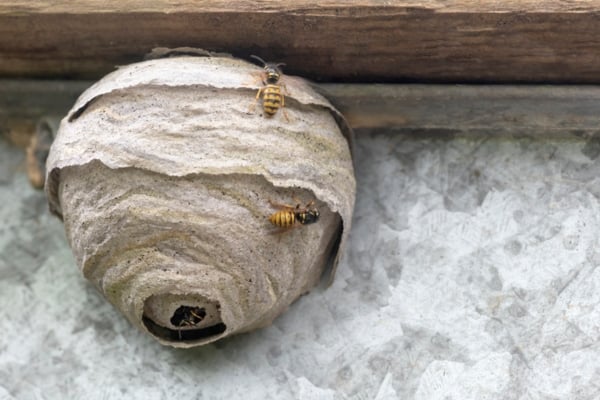
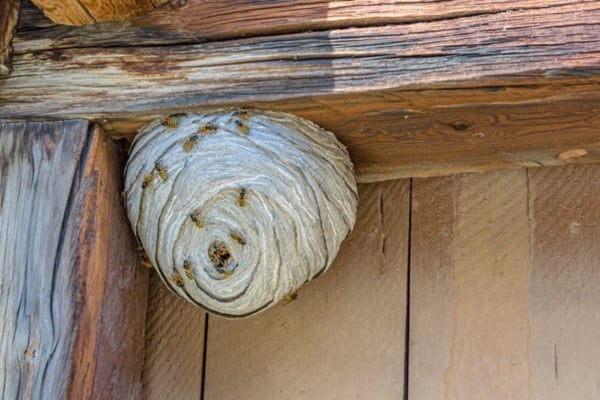
Wasps may build nests beneath roof overhangs, along rooflines, and inside or around gutters where they can find shelter from the elements.
Wasps around your business can put employees, customers, and visitors at risk of painful stings, especially if nests are near entrances, walkways, or outdoor work areas. Terminix commercial wasp control services can help address wasp activity through professional expertise, tools, and targeted treatments.
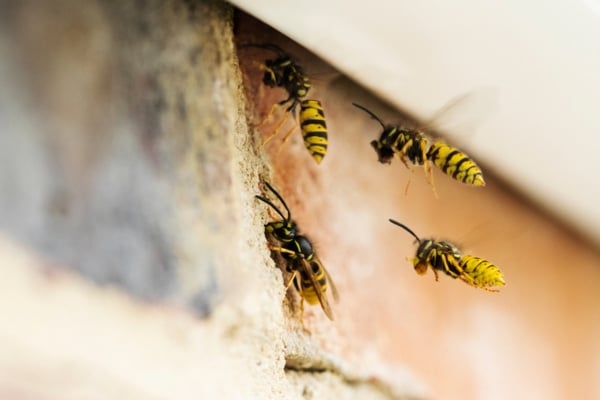
Commercial wasp sprays and other liquid treatments can be applied to targeted areas where wasps nest or gather. Depending on the product and application, these treatments can help control active insects and address activity in areas that may be difficult to access. These treatments can help address visible insects and may be combined with other control methods to manage ongoing activity.
Wasp nests near entrances, walkways, loading areas, and outdoor workspaces can create safety risks for employees and customers. Terminix technicians are trained to locate and remove nests using professional equipment and techniques, helping to reduce the risk of stings and minimize disruptions to business operations.
Residual powders can be applied to nesting sites, such as wall voids and other protected spaces, where wasps may come into contact with the treatment. These products can help control insects in hard-to-reach areas and may be used as part of a broader treatment plan to reduce recurring activity.

Need help?

National resources delivered by experts who know your area.

Customized, scalable programs built for your business’s unique needs.

Data-driven tools built by our team of entomologists for proactive brand protection.
Wasps may build nests beneath roof overhangs, along rooflines, and inside or around gutters where they can find shelter from the elements.
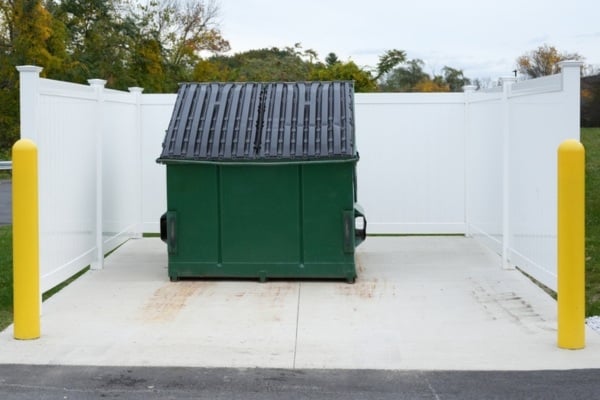
Dumpsters and outdoor trash areas can attract wasps searching for sugary drinks, food scraps, and other waste. Businesses that handle food or generate food waste can be more likely to see wasp activity in these areas.
Outdoor patios, covered seating areas, and awnings can provide sheltered nesting sites and potentially bring wasps closer to employees and customers. Food and beverages served outdoors may also attract wasps to these spaces.
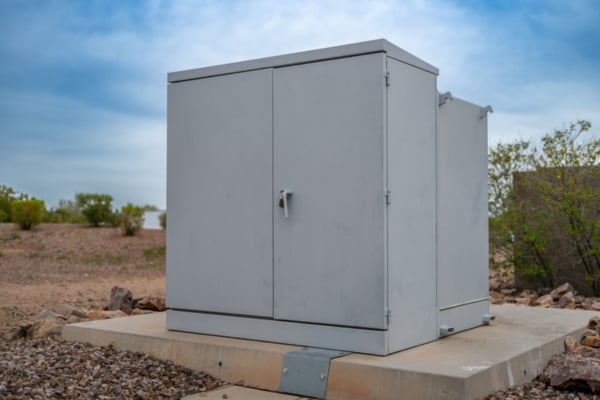
Utility boxes, electrical enclosures, and light fixtures can offer protected spaces where wasps may build nests.
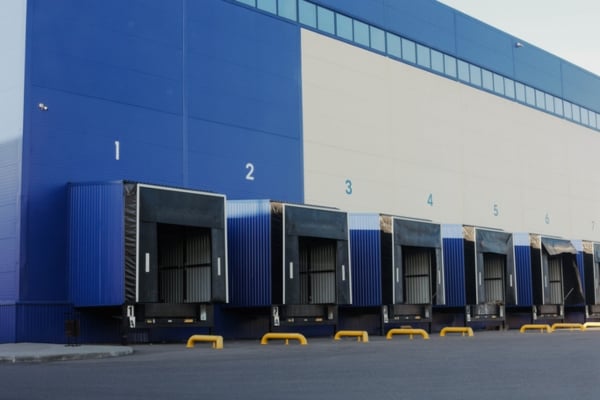
Doorways, loading docks, and other building openings can provide sheltered spots for nesting and access to indoor spaces. Wasps in these high-traffic areas can pose safety risks to employees, delivery drivers, and visitors.
Shrubs, trees, fences, and outdoor storage structures can provide shelter and potential nesting sites for wasps.
A Terminix expert will inspect your commercial property for signs of wasp activity and active nests. This includes checking areas such as rooflines, gutters, loading docks, utility boxes, and other locations where wasps may nest or gather.
Once wasp activity is identified, your technician will recommend and apply appropriate treatments to help control active wasps and address nests. Treatment methods will depend on the nest's location, the level of activity, and your property's specific needs.
Your technician will recommend prevention measures to help reduce the risk of recurring wasp activity around your business. If you have a recurring commercial pest control plan, regular visits can help identify new activity and address potential problem areas.
From hospitality and food service to healthcare, manufacturing, and beyond, wasps can pose health and safety risks to employees, customers, and visitors across industries. Terminix provides customized commercial wasp control solutions designed to address the unique needs of your facility and help reduce wasp activity. We service the following industries:
The cost of commercial wasp control can vary depending on the size and layout of your property and the severity of the infestation. Businesses with multiple nesting sites or nests in hard-to-reach areas may also require more extensive treatment. A professional inspection can help determine the extent of the problem and identify an appropriate treatment plan for your business.
Wasps can create health and safety risks for businesses, potentially exposing employees, customers, and visitors to painful stings and allergic reactions. Nests near entrances, dining areas, and walkways can also create negative customer experiences and potential liability concerns for business owners.
Yes, wasp treatments are safe when applied by trained professionals according to product label directions. Terminix technicians use appropriate treatment methods and can advise your business on any necessary precautions, including whether treated areas should be avoided for a period of time after application.
Keep dumpsters sealed, clean up food waste promptly, and regularly inspect rooflines, gutters, awnings, and other sheltered areas for early signs of nesting. Commercial wasp control is one of the best ways to help manage activity and reduce the risk of recurring problems around your property.
Removing a wasp nest yourself can be dangerous because disturbed wasps may swarm and sting repeatedly, potentially causing severe allergic reactions. Nests in hard-to-reach or unsafe areas, such as rooflines, gutters, and wall voids, can also increase the risk of falls or other injuries during removal. It's best to leave nest removal to professionals who have the proper equipment and treatment or removal methods needed.