
2026’s pest trends and activity forecast
Content Updated: January 8, 2026
Key takeaways
- Warmer seasons will let ticks and mosquitoes stay active longer.
- Asian needle ants, Joro spiders, and spotted lanternflies are emerging in new areas and could potentially impact yards and gardens.
- Crossbred Formosan and Asian termites are more challenging to control and reproduce more rapidly than their parent species.
- Only scattered stragglers from other cicada broods are expected after the 2025 emergence.
- Terminix keeps up with the latest pest trends to help keep your home one step ahead.
Jump to section:
- Mild winters mean more ticks and mosquitoes
- A rise in invasive species
- Hybrid termites
- A year (mostly) without cicadas
- 2026 pest control industry trends
- How to prepare for 2026 pests
Pests don’t take vacations, and 2026 is already showing signs of a busy season. To get the inside scoop on what’s coming, we caught up with:

Dr. Nancy Troyano
Sr. Director of Sales and Service Academy, Rentokil Terminix
Dr. Chad Gore
Technical Field Director & Entomologist; Board Certified Entomologist, Rentokil Terminix
Dr. Sydney Crawley
Principal Vector Scientist, Rentokil Terminix
From ticks and mosquitoes to hybrid termites, understanding these pest trends and shifts can help you know what to watch for and help keep your home protected.
Mild winters mean more ticks and mosquitoes
Mild winters give ticks and mosquitoes a little extra time to hang around. “Warming temps continue to permit ticks…to expand their range and be active for longer periods—well into the fall and winter,” said Gore. Add rain, standing water, or overgrown vegetation, and you’ve got the perfect conditions for what pest professionals call bumper pest crops, which are periods when pest populations surge because the environment is ideal for breeding, feeding, and thriving. This can be especially noticeable in cities with the most mosquitoes, where these pests are already more active.
That means more opportunities to encounter these pests and the diseases they can carry. Crawley pointed out that in 2025, confirmed West Nile virus cases were reported across 45 states. “Tick-borne diseases are debilitating, and a lack of funding and interest from government bodies will limit novel control technologies and disease management tools,” she added.
A rise in invasive species
In addition to the pests we see every year, several invasive species are becoming more common across the U.S. These pests can show up where you least expect them and damage plants, reproduce quickly, and sometimes even cause discomfort to people and pets. Knowing which pests are on the rise can give you a head start in controlling them.
Asian needle ants
Homeowners should be on the lookout for Asian needle ants, which are spreading through the Southeast and appearing in areas where they haven’t been seen before. Crawley warned that these ants can be aggressive when disturbed, their stings can be painful, and they can take over gardens and yards, competing with native ants. Once they settle in, they’re challenging to remove and often require professional ant control services.
Joro spiders
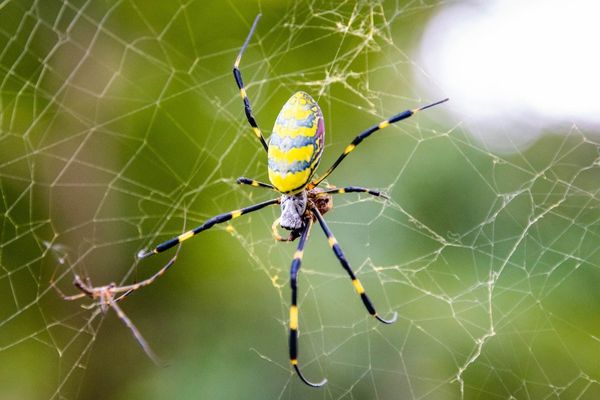
Joro spiders are an invasive species originally from Asia that have established populations in the eastern U.S., particularly in Georgia, North Carolina, South Carolina, and surrounding states. Females can grow up to 3 inches across, and their large, colorful webs can span several feet, covering trees, bushes, and outdoor structures. Gore noted, “They are considered harmless to people and pets,” but their large bodies can cause concern for those who are unfamiliar with them.
New World screwworm flies
Although eradicated decades ago, New World screwworm flies could make a comeback. Crawley explained, “Multiple cases of New World screwworm flies have been reported in Mexico, raising concerns about reintroduction into the U.S.” With cases so close to the U.S., these flies could spread into southern livestock regions if not closely monitored. These flies can be harmful to livestock by laying eggs in open wounds, which can lead to painful infections and hurt the health of the animals.
Spotted lanternflies
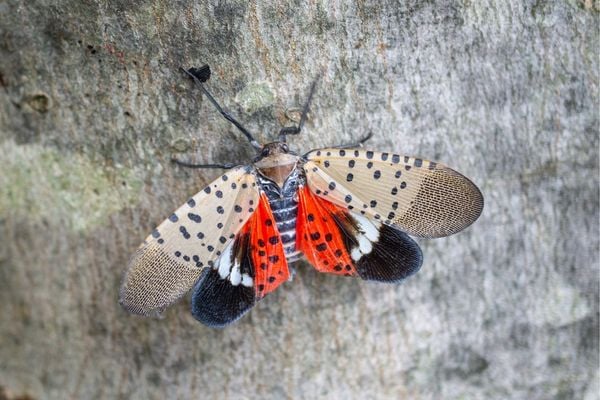
Homeowners should be on the lookout for spotted lanternflies, which are spreading in the Mid-Atlantic and causing serious problems for trees, plants, and gardens. “Populations escalated in 2025, especially in Maryland,” said Crawley. These pests feed on sap, leaving plants weakened and more susceptible to damage. They also leave behind sticky residue that can attract mold and make outdoor areas unpleasant.
Hybrid termites
Termite populations in the U.S. saw a concerning development in 2025. The Formosan termite and Asian termite were crossed-bred, creating a hybrid termite species. Troyano explained, “The hybridization of these species means the production of a super bad species that are hardier… and more prolific termites.” Homeowners should be especially vigilant with termite control, as these hybrids can be tougher to manage than their parent species.
A year (mostly) without cicadas
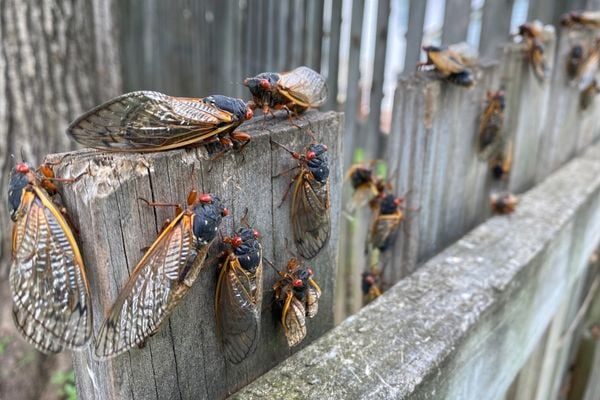
2026 is mostly an off year for cicadas, following the big emergence of Brood XIV in 2025. “There may be ‘stragglers’ from other broods—those cicadas that emerge earlier or later than expected,” said Gore. Some of these stragglers could come from Broods XIX or XIII, meaning a few screaming cicada broods might still appear in certain areas. While you won’t see the massive swarms or hear the full chorus of a peak year, these scattered cicadas can pop up near older trees or forests. Even in an off year, cicadas are never absent.
2026 pest control industry trends
Pest control in 2026 is all about combining tools, technology, and knowledge to stay one step ahead of pests. Experts are using AI, connected devices, and integrated strategies to track, prevent, and treat infestations more efficiently. Crawley explained, “We plan to continue investing in innovative mosquito, tick, and termite management technologies…working toward holistic integrated pest management strategies.” This approach focuses on preventing pests from settling in the first place, rather than just reacting to infestations, which can help make pest control more innovative and less disruptive for homeowners.
How to prepare for 2026 pests
Keeping pests at bay doesn’t have to be complicated. Get ahead of these 2026 pest predictions with a few simple steps around your home and yard:
- Remove standing water to help limit mosquito breeding.
- Keep grass trimmed and shrubs tidy to reduce pest habitats.
- Clear away debris or rotting wood that can attract termites and other insects.
- Seal cracks and gaps around doors, windows, and foundations to keep insects and rodents out of your home.
Even with these precautions, pests can still find their way in. That’s where Terminix comes in. We’re the experts in protecting what matters most: your home, your family, and your peace of mind. With professional inspections, preventive treatments, and customized pest control plans, we help keep unwanted pests from taking over.