Mice and Rats
How to help get rid of mice in your walls
Content updated on: October 12, 2026
Key takeaways
- Listening for nighttime scratching and checking for droppings can help you identify a mouse infestation in the walls early.
- When figuring out how to get rid of mice in walls, standard traps may catch roaming rodents but often miss hidden nests.
- Avoid using poison baits, as rodents dying inside wall cavities can create severe, lingering odors that make removal incredibly difficult.
- Since wall voids are difficult to access, relying on professional rodent control is the smartest approach to exterminate mice in walls.
- You can help prevent future infestations by sealing foundation cracks with wire mesh, trimming tree branches, and eliminating accessible food sources.
Jump to:
Signs of a mouse infestation in your walls
What can I do to get rid of rodents in walls?
Dealing with dead mice in your walls
How to keep mice out of your walls and home
Figuring out how to get rid of mice in walls can feel overwhelming, but effective mice control is entirely manageable with the right approach. Whether you are exploring DIY solutions or looking for professional help, the experts at Terminix want to help you understand how these pests operate. Knowing what you are up against is the first step toward reclaiming your home and your peace of mind.
How do mice get in walls?
Thanks to their incredibly small size, mice only need a hole the size of a dime to slip indoors. This means tiny fissures in your foundation, gaps around windows, or small openings in the roof are an open invitation. These rodents are also surprisingly agile climbers and can scale exterior walls or use nearby tree branches to access vulnerable spots on upper levels, eventually finding their way into your wall voids.

Common entry points for mice include:
- Utility pipe and wire entries
- Deteriorating siding
- Cracks in home foundations
- Crawl spaces
- Weep vents
- Gaps in building materials
- Poorly sealed door and window frames
- Air ducts
- Roof vents and chimney pipes
Signs of a mouse infestation in your walls
Besides actually seeing a mouse scurry around inside your house, there are many other signs of mice to look for. Spotting evidence of rodents sooner can help lessen the severity of an infestation and damage to your home. Knowing what to look for can help you keep a small infestation from becoming a raging mouse party.
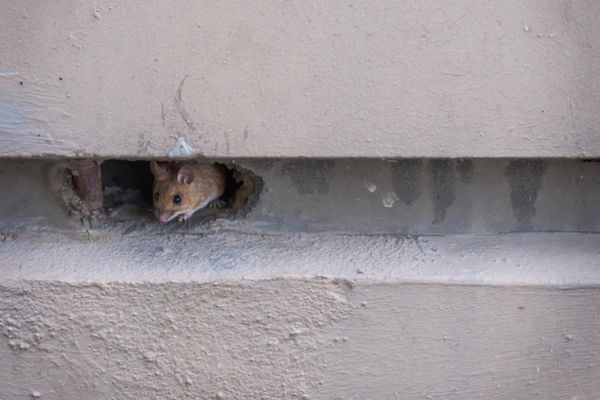
Common signs of mice include:
- Droppings (1/4" in length and pointed on at least one side) or urine
- Nests made of paper, cardboard, or fabric
- Disturbed insulation
- Chewed or gnawed wood or drywall
- Mice squeaking inside the walls
- The smell of rodent droppings or decay
What do mice sound like in walls?
If mice are in your walls, you may be able to hear them. In fact, many homeowners hear mice scurrying and squeaking in their walls before they even see one.
You may hear mice scurrying around inside your walls and ceiling. Since rodents are nocturnal, mouse noises like skittering, scratching, and squeaking are most noticeable after dark. If your walls sound alive with scurrying when you head to bed, it is highly likely that pests have settled in.
What can I do to get rid of rodents in walls?
Mice will rarely leave your walls on their own. As long as they have food and shelter, they will stay. While DIY mouse control methods can catch mice that wander into your rooms, reaching the nests hidden behind your drywall usually requires a professional touch. You will know the problem is fully solved when the nighttime scurrying stops and you no longer find fresh droppings.
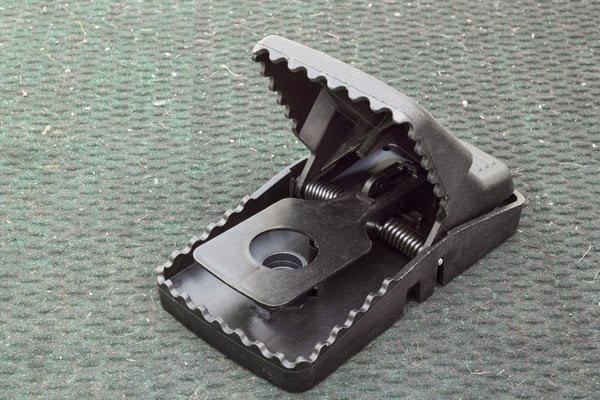
Mice traps
Standard mouse traps are a common DIY starting point. To use them effectively, place the traps flush and perpendicular against the baseboards where mice naturally run, with the trigger side facing the wall. While mouse traps can catch a few foraging rodents, they do not reach the nests hidden deep within the walls. This means the underlying infestation often continues to grow despite your trapping efforts.
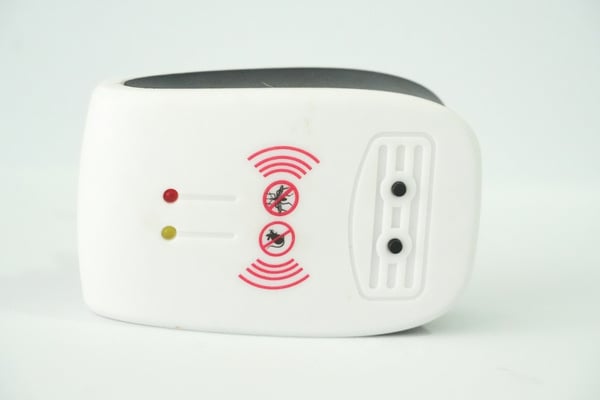
Electronic repellers
Plug-in ultrasonic pest repellers broadcast high-frequency soundwaves intended to drive pests away. Unfortunately, these sound waves cannot easily penetrate thick drywall or insulation and cause little to no disruption to mice living in wall cavities.

Bait stations
Poison baits are sometimes used to reduce rodent populations, but they are highly discouraged for wall infestations. If a mouse consumes the bait, it will likely retreat into the wall void to die, which can create a severe odor problem that lingers for weeks and makes removal incredibly difficult.

Get professional help
Since wall voids are so difficult to access, figuring out how to exterminate mice in walls on your own can be risky. Relying on a knowledgeable pest control technician is the smartest way to get these critters out of your home. DIY methods often yield less-than-effective results and can increase your exposure to diseases from mice if not handled safely.
Dealing with dead mice in your walls
Unfortunately, mice occasionally die inside wall cavities. This might happen from old age, starvation if they get stuck in a tight spot, or the ill-advised use of rodenticides. When this occurs, a strong, dead mouse smell will quickly permeate the room, signaling a decaying rodent.
Prompt removal is essential for your comfort and home hygiene. Since retrieving the remains can be difficult, it is best to enlist a professional's help. Once the carcass and nesting materials are removed, the cavity must be heavily sanitized and disinfected to eliminate lingering odors and bacteria.
How to keep mice out of your walls and home
The most effective way to handle a rodent problem is to stop it before it starts. While professional rodent exclusion services are the top choice, there are several proactive steps you can still take around the house to help keep mice away and prevent future infestations:
- Use chew-proof sealants: Mice will gnaw right through plastic, wood, and rubber. To permanently close off foundation or wall cracks, fill them with quick-drying cement or wire mesh.
- Cut off climbing routes: Mice use surrounding vegetation as ladders to jump onto your home. Trimming trees and shrubs back at least a foot-and-a-half helps cut off this access to higher entry points.
- Intercept their paths: Place mousetraps perpendicular to your baseboards to help catch them along their typical routes.
- Starve them out: Rodents rely on easy access to food and water. Sweep up crumbs, fix moisture issues, and never leave food sitting out.
If you have taken preventative steps but still need to get rid of mice in your walls, reaching out to a professional is the best next step. Take the guesswork out of rodent removal and schedule a free mice inspection with our trained technicians today.