
How to keep mice away from your home and yard
Content updated: October 12, 2026
Key takeaways
- To help keep mice out of your home, start by sealing exterior gaps, securing food sources, and decluttering potential nesting areas.
- Rodent exclusion is an effective preventative step that physically blocks pests from squeezing through dime-sized foundation cracks and door gaps.
- Maintaining your yard by removing standing water, fallen fruit, and dense vegetation can help reduce outdoor attractions for rodents.
- DIY mouse repellents and rodenticides are generally unreliable for long-term prevention and can pose potential risks to your household.
- If proactive prevention measures fall short, professional rodent control services can help address the problem with customized trapping and exclusion solutions.
Jump to section:
Why and how are mice in my home?
How to keep mice out of your home
How to prevent rodents around your yard
How do I know if I’ve successfully kept the mice out of my home?
How do I get rid of mice fast?
Mice can carry diseases, contaminate food, and cause structural damage to your home. That’s why learning how to keep mice out of your home is essential for protecting your property and well-being.
While proactive prevention steps can help reduce the risk of an infestation, these persistent pests may still find their way inside. In those cases, professional mouse control services may be necessary to eliminate the problem. Here’s what you need to know about how to keep mice away.
Why and how are mice in my home?
Mice are drawn indoors by food, shelter, and warmth. Colder temperatures, limited outdoor food sources, and safe nesting sites can all drive these small but agile rodents inside.
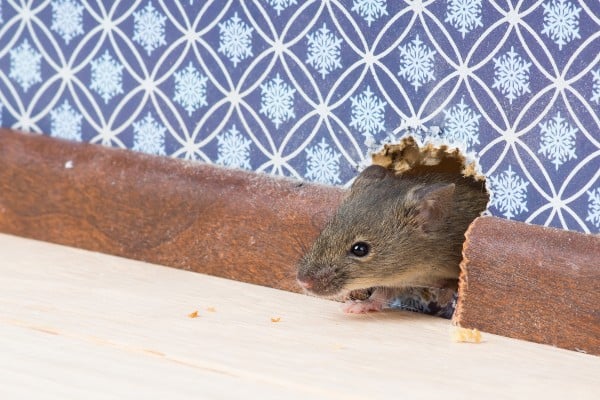
Thanks to their flexible skeletons, mice can squeeze through gaps as small as a dime. Common entry points include cracks in foundations, openings around utility lines or vents, and gaps beneath doors. Once inside, they quickly take advantage of cluttered or hidden spaces to build nests.
How to keep mice out of your home
Keeping mice out of your home starts with sealing entry points, removing food and water sources on your home exterior, and limiting places where they can nest. These simple prevention steps can make your home less inviting to mice and help reduce the risk of an infestation.

Seal them out
If a mouse cannot get inside your home, there is less risk of an infestation, making rodent exclusion one of the best ways to get rid of mice in and around your property. Exclusion helps keep rodents like mice from entering your home by sealing off the gaps, cracks, and openings they use to get inside. Common entry points include:
- Cracks in foundations
- Gaps beneath doors
- Poorly sealed window frames
- Crawl spaces
- Roof vents
Depending on the size and location of the opening, materials like steel wool, caulk, metal mesh, and hardware cloth can help keep mice out. Terminix professionals also use specialized exclusion products like Flexi Armour®, which contains durable, knitted stainless steel designed to create a strong barrier against rodents.
Eliminate the attractions
Mice enter homes strictly in search of food, water, and shelter. They are not attracted to humans—in fact, because they are naturally timid, it is extremely rare for a mouse to crawl on a sleeping person or purposefully approach you. To keep mice out of your house, you need to eliminate what they are actually looking for.
- Store dry goods, pet food, and seeds in airtight containers
- Promptly clean up any crumbs, messes, or spills
- Regularly dispose of garbage and keep trash bins sealed
- Clean up fallen fruits and nuts from trees in the yard
- Keep bird feeders away from the house
- Fix leaky faucets, pipes, and outdoor spigots to remove standing water sources
- Ensure gutters, downspouts, and drains are clean and functioning properly to prevent excess water
Limit nesting areas
Potential nesting areas within a home provide mice with the secluded, safe environments they need for shelter and reproduction. Mouse nests can be found in cluttered or undisturbed areas such as:
- Garages
- Attics
- Basements
- Wall voids
- Old furniture
- Crawl spaces
Mice also gather soft materials like shredded paper, fabric, or insulation to build their nests. To help prevent mice from establishing nesting sites in your home, routinely declutter these areas, avoid storing materials directly on the floor, and regularly inspect for signs of mice.
Avoid faulty mouse repellents
DIY mouse repellents may seem like an easy way to keep mice away, but they aren't reliable enough to prevent an infestation. Common suggestions include relying on the natural rivalry between cats and mice or on scents mice hate, such as peppermint oil, vinegar, cayenne pepper, and dryer sheets. While strong smells may temporarily discourage mice, they fade over time and won't stop mice from entering your home.
You may also come across ultrasonic pest-deterrent devices that claim to drive mice away with high-frequency sounds. However, there's limited evidence that they provide lasting results, and mice may become accustomed to the noise. Neither method addresses the underlying problem and is not a reliable way to help keep mice out of your home.
The risks of DIY rodenticide use
Rodenticides are designed to control mice that are already present, not prevent them from entering your home. While these products can be effective when used by professionals, they are not recommended for DIY use. Improper handling or placement of rodenticides can pose serious risks to children, pets, and non-target wildlife. Additionally, misusing rodenticides may not solve the problem and can worsen infestations if mice die in inaccessible areas of the home.
How to prevent rodents around your yard
Outdoor rodent activity can increase the likelihood of rodents entering your home, so it’s important to take steps to prevent rodents in your yard as well. Placing a trap and a few bait stations isn’t always enough, but attractant reduction, habitat management, entry-point sealing, monitoring, and professional control measures when needed can make a big difference.
Remove outdoor food, water, and shelter attractants
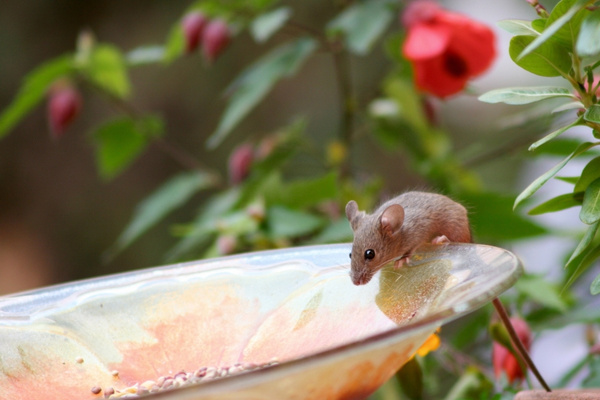
Rodents are more likely to remain on properties that provide reliable food, water, and shelter. Dense vegetation, cluttered storage areas, woodpiles, pet food left outdoors, overflowing trash bins, standing water, compost, and food sources like fallen fruit and bird feeders can provide what rodents are searching for. Reducing access to food, water, and shelter can make your property less attractive to rodents, but it still may not be enough to eliminate an established rodent population.
Watch for burrows and other signs of outdoor activity
Signs of rodents in your yard can include burrow-like openings near foundations, sheds, decks, fences, woodpiles, or dense vegetation, droppings, gnaw marks, worn travel paths, disturbed soil, tracks, or repeated rodent sightings. Not every hole is an active burrow, and some holes can be signs of other wildlife, so it’s important to get a professional inspection to determine the right approach.
Seal exterior gaps and access points
To help prevent rodents in your yard from making their way into your home, make sure to locate and seal any possible entry points. Gaps around doors and window frames, openings around pipes and utility lines, cracks in the foundation, damaged screens, uncapped chimneys, and floor drains can all be entry points for rodents.
Understand the role of outdoor bait stations
Exterior rodent bait stations are secure, tamper-resistant devices that may be used as one part of a professional rodent-control program. They are designed to limit access by children, pets, and other wildlife while protecting their contents from weather and disturbance. Maintaining bait stations should be left to a pest control professional.
Outdoor rodent prevention is most effective when multiple tactics are combined to cover all your bases. Professional inspection can identify the species involved, assess activity across the property, locate potential access points, and determine whether treatment, exclusion, monitoring, or a combination of services is appropriate.
Perimeter maintenance isn’t a one-time treatment. It’s an ongoing process that can be adjusted over time as your rodent control needs change.
How do I know if I’ve successfully kept the mice out of my home?
You can typically declare victory using the 5-day rule. If you go five consecutive days with empty traps and no new signs of mice, like fresh droppings, gnaw marks, grease smudges, or nighttime scratching, your home is likely clear.
If you do find lingering messes, clean them safely to avoid airborne diseases. Wear gloves and a mask, and do not sweep or vacuum. Instead, soak the affected area with a disinfectant or bleach-water solution for five minutes, wipe it up, and throw the sealed bag in an outdoor trash can. Wash your hands thoroughly afterward. If new activity appears, contact a rodent control professional as soon as possible.
How do I get rid of mice fast?
The timeline for getting rid of mice can vary depending on the severity of the infestation and your home's specific situation. While you might see a reduction in just a few days using snap traps and bait stations for minor issues, achieving complete control often takes a couple of weeks or longer. Since mice reproduce so quickly and are skilled at hiding, DIY prevention isn't always 100% foolproof.
The fastest, safest way to eliminate them is by getting help from a professional rodent control expert. Terminix technicians create customized mice control plans using strategic trapping, rodenticides, and exclusion techniques to seal entry points and keep mice out of your home.
Schedule a free mouse inspection today and take the first step toward protecting your home from mice.