
DIY
DIY rodent control methods
Content Updated: August 12, 2026
Key takeaways
- DIY rodent control methods may help reduce rodent activity but often don’t eliminate the source of an infestation.
- DIY rodent traps, including snap traps, glue traps, live-catch traps, and bucket traps, can catch individual rodents but fail to address hidden nests or entry points.
- Natural mouse repellents such as peppermint oil, eucalyptus oil, cedar oil, garlic, and strong-smelling soaps have mixed or limited effectiveness.
- Research on ultrasonic repellers is limited and has not consistently shown that they effectively drive rodents away.
- Exclusion methods such as sealing entry points with door sweeps, weather stripping, and steel wool can help prevent rodents from entering but work best as part of a broader rodent control strategy.
Jump to section:
Do these DIY rodent control and prevention methods work?
Choosing the most effective method
Many homeowners try DIY rodent control to deal with mice and rats, but not every method works equally well. From DIY rodent traps and natural mice repellents to ultrasonic repellers, understanding the strengths and limitations of each approach can help you make informed decisions. Learn how common DIY rodent control methods compare and when professional rodent control may be the better solution.
Do these DIY rodent control and prevention methods work?
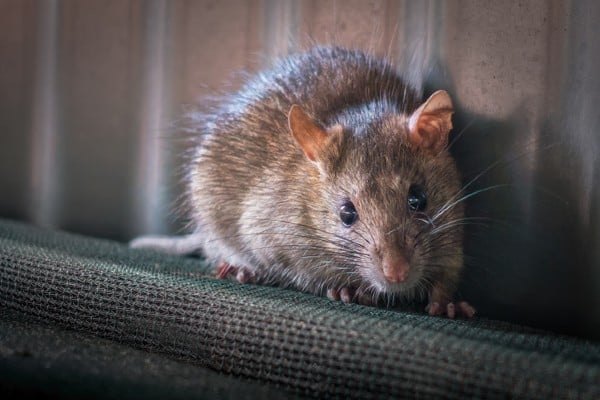
Homemade rodent control methods, such as DIY mouse traps and homemade rodent repellents, are generally ineffective in eliminating infestations. Handling traps, poisons, and chemicals without proper knowledge can also pose health risks to humans and pets.
At-home control attempts can be time-consuming and typically do not tackle the root cause of infestations, increasing the likelihood of pests returning. Terminix professionals will create a tailored rodent control plan, which may include the use of professional use, multi-formulation rodenticides, tamper-resistant bait stations, and traps.
DIY Traps
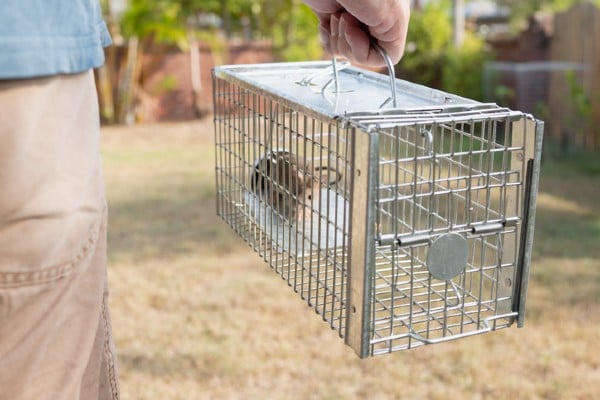
DIY rodent traps alone are not enough to eliminate infestations because they only capture individual rodents without addressing the underlying issues, such as entry points or hidden nests. Common types of traps include:
- Snap traps use a spring-loaded bar to kill rodents quickly when triggered by bait. While this may help eliminate a few rodents, it is not enough to eradicate an infestation.
- Glue traps are coated with a sticky adhesive that traps rodents when they walk over them. These traps can be seen as inhumane and are typically ineffective for larger rodents.
- Live-catch traps are more humane traps that capture rodents alive using bait. A mechanism closes a door behind the trap, allowing the rodents to be released elsewhere.
- Dry bucket traps lure rodents onto a platform that tips them into the bucket. Nothing is inside the bucket so that the animal can be released elsewhere. Water bucket traps operate similarly, but the rodent is dropped into the water, causing it to drown.
Overall, these DIY methods fail to address the root cause of infestations, making professional pest control services more effective for long-term and humane rodent control.
Off-the-shelf rodenticides and food bait lures
Store-bought rodenticide baits often contain toxic chemicals like anticoagulants or neurotoxins that affect the nervous system and can cause death. If not used properly, these baits can harm children, pets, and non-target wildlife. Additionally, rodents may develop resistance to specific toxicants over time. If the bait is not placed correctly or used according to instructions, it may not attract rodents or be consumed by them.
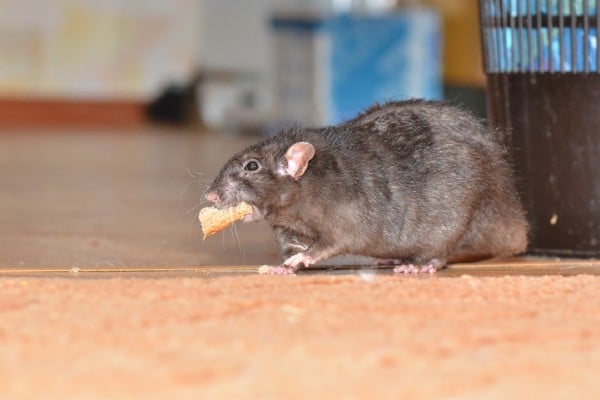
Homemade rodent control baits can include peanut butter, sugar, or flour mixed with substances toxic to rodents, such as baking soda or boric acid. Once the toxic ingredient is ingested, it can disrupt the rodent's bodily functions and kill it. Homemade baits can be less potent and less attractive to rodents and do not effectively address large infestations.
Peppermint oil and other natural mice repellents
Some oils and scents are believed to help repel rodents, though their effectiveness can vary:
- Peppermint and eucalyptus oils are often cited as natural rodent repellents. Their strong scents are thought to deter rodents, but results can be inconsistent and may require frequent reapplication.
- Cedar oil has a natural aroma believed to be unappealing to rodents. Cedar chips or oil could potentially help keep rodents away but are usually less effective on their own.
- Garlic is sometimes used as a homemade rodent repellent, but its effectiveness is not well-documented.
- Some people use strong-smelling soaps, which they believe helps repel rodents. The scent is said to be unpleasant or overwhelming to rodents, but there is minimal scientific evidence supporting its reliability as a rodent deterrent.
While these natural remedies can have some repellent properties, they are less reliable than professional pest control methods and insufficient for severe infestations.
Ultrasonic repellers
An ultrasonic pest repeller emits high-pitched sounds that are said to help drive away pests. These devices plug into electrical outlets or can be battery-operated for use in various locations. Research on ultrasonic pest repellers is limited and largely inconclusive. Studies have shown that these devices often have no significant impact on rodents.
Exclusion
Exclusion methods like door sweeps, weather stripping, and steel wool can help prevent rodents from entering by sealing gaps and entry points. Door sweeps can help block gaps under doors, weather stripping can help seal gaps around doors and windows, and steel wool can help fill cracks and openings. These methods can help prevent new infestations, but they should be used alongside other pest control strategies to help eliminate rodent infestations inside the home.
Our rodent exclusion service includes a custom treatment plan based on the rodents in your home. Our service technicians will use traps, baits, and other tools to remove any rodents currently infesting your home. We'll also patch, seal, and secure your home's exterior to ensure that all wildlife stays out.
Choosing the most effective method
Professional pest control is the best option for rodent control. Terminix experts have the knowledge and experience to accurately identify the type of rodent and the extent of the infestation. Our technicians use effective, targeted treatments that address immediate problems and long-term prevention.
Terminix professionals also use advanced techniques and equipment, such as baiting systems and traps, that are more effective than DIY rodent control methods. If you're having problems with rodents in your home, schedule your inspection today!


