Content Updated: October 7, 2026
Key takeaways
- Mothballs are ineffective for rodent control because consumer versions lack sufficient chemical concentration to deter or eliminate adaptable mice.
- Misusing mothballs in open spaces like attics releases dangerous, toxic fumes, carries severe health risks, and violates federal pesticide regulations.
- Practical DIY options like proper sanitation and natural scents may provide temporary relief, but they will not eliminate an established infestation.
- Professional mouse exclusion services address root causes by sealing foundation cracks, entry points, and gaps to help keep your home protected.
Jump to section:
- Are mothballs safe to use in my home?
- Using mothballs for mice
- Why mothballs don’t repel mice
- Mice repellent alternatives
- What is the most effective mouse repellent?
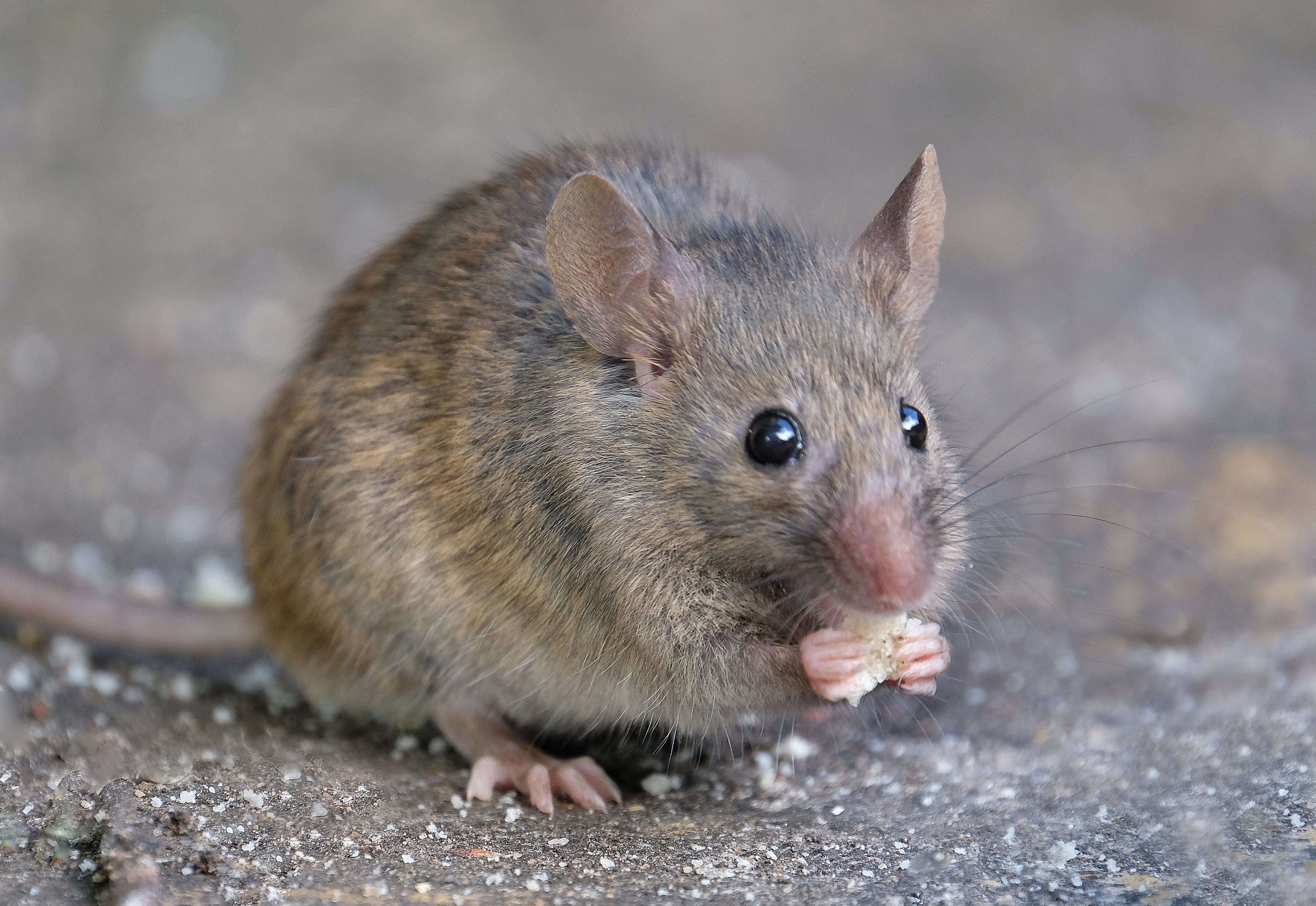
When dealing with a rodent issue, many homeowners look for quick DIY mice control methods. There’s a lot of misinformation out there about pest control, especially concerning do-it-yourself efforts and “natural” alternatives. So, do mothballs keep mice away? While some advocate using mothballs for mice, they are ineffective for rodent control, and using them in ways not clearly stated on the label is illegal. Not to mention, they can be harmful to the environment, pets, and people. If you are struggling with rodent activity, relying on proper mice control is a more effective solution than improper chemical placement.
Are mothballs safe to use in my home?
Mothballs can be quite hazardous when misused. Not only can they be easily mistaken for non-toxic items by children or pets, but according to the EPA, exposure to their primary ingredients can carry health risks, including nasal cancer and other severe respiratory illnesses.
Mothballs are designed strictly for use inside airtight containers to protect clothing from fabric pests. When scattered in open spaces like attics, basements, or crawlspaces to repel rodents, they release toxic fumes that occupants breathe, creating a dangerous living environment inside your home.

Using mothballs for mice
Pesticide products distributed or sold without a valid EPA registration are considered illegal pesticides, whereas registered products have been evaluated by the EPA for safety. So, as far as the law is concerned, do mothballs repel mice? No. In fact, these pesticides are intended only to eliminate fabric pests such as clothes moths.
Often, illegal versions of common pesticides pop up on the market, and mothballs for mice are among them. The EPA takes action against the sale and distribution of these products. Even if a mouse were to consume part of a mothball, the chemical dose from a single exposure is rarely sufficient to immediately eliminate an entire infestation, making the legal and health risks far outweigh any potential benefit.
Why mothballs don’t repel mice
Mothballs contain active ingredients such as naphthalene or paradichlorobenzene, which are considered by some to be deterrents. When ingested or inhaled in heavy concentrations, naphthalene can cause blood cells to lose their ability to carry oxygen. However, the amount of naphthalene in consumer mothballs is minimal, and using mothballs for mice effectively would require much higher levels.
Mice are relatively smart and highly adaptable. Even if the smell of a mothball near their nest or path bothered them, they would simply construct a new route or move to another part of the house to avoid the odor. Additionally, using mothballs outdoors to keep rodents away can contaminate nearby soil, plants, and local water supplies.

Mice repellent alternatives
If you are looking for non-toxic ways to help repel mice, there are some options:
- Natural scents: Certain scents that repel mice, such as peppermint oil, cayenne pepper, and eucalyptus, can act as mild temporary deterrents. While these smells mice hate won't eliminate an established nest, they are a better alternative than off-label pesticides.
- Ultrasonic devices: Some homeowners test ultrasonic mouse repellents that emit high-frequency sound waves to deter rodents, though pests often adjust to the noise over time.
- Sanitation: Removing open food sources, securing trash cans, and eliminating standing water are some of the most effective practical steps for mice prevention.
What is the most effective mouse repellent?
The most reliable way to keep mice away long-term isn't relying on strong odors or temporary home remedies; it requires stopping them from entering in the first place. Professional mouse exclusion services focus on identifying and sealing tiny cracks, gaps, and entry points around your home's foundation, roofline, and utility entryways using durable materials that rodents cannot chew through.
Instead of trying to figure out how to get rid of mice using hazardous chemicals yourself, trust Terminix to solve the root cause of the problem. Considering the legal ramifications and health risks associated with pesticide misuse, letting trained professionals administer proper pest control is often the best choice. Contact us today to schedule a free mouse inspection and create a targeted plan to clear your home and keep pests out for good.