
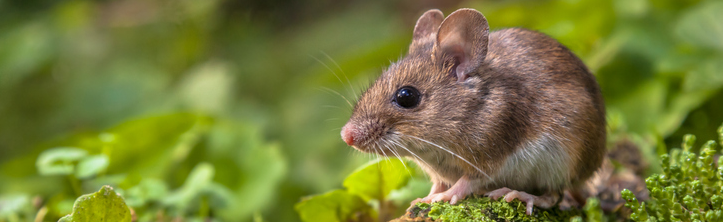
How to help get rid of field mice in your backyard
Content updated: September 30, 2026
Key Takeaways:
- Field mice enter backyards seeking food, shelter, and water, when nearby construction or harsh weather drives them into residential spaces.
- To get rid of field mice, clear yard debris, secure food in sealed containers, and rodent bait stations along property perimeters.
- Natural repellents like peppermint oil and coffee grounds can deter mice, but pet owners must use caution to avoid potential toxicity.
- Prevent mice from entering homes by trimming tree branches, ensuring doors have no gaps, sealing gaps on the exterior foundation, and maintaining stone borders around garden beds.
- When DIY methods fail after five to seven days, Terminix technicians can professionally inspect your yard, identify nests, and help keep your property protected.
Jump to section:
How to find where field mice are hiding in your yard
Why field mice are in your backyard
DIY methods to get rid of field mice in your yard
Natural field mice repellents for backyards
How to prevent field mice from coming back
What are the signs DIY isn’t working?
If you've noticed field mice scurrying around your backyard, you're not alone. These small, agile rodents are common pests, especially during the fall and winter months when temperatures drop, and food sources become scarce. Field mice are particularly difficult to eliminate due to their rapid reproductive rate, which means that a small infestation can potentially multiply your pest problems. Learn how to get rid of field mice and how a professional mice exterminator can help get rid of mice in your backyard.
How to find where field mice are hiding in your yard
The first step to learning how to get rid of mice in outdoor areas is finding where they live. Field mice, house mice, and deer mice are some of the most common species found around homes. Because mice are nocturnal, inspect your yard during dusk or early morning when rodent activity peaks.
Where to look
You may find their nests in places like dense shrubs, tall weeds, woodpiles, inside storage sheds, under decks, or inside burrows in the ground. Mouse nests usually look like messy balls of shredded materials, such as grass, leaves, cardboard, fabric, or insulation.
What to look for
Common signs of mice in your yard include droppings, chewed materials, pathways or tracks in the grass, and evidence of nesting, such as shredded grass or leaves.
Why field mice are in your backyard
Field mice are primarily drawn to outdoor spaces in search of accessible food, water, and shelter. Fallen fruit, birdseed, pet food, and open trash cans are major attractants. However, external environmental factors can suddenly drive mice into your yard. Nearby construction, excavation, land clearing, or harsh weather changes can destroy natural habitats, forcing field mice to relocate to nearby residential yards.

DIY methods to get rid of field mice in your yard
Although mice are small, these pests have high reproductive potential. For example, a house mouse can have 5 to 10 litters of 3 to 12 offspring each year. Field mice need access to food and water, and when resources become limited, they can easily find their way indoors through even the smallest openings.
Fortunately, there are effective strategies you can implement to make your yard less inviting to these rodents over time. Want to know how to get rid of mice outdoors? Check out these tips.
Clean up hiding spots and shelter
Wood piles, tall grass, and piles of fallen leaves all make great hiding places for mice. Try to keep up with yard work by regularly mowing your lawn and pulling any long weeds. Also, remove any piles of wood and foliage that provide potential hiding spots. If you compost, try moving the materials as far away from your home as possible and keeping them in a sealed container.
Remove exposed food
Bird food, pet food, and trash are all potential food sources for rodents. Be sure to seal your trash cans with a locking lid. Keep any uneaten pet food or birdseed in a sealed container inside your garage or home to prevent access by mice. Plant vegetable gardens away from the home and avoid seed-producing plants like sunflowers.
Set baited traps
One of the best ways to get rid of mice is to use traps. You can use baited snap traps, glue traps, or bait stations around the areas that you see mice frequenting. Mice will typically run close to walls and are unlikely to travel more than 5 to 10 feet into an open space to retrieve bait. Be strategic when setting traps by placing them along your property's perimeter and away from areas where your pets or children could accidentally set them off.
Cover burrow openings
Mice and other rodents may create burrows in the ground for nesting, resting, or hiding. These holes can be 1 to 4 feet long and can extend several feet underground. To get rid of field mice, cover any holes you find in your yard with a 6-inch thick covering of pea gravel, as these may be entry or exit holes for rodent burrows. If you notice an opening has been dug up again, you may still have a mouse problem.
Install barriers around vegetable gardens
You can protect vegetable gardens by installing hardware cloth (1/4-inch wire mesh) buried 6 inches underground and extending 2 feet above ground. Raise garden beds and line the bottoms with wire mesh to stop burrowing.
Inspect your home
Once your yard is clean, all potential food sources have been sealed, and you have set traps, the next step is to prevent mice from entering your home. Examine the exterior of your home for any holes or cracks that mice can enter, and seal them with wire mesh or caulk.

Natural field mice repellents for backyards
Natural repellents can be effective to help get rid of mice in the backyard. Some smells that mice hate include peppermint oil, coffee grounds, vinegar, and ammonia. These repellents have a strong scent that can overwhelm a mouse's sensitive sense of smell, potentially driving them away. While these natural repellents can be somewhat effective, their efficacy may vary with the severity of the infestation and environmental conditions.
- Peppermint oil: Soak cotton balls or mix with water to spray along fence lines and garden perimeters. Concentrated essential oils can be toxic to dogs and cats if ingested or inhaled directly.
- Coffee grounds: Scatter used coffee grounds around flower beds and garden borders. Keep away from dogs, as ingesting coffee grounds can cause caffeine toxicity.
- Vinegar: Spray diluted white vinegar around patio edges, sheds, and outdoor structures.
- Ammonia: Place ammonia-soaked rags inside small, punctured containers near burrows or sheds. This scent is thought to mimic predator urine.
How to prevent field mice from coming back
Long-term protection requires consistent property maintenance. Follow these tips to help prevent mice from infesting your home.
- Keep tree branches trimmed back at least 6 feet from rooflines to eliminate aerial pathways.
- Maintain a 12-inch gravel or stone border between garden beds and your home foundation to deter burrowing.
- Keep storage sheds organized, off the ground, and sealed tight with no openings or gaps under doors.
- Schedule regular home maintenance checks to catch gaps in the siding, worn door sweeps, or damaged vent screens early.
What are the signs DIY isn’t working?
If you choose DIY methods to help get rid of mice outdoors, make sure to monitor your yard closely for 5 to 7 days. If your efforts are effective, you should notice a sharp decrease in fresh droppings, no new chewing damage, and intact gravel over filled burrows. By keeping a close eye on what’s happening outside your home, you may be able to prevent issues inside.
Because mice can squeeze through holes as small as a dime, getting rid of field mice can be difficult. For complete home protection and professional mouse exclusion, trust Terminix. Our experienced technicians can identify hidden nesting sites, implement effective controls, and help secure your home against future invasions.
Contact Terminix today to schedule a free mouse inspection.