
What Attracts Termites
Content updated: February 4th, 2026
Key takeaways
- Termites are attracted to wood and moisture and enter your home seeking food and water.
- Leaving wood and cellulose in accessible places, failing to seal openings and cracks in the foundation, and not addressing leaks and drainage issues can lead to a termite infestation in your home.
- Termites are found in every state except Alaska, and homeowners in warmer, wetter climates are more susceptible to a termite infestation.
- Termites can be hard to spot until the problem has grown, so regular inspections can help homeowners prevent a termite infestation from getting out of control.
Jump to section:
Openings in your home's foundation
What to do about termite infestations
While termites primarily feed on wood they find in their environment, there are other factors that may put your home at risk for a termite infestation.
Termites need food and water to survive. You may be giving them easy access to both by leaving wood and materials containing cellulose (such as old magazines, newspapers, cardboard boxes, and paper products) in accessible places, failing to seal holes and cracks, and not repairing leaky plumbing and drainage issues promptly. These factors can create the perfect conditions for a termite infestation to thrive.
Learn more about what causes termites to invade your home and how to approach termite control.
Like most other living things, termites need food and water to survive. If your home has ample opportunity to access both, you’re opening yourself and your property up to the threat of a full-blown termite infestation. Here’s what you should know about what causes termites to invade, and what you can do to get termite populations under control.
How do termites start an infestation?
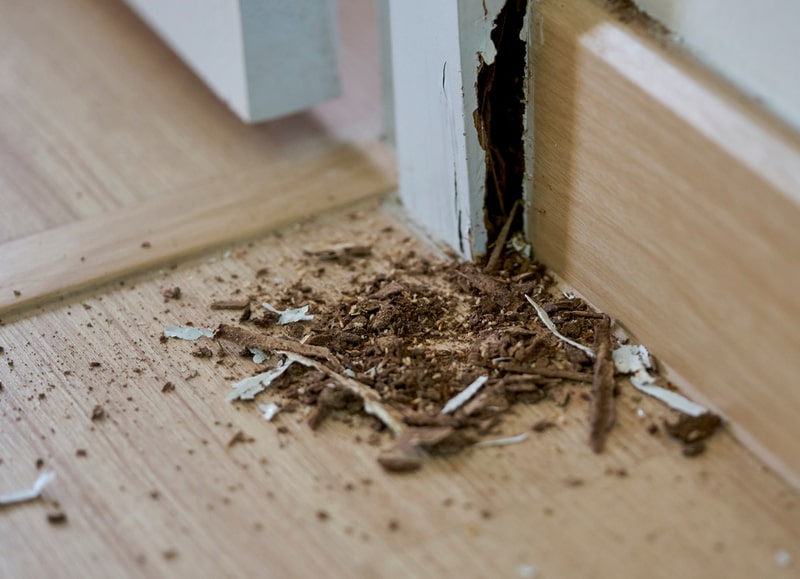
Termites come to your home in search of food, water, and shelter. If you provide them with the perfect combination of conditions that make your property an ideal spot for termites, you’re ripe for an infestation at the hands of these wood-destroying pests.
There are many ways you might unintentionally create optimal conditions for termites, including:
- Stacking firewood directly against your home
- Using untreated wood to create a deck or stairs
- Allowing mulch to come into contact with the foundation of your home
- Not tending to leaky pipes
- Not keeping up with regular termite inspections on your property
And that’s just the tip of the iceberg. There are still even more circumstances out there that can create a hospitable environment for termites. Here’s a more in-depth look:
1. Moisture in your home
Subterranean termites build their colonies in soil and are attracted to moist, undisturbed areas. Leaky pipes and humidity build-up in your home’s crawl spaces are more than just mild issues—they could lead to a devastating termite infestation.
So, if you’re aiming to reduce moisture in your home to help you prevent termites from becoming a problem, be sure to:
- Act on plumbing leaks as soon as possible
- Ensure that your home’s foundation and crawl spaces are properly ventilated
- Trim back or remove any landscaping that could allow for humidity to build up
2. Improper drainage
Excess moisture near the foundation of your home makes it an especially attractive place for termites to forage. To keep the soil next to your home’s foundation as dry as possible, you can:
- Regularly inspect, clean, and repair your gutters
- Promptly fix leaking faucets or pipes
- Divert excess water from your foundation with gutters, downspouts, and splash blocks
- Use lawn sprinklers and irrigation systems in a way that minimizes water accumulation near your foundation
3. Wood and wooden structures that come into contact with your home
Termites feed on cellulose, an essential component of wood. As a result, any wood or wooden structures that serve as a bridge between the ground and your home can create a point of entry for these destructive pests.
To help lessen the odds of termites finding an opportunity to infiltrate your home—especially if your home has wooden siding—ensure that the following are removed or moved away from your home’s foundation or exterior:
- Stumps
- Vines
- Mulch
- Trellises
- Stacked firewood
Note that your roof can also be vulnerable to termite infestation. Trim back any tree limbs that are resting on your roof or touching wooden structures, such as eaves or window framing.
4. Openings in your home’s foundation, roof, walls, etc.
In their search for moisture and food, termites will take advantage of any breach in your home's integrity. Openings in your home can create opportunities for subterranean termites to gather materials for the construction of mud tubes—the tunnels they use to travel while foraging.
Regularly inspect your home's entry doors and windows, and reapply caulk where any might be distressed or missing. Similarly, keep an eye out for:
- Loose seals where electrical conduit or plumbing lines enter your home
- Damaged shingles, fascia boards, or eaves
- Cracks in your foundation’s concrete
If you notice any such damage, have it repaired immediately. Even these minor fixes can help you better defend your home against a termite infestation.
5. Mulch
Another landscaping element that attracts termites is mulch. Made from wood, bark, and other organic matter, mulch can be an excellent source of both food and water for termites.
When your mulch is too close to the foundation of your home, it can create an easy bridge for termites to take advantage of, which can lead to the start of an infestation.
If you do choose to use mulch for landscaping purposes, be sure to keep it as far away from the foundation of your home as possible—at least six inches, but the farther the better. Additionally, pebbles and rocks can be a great alternative to mulch.
6. Geography
Certain states or regions are particularly susceptible to termite infestations. Homeowners in warmer, wetter states—such as those in the Gulf South or South Coast—are in areas of higher termite populations, which results in more frequent infestations. Some states with the highest prevalence of termites include:
- Florida
- Gerogia
- South Carolina
- Alabama
- Louisiana
You can also consult the United States Forest Service’s map of Termite Infestation Probability (TIP) Zones to determine your home’s level of risk to infestation based on local environmental factors.
While certain areas have an increase termite presence, remember that termites are found in every state except Alaska—so don’t let your guard down.
7. No regular inspections
By the time a termite infestation is visible to the human eye, it’s possibly already in full swing. That’s why it’s important to arrange for termite inspections at least once a year—the pros who know what to look for will be more likely to find termites before they have the chance to cause extensive and costly damages to your home.
Remember: even if you take care of all the things that might attract these pests, your house can still end up requiring treatment for termites.
What to do about a termite infestation
If you’re dealing with a serious termite infestation, your best bet to get rid of them is to call in a pest control specialist, especially because DIY methods rarely work against these destructive insects.
Unfortunately, it can be difficult to detect termites in your home. These pests live in dark places and like to stay hidden, but some of the more apparent signs include:
- Hollow or warped wood
- Discarded wings
- Mud tunnels
If you notice any of these more obvious signs of their presence, you should act right away. Luckily, Terminix offers free termite inspections, as well as reliable and targeted treatments using the latest technology. Schedule your free termite inspection with Terminix today.


