
How to identify common types of mice
Content Updated: August 12, 2026
Key takeaways
- Mouse identification starts with recognizing physical features such as a small body, large ears, a pointed snout, and a long, slender tail.
- Common types of mice found in the United States include the house mouse and the deer mouse.
- Mice are primarily nocturnal and may leave signs such as droppings, gnaw marks, scurrying sounds, nests, and a musky odor.
- Understanding the differences between mice vs. rats can help with identification, as mice are smaller with larger ears, pointed snouts, and long, slender tails, while rats have larger bodies, blunter noses, and shorter tails.
- Spotting a mouse in your home may indicate an infestation, making prompt cleanup, sealing entry points, and professional rodent control important next steps.
Jump to section:
What does a common mouse look like?
Common types of mice found in the U.S.
Identifying mice by their behavior
How to tell the difference between mice vs. rats
What to do if you spot a mouse in your house
Mouse identification is an important first step in addressing a rodent problem. Knowing what a mouse looks like, how it behaves, and how it differs from a rat can help you recognize signs of activity and determine next steps. Learn about common types of mice, key physical characteristics, and the differences between mice and rats.
What does a common mouse look like?
Correctly identifying the type of rodent you have is essential, and knowing what a mouse looks like is the first step. Mice typically measure about three to four inches long (excluding their tails) and weigh between 0.5 and one ounce. They can have light brown to dark gray and even white fur in some domesticated varieties. Their tails are as long as their bodies, slender, and covered in a light layer of fur, distinguishing them from rats. Additionally, their large ears and proportionately large eyes, crucial for nocturnal vision, are distinctive features that help with mice identification.
Common types of mice found in the U.S.
The U.S. is home to a wide variety of mouse species, each with its unique characteristics. However, the three most common types of mice found across the country are the House Mouse, the Deer Mouse. Knowing what a mouse looks like is crucial for proper identification, as different species may require varying control methods.
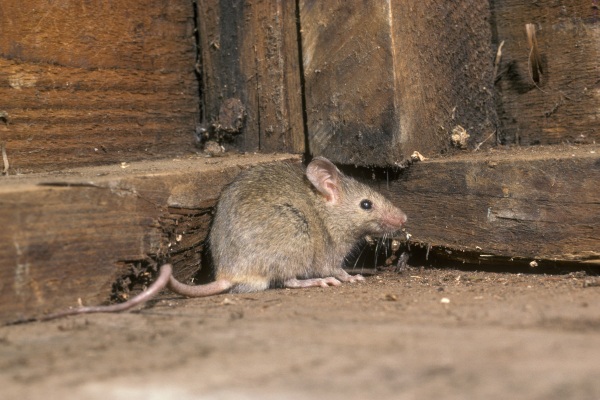
House mouse
A house mouse typically has dusty gray or brownish fur and can measure 2.5 to 3.75 inches long, not including its tail. These rodents are often found near human dwellings throughout the United States.

Deer mouse
Deer mice have a bicolored appearance, with dark brown backs, white bellies, and large, black eyes. They are commonly found in rural and semi-rural areas across most of the United States and prefer outdoor habitats like fields and wooded areas.
Identifying mice by their behavior
Mice, primarily nocturnal beings, exhibit heightened activity during the night as they search for food and materials for their nests. These nests are made from various materials, including paper, insulation, and fabrics, and are situated in hidden areas to evade predators. Common hiding spots within homes include walls, attics, storage boxes, and spaces underneath appliances or furniture. Mice prefer to eat seeds and grains but are opportunistic feeders, consuming nearly any available food. Some common signs of mice include droppings, the sounds of scurrying or gnawing during the night, chew marks, or the musky scent of their urine.
How to tell the difference between mice vs. rats
Telling the difference between mice and rats is crucial for effective rodent control. While both are rodents, they exhibit distinct physical characteristics. Knowing what a mouse looks like compared to a rat can help you identify the pest you're dealing with. Mice are smaller, with larger ears, pointed snouts, and slender bodies. Rats, on the other hand, have larger bodies, shorter tails, and blunter noses. Rats also have larger feet than mice, which is especially obvious in juveniles. Rat droppings are also larger and more concentrated, while mouse droppings are smaller and scattered. Accurate mice identification is essential for selecting the appropriate control methods.

What to do if you spot a mouse in your house
If you've spotted a mouse in your home, it's a strong indication of an existing infestation, as these creatures can reproduce rapidly, making early intervention crucial. To tackle this issue, start with a thorough cleanup, particularly in the kitchen, and seal any potential entryways to stop further invasions. However, contacting pest control professionals like Terminix is highly recommended due to the health risks associated with rodent infestations. Get started with Terminix mice control services today by scheduling an inspection!