How to keep skunks away: Prevention and skunk deterrents
Key takeaways
- Skunk prevention starts with limiting access to food, water, and shelter. Removing attractants and using multiple prevention methods can help make your property less appealing to skunks.
- Eliminate potential den sites by removing yard debris, trimming overgrown vegetation, and securing spaces beneath decks, porches, and sheds.
- Reduce food sources by securing trash and pet food, cleaning up fallen fruit and grill debris, and addressing insect or rodent activity that may attract skunks.
- Motion-activated lights and sprinklers, along with some scents or sounds, may help discourage skunks from digging or creating dens on your property.
- Terminix skunk control experts understand how to keep skunks away and can provide longer-term solutions by identifying entry points, den sites, and attractants around your property.
Jump to section:
Tips to prevent skunks in your yard
How effective are DIY skunk deterrents?
Why you should choose professional wildlife control
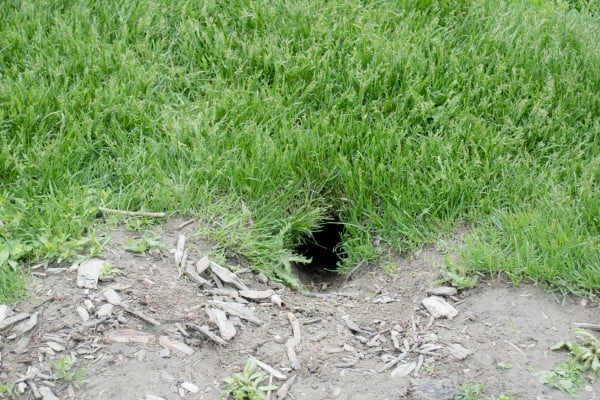
Preventing skunks from becoming regular visitors can help protect your home and yard from lawn damage, unpleasant odors, and other problems. Skunks are nocturnal animals that may leave various signs including holes in your lawn and their distinct spray odor.
However, you don't have to wait for these signs to take action. Understanding how to keep skunks away can help make your property less appealing to them. If skunks are becoming a persistent issue around your property, our skunk control services can help identify what is attracting them and address potential entry points and den sites.
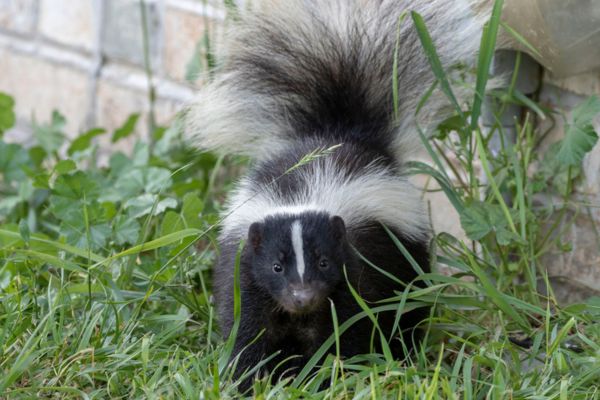
Tips to prevent skunks in your yard
Skunks can be attracted to yards that provide easy access to food, water, and shelter. Removing or limiting these attractants can help make your property less appealing to skunks, though multiple prevention methods may be necessary to help keep them away. The following tips can help you understand how to keep skunks away:

Invest in professional wildlife exclusion
Wildlife exclusion focuses on preventing skunks from accessing areas where they may find food, shelter, or nesting sites around your home. A professional inspection can help identify potential entry points and other vulnerabilities, which can then be secured using pest-proofing techniques and materials such as our Flexi Armour™ products. This approach addresses how skunks are getting onto your property rather than simply removing individual animals.
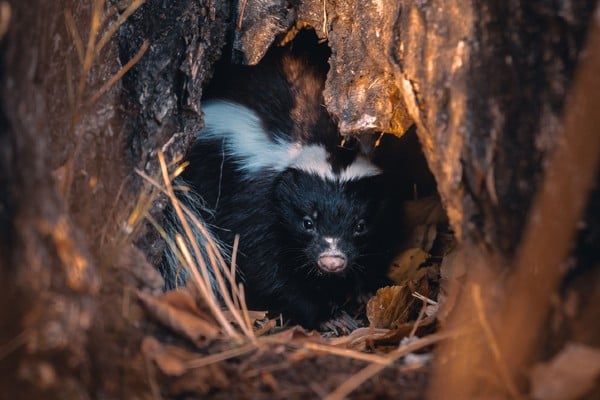
Eliminate possible den sites
Skunks seek out quiet, sheltered areas where they can rest or create dens, including woodpiles, dense vegetation, brush, and spaces beneath decks, porches, and sheds. Reduce potential den sites by removing yard debris, trimming overgrown vegetation, and securing open spaces beneath structures with sturdy, wildlife-resistant barriers.
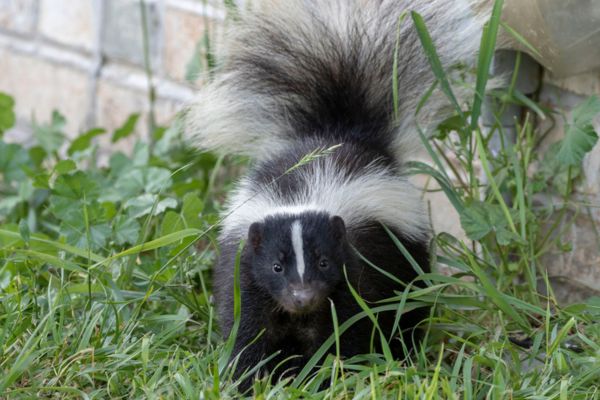
Get rid of bugs and rodents
Skunks may dig in lawns and gardens in search of grubs, insects, and other small prey. You can make your yard less attractive by keeping grass healthy, removing standing water, securing trash and pet food, and addressing signs of insect or rodent activity. If pest problems persist, professional pest or rodent control can help reduce the food sources that can attract skunks.
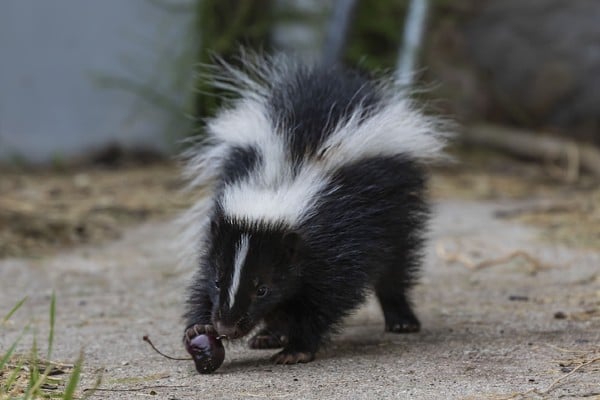
Eliminate food and water sources
One of the best ways to help keep skunks away is to eliminate access to food and water. Store pet food in airtight containers, feed pets indoors, clean up food and grease around grills, secure trash cans, and pick up fallen fruit from trees. Eliminate standing water by emptying birdbaths, draining containers, and repairing leaking outdoor faucets or hoses.
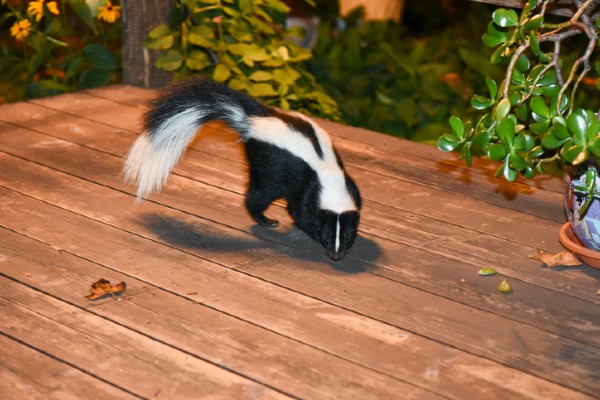
Use light, sound, and scent deterrents
Making your yard less comfortable can help discourage skunks from lingering near your home. Motion-activated lights and sprinklers can startle skunks when they enter an area, while occasional noise or strong scents may also help deter them. These methods are most effective when combined with other prevention measures, rather than used as a standalone solution.
How effective are DIY skunk deterrents?
DIY skunk deterrents may provide temporary relief in some situations, especially when used to make an area less appealing to skunks. However, their effectiveness can vary, and most work best when combined with other prevention measures. Here are some common DIY skunk deterrents and their limitations:
- Homemade traps: Traps may help capture a skunk, but they require proper knowledge, handling, and compliance with local wildlife regulations. Improperly set traps can injure or distress the animal and increase the risk of being sprayed or bitten.
- Natural remedies: Strong scents may help temporarily discourage skunks from using certain areas, but results can vary, and frequent reapplication is often necessary. Some substances, including ammonia, can also be harmful to pets, wildlife, and the environment.
- Ultrasonic repellents: These devices are designed to discourage skunks by emitting high-frequency sounds, but scientific evidence supporting their effectiveness is limited. They may also affect pets and other non-target animals.
- Spicy pepper sprays: Capsaicin-based sprays may temporarily deter skunks by making treated areas unpleasant. However, their effectiveness is not guaranteed; rain can wash them away, and direct exposure may irritate a skunk's eyes or skin.
While DIY deterrents may help temporarily, addressing the conditions that can attract skunks is more reliable.
Why you should choose professional wildlife control
Professional wildlife control can help address skunk activity safely while identifying the conditions that may be attracting skunks to your property. Our experts understand how to keep skunks away.
During an inspection, our professionals will locate potential den sites and entry points, identify food and water sources, and recommend exclusion and prevention measures to help reduce the chance of skunks returning. Schedule your free wildlife inspection today to get started.
Need to get rid of skunks? Get started with Terminix's Wildlife Control Services!