
How to get rid of mice in your attic
Content updated: September 30, 2026
Key takeaways
- Hearing scratching at night, finding droppings, or discovering chewed or displaced insulation indicates a mouse in attic spaces that requires attention.
- Excluding mice involves sealing entry gaps larger than 1/4 inch using copper mesh, caulk, concrete mortar, or heavy hardware cloth.
- Trimming tree limbs 6 feet back prevents a mouse in attic areas from using overhanging branches as bridges to your roof.
- Proper sanitation, storing food in airtight containers, and setting snap traps with peanut butter or chocolate help reduce rodent attractants.
- When home remedies fail, a Terminix technician can professionally inspect your property, identify concealed entry points, and help keep your property protected.
Jump to section:
How to spot signs of mice in the attic
Tips to help get rid of mice in your attic
Will mice leave the attic at night?
How to know when you need professional mouse control
Worried about a mouse in the attic? Mice are far more than a simple nuisance; they eat and contaminate food while causing serious structural damage. These pests readily chew through and contaminate insulation with urine and droppings, damage paper goods, clothing, and tunnel through AC ductwork, damage electrical wiring, which poses a severe fire hazard. They can also carry bacteria that cause dangerous diseases such as Salmonella poisoning.
While seeing a single mouse might seem minor, even two mice can quickly turn into a full-blown infestation given their rapid breeding habits. Knowing how to spot the warning signs and taking quick action with mice control can help protect your home.
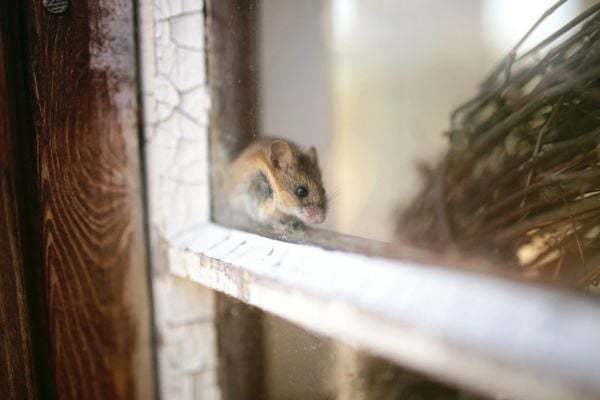
How to spot signs of mice in the attic
Detecting signs of a mouse in attic spaces early helps you contain the problem before population numbers explode. Even if you only see one or two rodents, it often indicates a larger nest hidden nearby. Successful removal starts with recognizing their habits and physical signs.
Listen for mice in the attic
Mice are nocturnal, meaning you are most likely to hear them late at night when the rest of the house is quiet. Listen closely for scratching, pitter-patter sounds, or gnawing coming from the ceiling. However, if you don’t hear noise, don’t assume your home is clear. When mice are being "quiet as a mouse," they can navigate insulation without making a sound.
Inspect your attic
When inspecting or cleaning an attic space, always prioritize safety. Wear protective gear, including rubber gloves and a dust mask or respirator, to avoid inhaling disturbed droppings, dust, or pathogens.
Look for these signs of mice in the attic:
- Urine-stained areas along beams or insulation.
- Mouse droppings, which appear as trails of tiny, dark, rice-sized pellets.
- Mouse sebum or grease marks on tracks, pipes, wood, and pathways
- Mouse nests built from shredded paper, fabric, or fibrous materials are tucked in secluded corners.
- Mouse hallways are formed by shallow (1- to 2-inch) tracks along insulation surfaces.
- Mouse burrows, which present as 1-inch entry holes dipping directly into the insulation.
- Chewed items, including cardboard storage boxes, plastic totes, or stored clothing.
Tips to help get rid of mice in your attic
Wondering how to get rid of mice in attic spaces for good? A combination of exclusion, sanitation, and trapping is key to successful long-term mice in attic removal.
Identify and seal entry points
Examine your home thoroughly to discover how rodents are entering. Start at the exterior ground level and work your way up to the roofline. A mouse can enter through openings as small as ¼ inch, including:
- Openings around utility lines, water pipes, and dryer vents
- Cracks in foundations, loose siding, and gaps around doors or windows
- Soffit vents, roof ridge gaps, and unscreened attic vents
Seal any opening larger than ¼ inch. Use caulk paired with copper mesh to plug smaller gaps. For larger holes, use concrete mortar, sheet metal, or heavy-gauge hardware cloth to patch the bigger openings. If you use plastic, wood, or other chewable materials, the mice will get into the attic again. Be sure windows, doors, and screens fit tightly. Use weatherproofing strips around loose-fitting doors to keep the mice out.
Landscape carefully
Trim tree branches and tall bushes at least six feet back from your home’s exterior. Mice are agile climbers and can jump distances up to 18 inches horizontally, using overhanging limbs as bridges straight onto your roof ridge or eaves.
Mouse-proof your food storage areas and remove attractants
Mice have an acute sense of smell and can easily locate food sources across long distances. Store dried grains, pet food, and pantry items in metal canisters or glass jars with airtight lids. Remove nesting materials from the attic, such as exposed cardboard boxes, piles of old newspapers, unsecured fabric, and loose insulation.
Traps, bait stations, and other mouse removal methods
Trap mice in the attic using snap traps or live traps. Don’t use cheese as bait because it goes rancid too quickly. Instead, use peanut butter, bacon, or chocolate as bait. Set the triggers lightly so the traps will spring easily. Check the traps daily to dispose of dead mice and replace the bait. Wear rubber gloves and a dust-filtering mask or respirator when handling dead mice to avoid contact with disease-causing organisms.
Enclosed tamper-resistant bait stations contain rodenticide combined with food attractants. While effective, using chemical bait inside an attic carries risks: rodents may die inside wall voids, leading to an unpleasant smell of dead mice. Additionally, rodenticides can pose toxic risks to pets and children if improperly handled.

Will mice leave the attic at night?
Mice frequently leave the attic at night to search for food and water throughout other parts of your home, including kitchens and pantries. They use wall voids, pipe openings, and wire channels as hidden highways to travel freely between floors.
You can tell if mice have abandoned or left your attic space by placing a thin layer of flour or talcum powder along suspect pathways. If no new tracks or fresh droppings appear after several nights, the activity has likely ceased.
How to know when you need professional mouse control
Persistent activity, noise, or failing DIY traps are clear indicators that an infestation has outgrown home remedies. If you continue to see fresh droppings or hear activity overhead, it is time to seek professional intervention.
When DIY efforts fail, trust a professional to get rid of mice in the attic. You can schedule a free mouse inspection with Terminix to have an expert inspect your property, identify subtle entry points, and secure your exterior to prevent future visits. Learn how to get rid of mice by contacting the experts today.