Content updated: September 16, 2026
Key takeaways
- Zika and Chikungunya are mosquito viruses primarily spread by Aedes mosquitoes, which are becoming a greater concern as travel and weather patterns change.
- Zika may cause fever, rash, joint pain, and red eyes, while Chikungunya is known for sudden fever and severe joint pain.
- Aedes mosquitoes can thrive in backyards, breeding in small amounts of standing water and biting aggressively during the day.
- To help prevent the risks associated with mosquito viruses, eliminate standing water, stay informed about local mosquito activity, and utilize professional mosquito treatments to create a barrier zone.
Jump to section:
Understanding the Zika and Chikungunya viruses
Why Aedes mosquitoes are a unique threat to backyards
Essential steps to reduce mosquito breeding grounds
Professional mosquito barrier treatments for at-home protection
As global travel and shifting weather patterns are changing where mosquitoes can survive and spread, diseases once associated primarily with tropical regions are becoming a greater concern in the United States. Zika and Chikungunya are two mosquito viruses spread primarily by the invasive Aedes mosquito species. This mosquito can transmit these diseases through its bites. Understanding how Zika and Chikungunya spread, their symptoms, and the risks they pose can help you take steps to protect yourself and your community.
Understanding the Zika and Chikungunya viruses
Zika and Chikungunya are two diseases caused by mosquitoes that originated in tropical regions of Africa and Asia, where they circulated primarily among mosquitoes and animal hosts for decades. Global travel eventually helped both viruses reach new parts of the world.
Zika outbreaks in the U.S. in 2015 and 2016 led to a sharp increase in travel-associated cases, along with transmission in Florida and Texas.1 Chikungunya followed a similar path: after local transmission was first identified in the Caribbean in late 2013, cases appeared among U.S. travelers and local transmission was reported in Florida and Texas in 2014.2
While Zika and Chikungunya are well-known mosquito viruses, they are less familiar to U.S. residents than other diseases, such as West Nile virus. West Nile virus is more widespread and one of the most common mosquito-borne diseases in the country, while Zika and Chikungunya are more often associated with travel outside the U.S.
Zika virus symptoms and transmission
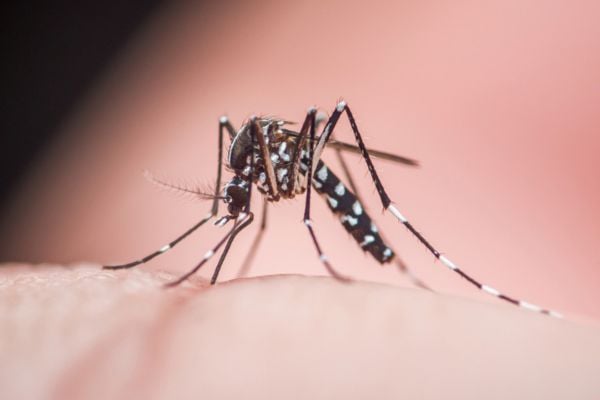
Zika is primarily spread by infected yellow fever mosquitoes (Aedesaegypti) and Asian tiger mosquitoes (Aedesalbopictus). These mosquitoes can bite during the day or night. Many people infected with Zika virus have no symptoms. When symptoms do occur, they’re usually mild and may include:
- Low-grade fever
- Rash
- Joint pain
- Red eyes
Symptoms typically appear a few days after infection and can last several days to about a week. Most people recover without specific medical treatment.
Zika can spread through the bite of an infected mosquito, but it can also be passed through sex. A pregnant person can also pass the virus to their fetus during pregnancy or to their baby around the time of birth. While Zika infection is usually mild, infection during pregnancy can cause serious congenital disabilities. Because of this risk, Zika is especially concerning for people who are pregnant or planning to become pregnant.
Chikungunya virus symptoms and transmission
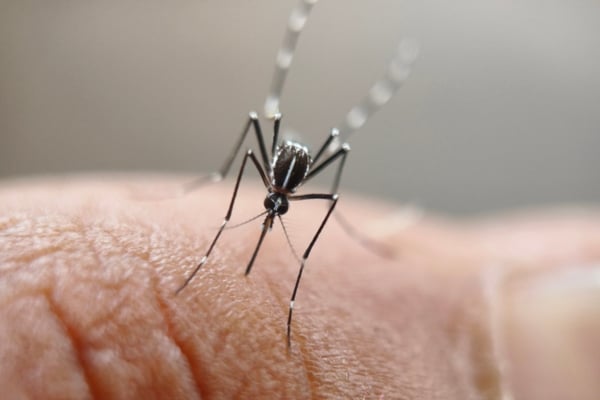
Chikungunya is another mosquito virus primarily transmitted by infected yellow fever and Asian tiger mosquitoes. The virus spreads when an infected mosquito bites a person, or when a mosquito picks up the virus by biting someone who is already infected. The mosquito can then transmit the virus to another person through a bite.
Chikungunya typically begins with a sudden fever and severe joint pain, which can be debilitating. Other symptoms can include:
- Headache
- Muscle pain
- Joint swelling
- Rash
Most people begin feeling better within a week, and the acute symptoms typically resolve within 7–10 days. However, the joint pain can linger for months, and in some cases, years. There is no specific medicine that cures Chikungunya, so treatment focuses on rest, fluids, and managing symptoms.
Why Aedes mosquitoes are a unique threat to backyards