
How to handle termites in firewood piles
Contributed by: Doug Webb
Updated on: April 15, 2025
Outdoor firewood offers insects a trifecta of food, water, and shelter. Termites in firewood are relatively common, and if you aren’t aware that termites are in your wood pile, they can unknowingly be transferred inside. Their activity in firewood tends to peak in the warmer months when they swarm and lay eggs. To prevent an accidental infestation, it’s essential to know the signs of termites in firewood, what to do with infested firewood, and how to get rid of termites.
Signs of termites in wood piles
Termites like firewood because it provides a moist shelter and an abundance of cellulose to eat. The main termite colony containing the queen is in the soil, but the workers can tunnel into firewood and feed on it. Termites do not normally make the firewood unusable in a normal season but can use the firewood as a bridge to get into the house, especially if it is left unattended and unused. Before you bring firewood inside, there are two simple ways to check for termites in wood piles.
Holes in clusters: Termites burrow deep into firewood, eating the wood fibers (cellulose) and leaving behind holes as they go. These holes can appear as dark spots on the surface and are about the size of a pinhead.
Mud tubes and swarmers: To confirm if these holes are due to termites, look for mud tubes or watch for termite swarmers coming out of the wood pile. You can attempt to break open a mud tube to see if you spot any white worker termites, which would signify that the tube is still active.
The bug activity you see around your firewood could also be carpenter ants or wood-boring beetles instead of termites. Unlike termites that feed on firewood, carpenter ants, cockroaches, and some species of beetles can be found nesting in firewood.

How to save wood that has termites
To get rid of termites in firewood, there are a few things you can do. You can try moving termite-infested wood away from the foundation of your home and to an elevated position off the ground, as the termites will die when they lose contact with their colony and the moisture source in the ground. However, if the termites can no longer access the wood from their underground burrow, they may look for food elsewhere.
However, in most cases, badly infested firewood is best disposed of by burning it safely in an outdoor fire pit or throwing it away with the garbage.
Can I burn firewood with termites in it?
Yes, you can burn firewood with termites if you have not treated it with any insecticides. Insecticides can produce toxic fumes if they burn, so it can be hazardous to burn treated wood.
If you bring infested firewood into your home and allow it to sit unused for too long, you may risk an infestation in your home. We do not recommend bringing infested firewood indoors.
How to dispose of termite-infested wood
It's best to store firewood at least a few feet away from the foundation of your home, as termites in firewood can eventually make their way inside. If your city or community ordinances allow it, burning the infested logs in a safe, outdoor location on your property is also an option, as long as you know the wood has not been sprayed with an insecticide. Should you find evidence of termites in firewood in or near your home, contact Terminix for a termite inspection.

How to store firewood to help keep termites out
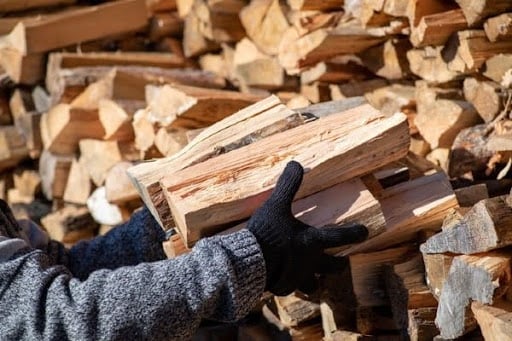
Storing your firewood properly is one of the best ways to prevent termites from entering your home. Additionally, when dealing with firewood outside, you should always wear gloves as black widows, centipedes, and other biting insects often take shelter in wood piles.
Keep firewood off the ground
Storing firewood elevated and off the ground can help keep it safe from termites. Elevated storage prevents easy access to cellulose sources and keeps wood drier, deterring moisture-loving termites.
Don't let firewood touch your house
Avoid letting firewood touch your house, which can create a bridge from the termite nest to your home's foundation, causing potential damage or an infestation. Keep firewood piles at least one to two feet away from the house, with a larger pile about 30 feet away.
Keep the firewood dry
To deter termites, dry firewood thoroughly before storage. Allow freshly cut wood to season for at least six months in a sunny, well-ventilated spot. Dry wood burns more effectively.
Consider the following tips when selecting firewood from your supply to reduce the risk of attracting termites to your home.
Use the oldest wood first. The older the wood, the more likely there could be a termite infestation. To easily access older logs, avoid stacking new wood on top of old wood and working the wood pile from side to side instead of top to bottom.
Cover your wood during the summer and fall. This will keep it drier and help discourage termites and other pests from using it as an overwintering site.
Shake, jar, or knock logs together to dislodge insects and brush off any obvious insect structures, such as webbing or cocoons, before bringing them inside.
Whether termites have infested your home or you’re looking to take all precautionary measures, our technicians can help! They can find signs of termite activity by conducting a multi-point inspection, creating a tailored treatment plan, and recommending prevention strategies. Schedule an inspection to get started.
Termites in firewood FAQs
Can you smoke out termites?
Smoking out the termites is not a safe option and does not work. If you try to smoke them out of a tree or stack of firewood outdoors, you may have a potential fire hazard on your hands, and it is unlikely to affect the termites at all.
Does charring wood prevent termites?
No, charring the surface of your firewood does not affect the termites' ability or desire to infest the wood. Termites seek out the cellulose found inside the wood fibers. Charring only affects the outermost layer of firewood. The best way to get rid of termites in a log of firewood is for the wood to be completely consumed by flames.
Should I worry about termites in my firewood?
Termites will die if they are separated from their colony and their queen, who typically lives underground in the case of subterranean termites. New firewood that shows signs of termites is not usually a problem because the termites have recently separated and may die on their own. However proper storage of new firewood, away from your home, is key to preventing infestations. Old wood that shows signs of termites may be a cause for concern.
Termites in firewood FAQs
Yes, you can still burn firewood infested with termites, so long as you have not treated it with any insecticides. However, if you bring infested firewood into your home and allow it to sit unused for too long, you may risk an infestation in your home. Do not bring any potentially infested firewood indoors unless you intend to use it within one to two days.
You can try moving termite infested wood to an elevated position off the ground, as they will die when they lose contact with their colony and their moisture source in the ground. If the termites can no longer access the wood from their underground burrow, they may look for food elsewhere. In most cases, firewood that is badly infested is best disposed of by burning it safely in an outdoor fire pit or throwing it away with the garbage.
Smoking out the termites is not a safe option, and does not work. If you try to smoke them out of a tree or stack of firewood outdoors, you may have a potential fire hazard on your hands.
No, charring the surface of your firewood does not affect the termites' ability or desire to infest the wood. Termites seek out the cellulose found inside the wood fibers. Charring only affects the outermost layer of firewood. The best way to get rid of termites in a log of firewood is for the wood to be completely consumed by flames.
Termites will die if they are separated from their colony and their queen, who typically lives underground in the case of subterranean termites. New firewood that shows signs of termites is not usually a problem because the termites have recently separated and may die on their own. Old wood that shows signs of termites may be a cause for concern. Learn more about termite infestations.