Commercial
Bird nest removal tips for businesses
Content Updated: November 3, 2026
Key takeaways
- Commercial bird nests can pose serious health and safety risks, including structural damage, fire hazards from blocked vents, and exposure to airborne pathogens.
- Federal laws such as the Migratory Bird Treaty Act protect many bird species, making legal compliance essential before attempting to remove any bird nest.
- Professional bird nest removal includes surface sanitation, biohazard disposal, and the use of personal protective equipment to isolate contaminants and disease-bearing parasites.
- Structural exclusion measures, such as installing bird spikes, netting, and sealing gaps in buildings, can effectively deter returning birds from nesting on your property.
- Partnering with Terminix can help protect your business through customized bird-control solutions and compliant nest-removal services.
Jump to section:
Steps for removing a bird’s nest
Deterring future bird nestings
When to call for professional help
The word "pest" is not always synonymous with birds, but when flocks damage your commercial facility's roof, company vehicles, or architectural exterior, you may make an exception. If nesting activity is disrupting daily operations, you are likely evaluating your options for bird nest removal.
Nesting birds can create significant risks for businesses. Beyond causing noise disruptions, their nesting materials can block stove vents, dryer vents, and HVAC intake systems, creating fire hazards and severe airflow restrictions. Accumulated debris can also clog gutters and drainage systems, leading to costly water damage. Additionally, bird droppings contain corrosive uric acid that can damage structural steel, paint, and outdoor assets.
If you are considering how to get rid of a bird's nest from your commercial site, you must evaluate the legal and health risks involved. Implementing professional commercial bird control is critical to protecting your facility, employees, and customers while remaining compliant with environmental laws.

Check your local regulations
Bird control is not as simple as just trying to figure out how to get rid of a bird's nest. Many species are protected under the Migratory Bird Treaty Act, which makes it illegal for anyone to take, possess, import, export, transport, sell, purchase, barter, or offer for sale, purchase, or barter, any migratory bird, or the parts, nests, or eggs of such a bird except under the terms of a valid permit issued pursuant to Federal regulations.
Unless you’re an expert, it’s unlikely you’ll be able to distinguish protected birds from others, so it’s always recommended that you leave any bird nest removal to professional wildlife control like Terminix.
Wear proper protective gear
In addition to federal laws, bird nests can pose health risks. Birds and their nesting materials can carry pathogens that cause diseases such as Histoplasmosis, Psittacosis, and Salmonellosis. Nests can contain mites, parasites, ticks, and other pests carried on the birds themselves, and are likely to remain long after the birds have left. It’s also probable that the nests will contain droppings, which amplifies the risk of handling.
When professional technicians perform a removal, they utilize commercial-grade Personal Protective Equipment (PPE), including:
- HEPA-filtered respirators (N95 or higher) to prevent inhalation of airborne spores and particulate matter.
- Heavy-duty gloves to block skin contact with pathogens.
- Full-body protective suits to prevent cross-contamination of clothing.
- Protective eye wear and face shields to guard against falling debris.
Steps for removing a bird’s nest
Birds construct nests to provide a safe, climate-controlled space for laying eggs. Their choice of nesting site depends on environmental variables such as species' habits, temperature, humidity, and predator protection. While wild species use trees or shrubs, urban pest birds target building ledges, exterior walls, signage, eaves, and roofs.
Removing a nest from commercial infrastructure requires specialized structural adjustments depending on its location:
- HVAC and dryer vents: Commercial facilities like hotels and multi-family housing must carefully clear vent obstructions using specialized mechanical brushes to avoid pushing material deeper into the ductwork.
- Gutters and roof drains: Warehouses and industrial sites require clear drainage. Nests must be extracted cleanly to prevent loose debris from washing down the downspouts and causing interior flooding.
- Eaves and wall ledges: High-reach structures common in retail centers require lift equipment and safety harnesses to clear perches safely.
- Chimneys and flues: Industrial manufacturing plants and historic commercial buildings require specialized dampers and flue caps to extract nests without dropping debris into burner assemblies.
Ensure the nest is inactive
The ideal time to get rid of bird nests is during the early construction phase, before eggs are laid. In some cases, if eggs or chicks are already present, the nest is active and cannot be moved or destroyed by law.
To determine if a nest is inactive, look for these key indicators:
- Absence of adult birds flying to and from the site for several consecutive days.
- No audible chirping from hatchlings.
- Absence of fresh droppings around or directly beneath the nest site.
Monitor the nest carefully for 7 to 10 days. Adult birds frequently leave nests unattended for extended periods to forage, cool the eggs, or avoid human activity. Eggs remain viable for up to two weeks before active incubation begins, so sporadic presence does not mean a nest is abandoned. If the nest remains active, you must wait until the nesting cycle completes before removing it.
Wait until after nesting season
Most birds only nest once a year, but some species can have between 4 and 5 nests per year. Timing varies based on the nuisance bird species invading your property:
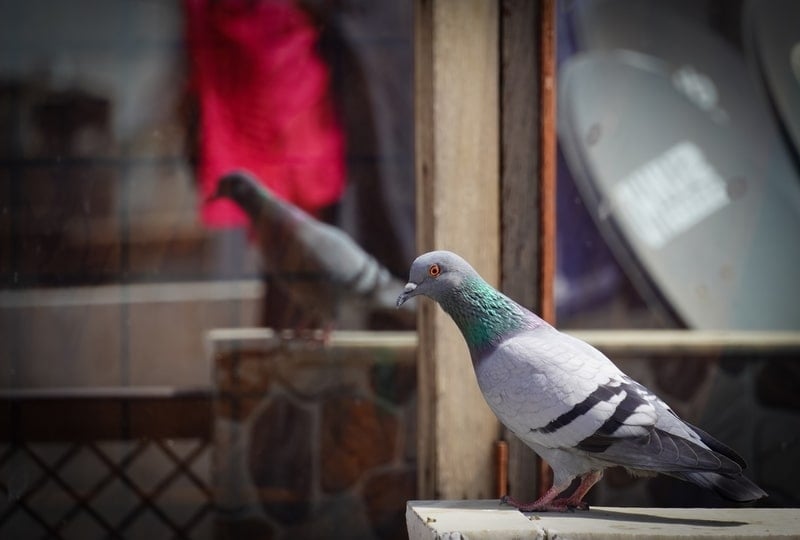
- Pigeons: Nest year-round in temperate environments, producing up to 5 to 6 broods per year.
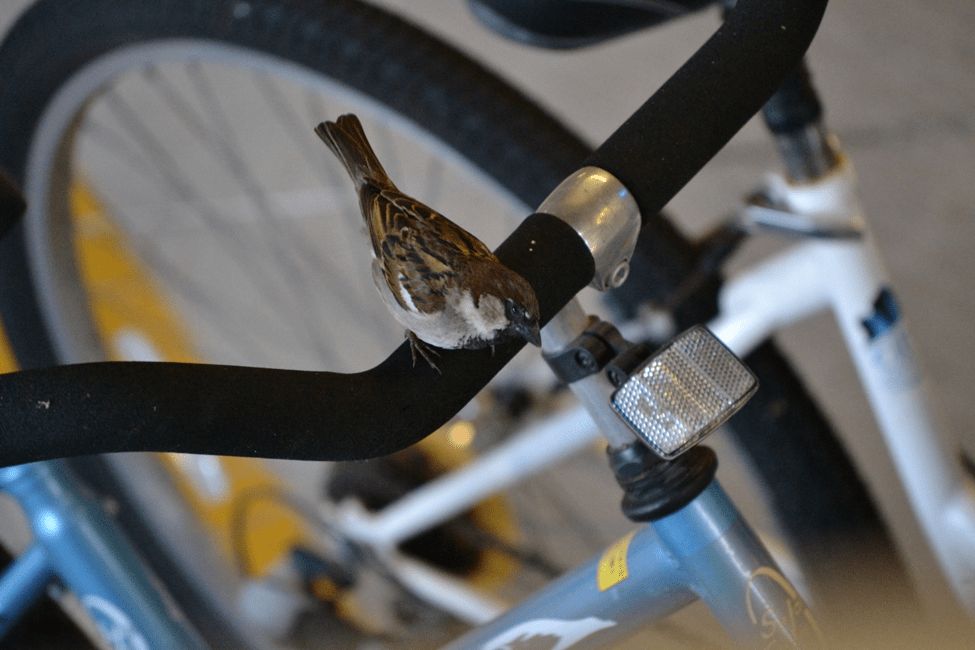
- House sparrows: Active spring through late summer (March to August), typically rearing 3 to 4 broods.
- Starlings: Primary nesting occurs between April and July, with 1 to 2 broods typically produced.
- Gulls: Nesting season typically runs from April through July, with 1 brood per year.
Sanitize the nest
Before physical removal begins, technicians sanitize the nest and immediate surrounding surfaces with a commercial-grade broad-spectrum disinfectant. Misting the material with a specialized biohazard spray controls airborne dust, neutralizes active bacteria and fungi, and knocks down parasitic bird mites before the structure is disturbed.
Remove the nest
For bird nest removal, our technicians will:
- Carefully detach the nesting material using specialized scrapers or hand tools.
- The debris is immediately placed into double-bagged, heavy-duty hazardous waste bags to isolate contaminants.
- The waste is sealed and disposed of in accordance with local municipal biohazard waste guidelines.
- The structural surface is thoroughly scrubbed, disinfected, and dried to eliminate scent trails that attract returning birds.
Deterring future bird nestings
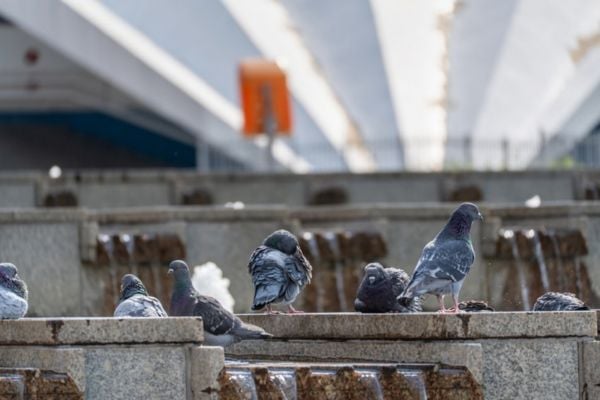
Once a nest is removed, birds will return to the same location unless structural modifications are made. You can integrate these commercial bird exclusion measures to help protect your property:
- Install spikes and wire systems: Mount stainless steel spikes or spring-tensioned wire along ledges, rooflines, and parapets to eliminate landing sites.
- Apply bird netting: Seal off open structural spaces, such as loading docks, canopies, and HVAC alcoves, with durable netting.
- Seal cavities and openings: Block exterior wall gaps, broken soffits, and exposed pipe entry points using heavy-duty hardware cloth or silicone sealants.
- Install eave panels: Place smooth bird slides at 45-degree angles along ledges to prevent birds from establishing a flat grip.
- Implement broader pest control: Eliminate underlying food and water attractants by implementing broader commercial pest exclusion strategies across your property.
When to call for professional help
Managing bird infestations on a commercial property can present unique structural and legal challenges. You should contact a professional commercial pest control provider when:
- Nests are located in high-reach, hazardous areas such as roofs, signage, or light poles requiring specialized lifts.
- Nests are clogging critical utility systems, such as exhaust vents, chimney flues, and HVAC units.
- The birds are a protected migratory species that requires legal permits for management.
- You are dealing with large-scale infestations causing ongoing property damage or health hazards to staff and customers.
Contact Terminix today or request a quote to implement customized, effective bird control solutions.