
What are the early signs of bed bugs?
Contributed by: Tim Best
Content Updated: January, 29, 2026
Key takeaways
- Bed bugs are often difficult to spot at first. They are master hitchhikers that reproduce quickly, so recognizing early signs of their presence is essential.
- Early signs of bed bugs can include itchy red bites, blood stains on your bedding or clothes, fecal spots, bed bug shells or molted skins, bed bug eggs, a musty odor, and live bed bugs.
- Check for early signs of bed bugs in bedding, mattresses, and box springs, as well as on bed frames and headboards, upholstered furniture, along baseboards, and under wallpaper and/or wall paneling.
- If you spot early signs of bed bugs in your home, a thorough cleaning can help, but calling a bed bug control expert, like Terminix, is recommended.
Jump to section:
- What is a bed bug infestation?
- What are the signs of bed bugs?
- How to check for bed bugs
- Tips to help prevent bed bugs
- What to do if you see signs of bed bugs
The early signs of bed bugs are often subtle and easy to miss, especially if you’ve never dealt with these tiny pests before. Bed bugs are small, quiet, and skilled at hiding, which allows them to spread before homeowners realize there is a problem. Understanding how bed bugs behave and knowing what to look for can help you take action sooner with the help of Terminix Bed Bug Control.
What is a bed bug infestation?
A bed bug infestation begins when bed bugs enter a home and start feeding and reproducing. Seeing a single bug may not seem serious, but bed bugs multiply quickly once they find a reliable food source. After feeding, a female can lay one to seven eggs per day under ideal conditions, which is why noticing the early signs of bed bugs is crucial.
Bed bugs are also known for their ability to travel easily. They move from place to place by hiding in luggage, clothing, bags, and used furniture. This is how bed bugs spread into homes, hotels, and apartments. If even one pregnant female is introduced indoors, the population can grow rapidly. Over her lifetime, she may lay hundreds of eggs, turning a minor issue into a widespread bed bug infestation if left untreated.
What are the signs of bed bugs?
Recognizing the signs of bed bugs early can make a big difference in how manageable the problem becomes. Bed bugs spend most of their time hidden, so you are more likely to notice their signs than the bugs themselves at first. These signs often appear near sleeping or resting areas, where bed bugs are most active.
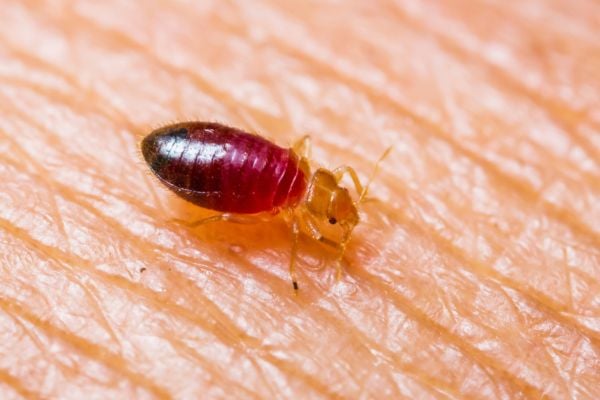
Bed bug bites
For many people, the first noticeable sign is the presence of bed bug bites. Bites often appear as small, red welts on exposed skin and may form straight lines, zigzag patterns, or clusters. Some people develop itchy spots or a rash, while others have little to no reaction at all. Because reactions vary, bites alone are not a reliable way to confirm bed bugs, and you should always seek medical attention for proper diagnosis.
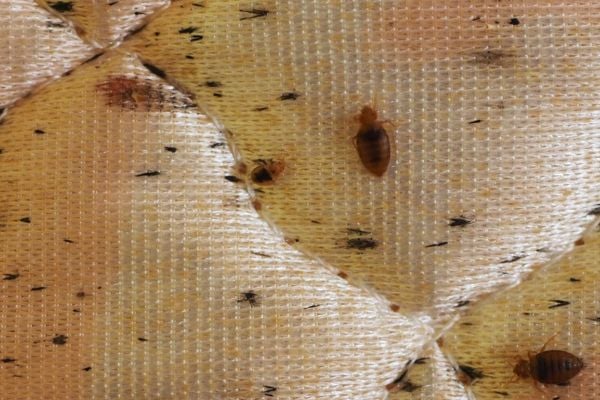
Blood stains
Because bed bugs feed on blood, small blood stains may appear on sheets, pillowcases, or pajamas after they have fed. These stains often appear as tiny, rust-colored or reddish spots and are commonly found near where you sleep. When blood stains appear along with other signs, they can be one of the early signs of bed bugs in the home.

Fecal spots
Bed bug droppings are small waste spots left behind as bed bugs move and feed in an area. Bed bug droppings, or fecal spots, differ from blood stains. Since bed bugs feast on the blood of their hosts, the fecal stains from the insects may be tinged with the color of blood. Fecal spotting tends to resemble a felt-tipped black marker on fabric and raised bumps on solid surfaces that are dark brown or even black.
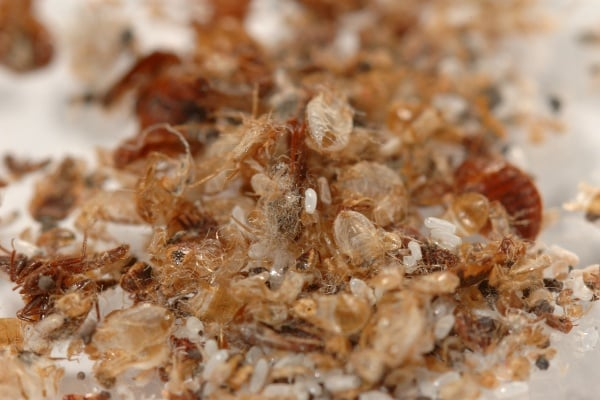
Bed bug shells or molted skins
As bed bugs grow, they shed their outer skin multiple times. These pale, translucent shells are shaped like the bug itself and are often found near hiding spots. Finding molted skins means bed bugs are actively growing and feeding in the area. Larger numbers of shells can indicate the infestation has been present for some time, even if you are just starting to notice the signs.
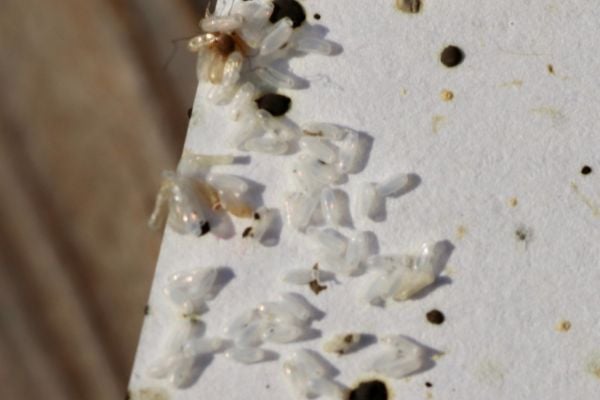
Bed bug eggs
Spotting bed bug eggs is another clear sign of activity. Bed bug eggs are tiny, pearly white, and often laid in clusters inside cracks or tight spaces. Eggs can hatch in one to two weeks, and newly hatched bed bugs begin feeding almost immediately. Due to their size and location, eggs can be easily overlooked during routine cleaning.

Unpleasant, musty odor
In more established infestations, bed bugs may produce a noticeable musty odor. This smell comes from scent glands and tends to grow stronger as the number of bed bugs increases. While odor is less common in early stages, recognizing it alongside other signs can help confirm a growing problem.
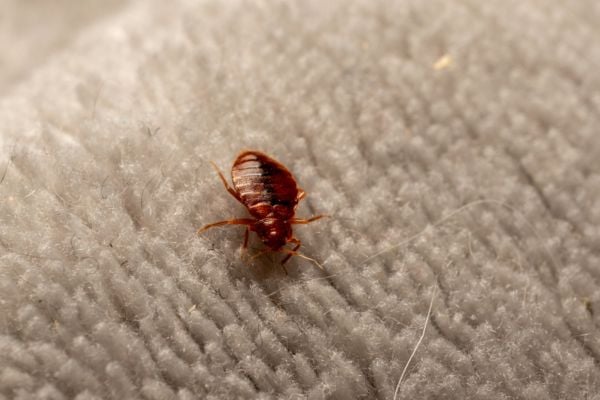
Live bed bugs
Seeing a live bed bug is one of the most direct signs of a bed bug infestation. Adult bed bugs are flat, oval-shaped, and about the size of an apple seed. They are reddish-brown and may appear swollen after feeding, which can cause confusion with other small insects. Proper bed bug identification helps distinguish them from lookalike pests.
How to check for bed bugs
Bed bugs are attracted to warmth, carbon dioxide, and human scent, which explains what attracts bed bugs to sleeping and resting areas. When looking for early signs of bed bugs, start by checking areas where people spend extended periods of time. Bed bugs prefer to stay close to their food source, but over time, they can spread to other parts of the home. Carefully inspect these areas throughout your house:
- Mattresses and box springs, especially seams, tags, and corners
- Bed frames and headboards, including joints and cracks
- Bedroom furniture, such as nightstands and dressers
- Couches, recliners, and other upholstered furniture
- Baseboards, carpet edges, wall corners, and loose wallpaper
Because bed bugs are small and excellent at hiding, it can be difficult to confirm an infestation on your own, particularly in the early stages of a bed bug infestation.
Do I need to check myself for bed bugs?
Bed bugs do not live on the human body and do not stay attached like ticks. Instead, they hide in nearby cracks of furniture and come out to feed before returning to their hiding spots. Bites are more likely to appear on exposed skin such as arms, legs, neck, and shoulders.
If you are unsure whether marks are caused by fleas or bed bugs, or another pest, checking your bed, furniture, and surrounding areas for physical signs is more helpful than inspecting your body alone. The best way to confirm a pest bite is to see the physical pest or to visit a medical professional for a proper diagnosis.
Tips to help prevent bed bugs
While no prevention method is guaranteed, building good bed bug prevention habits can help lower your risk. Staying alert and reducing hiding spots can limit the chance of bed bugs settling in your home. Here are some tips you can take to help prevent bed bugs:
- Inspect secondhand furniture before bringing it inside
- Reduce clutter around beds and seating areas
- Use mattress and box spring encasements
- Check luggage after travel and wash clothing promptly
- Vacuum regularly around furniture and baseboards
- Regular bed bug inspections from a professional
Tips to help prevent bed bugs from traveling home with you
Bed bugs are expert hitchhikers. They can cling to luggage, clothes, or bags and quietly travel home with you.
What to do if you see signs of bed bugs
Many homeowners also wonder, are bed bugs dangerous? While they are not known to spread disease, ongoing infestations can cause repeated bites, skin irritation, and sleep disruption, so it’s crucial to treat them if you notice early signs. Some common DIY bed bug control methods include:
- Washing and drying bedding on high heat can kill bed bugs and eggs on washable items only, but not those hiding in walls or furniture.
- Vacuuming mattresses and furniture helps remove some visible bed bugs and debris, but can miss deep hiding spots and eggs.
- Using store-bought sprays or powders often kills bed bugs only on contact, allowing hidden bed bugs to survive and reproduce.
- Throwing away infested items rarely solves the issue on its own and may spread bed bugs during removal.
Because bed bugs hide well and multiply quickly, DIY efforts can provide short-term relief but rarely eliminate bed bugs completely. A Terminix bed bug inspection can help confirm the extent of the problem and determine the most effective next steps. Schedule a free bed bug inspection today!