
Ways to help avoid and prevent bed bugs
Bed bugs are small, flat insects that feed on human blood. While they don't transmit disease, their bites can be bothersome, and infestations can be stressful. Bed bug prevention is important because these pests can cause significant discomfort and health issues. Luckily, there are steps you can take to help prevent these pest hitchhikers from taking up residence in your home.
This guide will explore simple yet effective strategies on how to prevent bed bugs. If you suspect you may have an infestation, a pest control professional can identify and help eliminate bed bugs using targeted treatments.

Know how to spot bed bugs
Recognizing bed bugs and their signs can help stop small infestations before they spread throughout your home. Knowing how to find bed bugs can also help you understand how to avoid bed bugs. To begin, you should conduct a thorough inspection of your home, including:
1. Bedding and mattresses: Check seams, folds, and crevices of mattresses, box springs, headboards, and bed frames.
2. Furniture: Inspect upholstered furniture, including sofas, chairs, and cushions, paying attention to seams, tufts, and folds.
3. Carpets and rugs: Examine along baseboards, under carpets, and in any cracks or crevices.
4. Walls and ceilings: Check behind peeling wallpaper and picture frames, cracks or holes in walls, and around electrical outlets.
5. Clothing and personal belongings: Look in closets and drawers, especially where clothing or linens are stored.
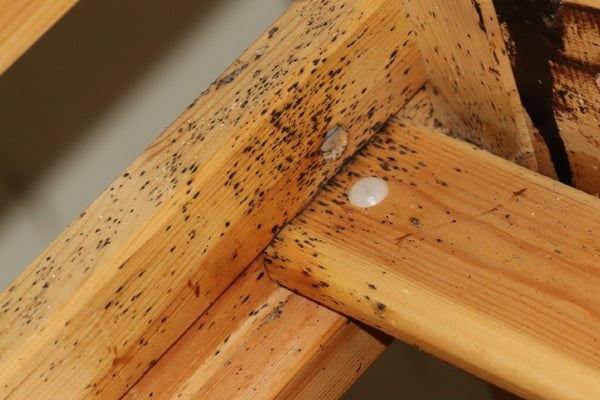
When inspecting, look for live bed bugs, shed skins, fecal stains (dark spots resembling ink stains), and eggs (tiny, pale-yellow or white ovals). If you notice red, itchy welts or bites, this can suggest bed bugs are present. However, bites alone will not confirm an infestation.

Cleaning tips to help prevent bed bugs
While cleaning alone won't eradicate an existing infestation, it plays a crucial role in bed bug prevention by making your home less hospitable to them. Decluttering and regularly cleaning crevices and furniture reduces the places bed bugs can hide and lay eggs. Thorough cleaning can also help uncover signs of bed bugs, allowing for early intervention.
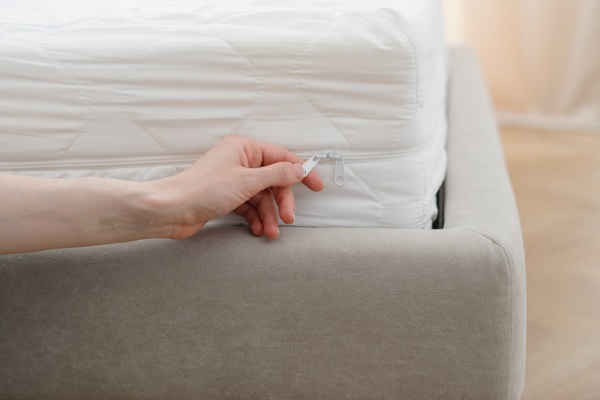
Use protective mattress covers
Mattress covers and similar products can act as barriers, preventing bed bugs from entering or escaping the mattress. Mattress covers can also help make it easier to detect bed bugs during routine inspections. Additionally, encasements can protect your mattress from stains and dust mites, potentially extending its lifespan.
Inspect your room and belongings when you travel
When staying at hotels, understanding how to avoid bed bugs is crucial to prevent bringing them back home with you. Here are a few ways to inspect your hotel room:
1. Inspect luggage: Upon your arrival and return home, carefully examine all luggage (suitcases, backpacks, etc.) for bed bugs, especially seams, pockets, and zippers.
2. Check hotel room: When you enter your hotel room, check for bed bugs in the areas mentioned above. (Bedding, furniture, etc.)
3. Elevate luggage:Keep your luggage in the bathtub or another smooth, elevated surface instead of placing it directly on the floor or bed. Bed bugs are less likely to crawl onto smooth surfaces, which can help reduce the chances of them hitching a ride in your belongings.
4. Inspect clothing: Before repacking your belongings, inspect your clothing, shoes, and personal items. As part of your bed bug prevention routine, when you arrive home, dry laundry on a high heat setting for at least 30 minutes before washing them.
When inspecting, look for live bed bugs, shed skins, fecal stains (dark spots resembling ink stains), and eggs (tiny, pale-yellow or white ovals). If you notice red, itchy welts or bites, this can suggest bed bugs are present. However, bites alone will not confirm an infestation.
What to do if you see bed bugs while traveling
If you encounter these tiny pests while traveling, here are a few ways to prevent bed bugs from coming home with you:
1. Containment: If you spot bed bugs in your hotel room or accommodation, immediately contain the situation by placing your luggage in the bathtub or shower. You can seal exposed belongings in plastic bags to also help prevent them from spreading.
2. Notify management: Immediately inform the hotel staff or accommodation management about the bed bugs. They should take steps to address the issue promptly and offer you a different room.
3. Inspect belongings: Before leaving the hotel room, carefully inspect your belongings for any signs of bed bugs. .
4. Heat treatment: If possible, expose your luggage and clothing to heat before leaving the hotel.
5. Monitor your home: Monitor your belongings and living space for any signs of bed bugs.
Check secondhand items
When buying secondhand furniture, knowing how to avoid bed bugs involves a thorough inspection.
Upholstered furniture: Remove cushions and carefully inspect the upholstery's seams, tufts, and folds. Check the underside of chairs and sofas, too.
Wooden furniture: Examine any joints, cracks, or crevices where bed bugs may hide. Pay attention to drawers, shelves, and other areas where bed bugs could harbor.
Used mattresses and box springs: Exercise caution when purchasing used mattresses or box springs, as these items are particularly prone to bed bug infestations.
Invest in professional bed bug treatment
Terminix technicians conduct thorough bed bug inspections, identify the extent of the infestation, and locate any hiding spots. Our trained professionals have access to various treatment methods and products specifically formulated to help eliminate bed bugs in all life stages.
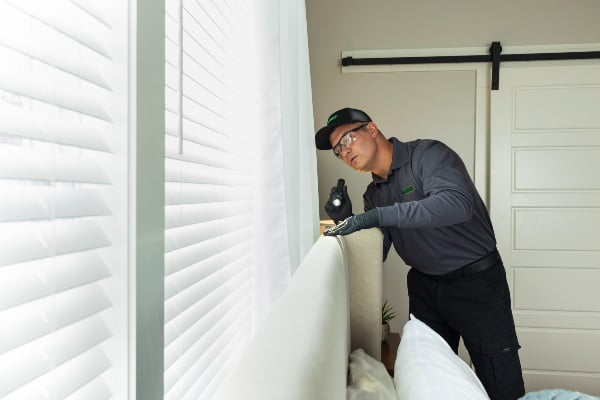
In addition to treating infestations, bed bug prevention measures can be taken to minimize the risk of future problems. If you have spotted bed bugs in your home, schedule a bed bug inspection with Terminix today.