

Raccoons Opossums and Wildlife
What do raccoons eat? Learn more about the raccoon diet
Content Updated: September 30th, 2026
Key takeaways
- What do raccoons eat? Raccoons are omnivores with a varied diet that can include fruits, vegetables, insects, fish, crayfish, eggs, and small animals.
- Around homes, raccoons may eat garbage, outdoor pet food, birdseed, garden produce, and food scraps from compost bins.
- Baby raccoons rely on their mother’s milk at first, but typically begin foraging and scavenging for solid foods around 16 weeks
- Feeding raccoons is not recommended because it can encourage them to rely on human food and spend more time around homes.
- Understanding a raccoon’s diet and securing potential food sources can help reduce unwanted raccoon activity around your property.
Jump to section:
What do raccoons eat in the wild?
What do raccoons eat around your home?
How raccoons can damage your home
What do raccoons eat? Raccoons are opportunistic omnivores with a varied diet. They eat whatever food sources are readily available, from fruits, nuts, and insects to fish, small animals, and food found around homes. A raccoon’s diet is flexible, allowing them to easily adapt to different environments, including neighborhoods and urban areas.
If raccoons are foraging around your property, Terminix can help identify what may be attracting them and create a raccoon control plan to help keep them away.
What do raccoons eat in the wild?
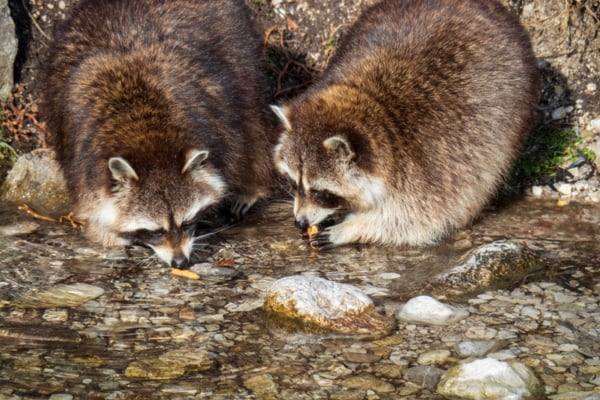
As omnivores, raccoons eat both plant and animal foods in the wild, often choosing whatever is most accessible in their environment. A raccoon’s diet can consist of various plant-based foods, including berries, apples, grapes, cherries, corn, and other fruits and vegetables they find while foraging.
Raccoons can also eat a variety of animals and insects, particularly those found in or near water. Crayfish, frogs, fish, snails, clams, insects, and bird eggs are common food sources. They may also eat small animals such as mice, rats, and squirrels.
What do raccoons eat around your home?
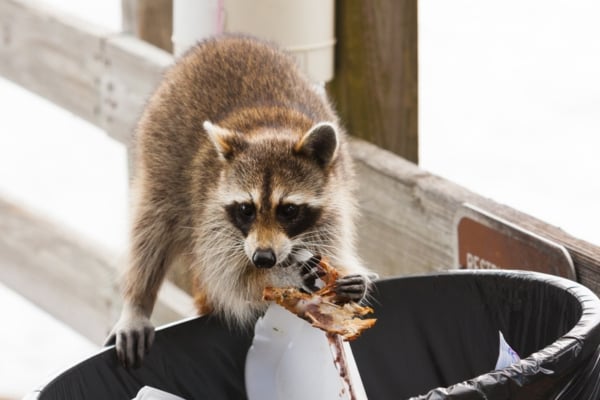
Around homes, what do raccoons eat? They typically take advantage of easy-to-access food, including garbage, meat scraps, eggs, fruits, and vegetables. Bird feeders, outdoor pet food, gardens, fruit trees, and compost bins can also attract raccoons.
Raccoons may prey on rodents and other small animals, but they generally don’t prey on cats. Keeping food and potential food sources secured can help reduce the chance of raccoons visiting your property.
What do baby raccoons eat?
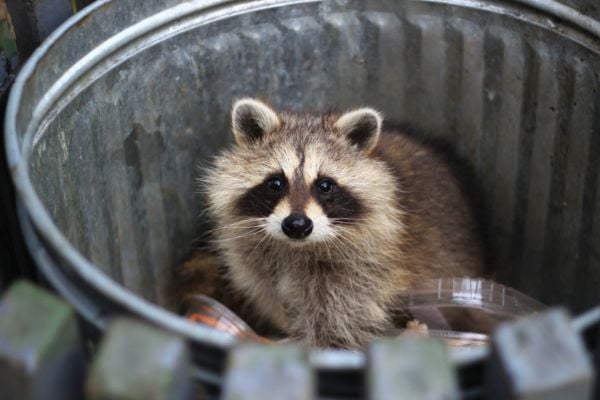
Baby raccoons rely on their mother’s milk during their first few weeks of life. Around 16 weeks, they are typically weaned and begin foraging and scavenging for solid foods on their own. At this age, they can start searching for many of the same foods adult raccoons eat.
Should I feed raccoons?
Feeding raccoons isn’t recommended. Although it may seem harmless, providing food can cause them to rely on humans rather than forage naturally and may encourage them to spend more time around homes. It can also create an ongoing raccoon problem as they learn that your property is an easy source of food.
If you see a raccoon, observe it from a safe distance rather than offering food. Raccoons around your home can get into trash, damage gardens and lawns, and potentially enter attics or crawl spaces. Practicing raccoon prevention can help make your property less attractive to them.
Don't let hungry raccoons damage your home
Raccoons may search gardens, garbage, and other areas around your property for food. They may also enter attics, crawl spaces, and basements in search of food or shelter, potentially damaging insulation, ductwork, and electrical wiring. Raccoons can also carry diseases, including rabies.
If raccoons have made their way onto your property or into your home, Terminix wildlife control services can help protect your property and family. Our raccoon control experts can help address unwanted raccoon activity, seal potential entry points, and identify ways to make your home less attractive to these animals. Schedule your free wildlife inspection today!


