Do bats attack humans? Learn about the dangers of bats
Content Updated: October 7, 2026
Key takeaways:
- Bats do not naturally attack humans, but they may bite in self-defense if they feel trapped, cornered, disoriented, or threatened.
- Health risks primarily include rabies transmission through bites and respiratory histoplasmosis caused by inhaling fungal spores in bat guano.
- Signs of roosting bats include dark grease stains around entry gaps, high-pitched scratching sounds, and guano accumulation near attics.
- Professional exclusion by a Terminix technician addresses bat infestations while helping keep your property protected in compliance with wildlife laws.
Jump to section:
- Do bats bite or attack humans?
- Are bats dangerous?
- What to do if a bat bites or touches you
- Signs you have bats in your home
- How to get a bat out of your home
Although they are not naturally aggressive toward people, are bats dangerous? Yes, bats can be dangerous primarily due to the diseases they can transmit to humans. Bats play a vital role in our ecosystem, but finding them roosting inside your house requires prompt action. These animals enter homes through tiny cracks, vents, or eaves, looking for warmth. Knowing why they are there and when to call a professional for bat control is key to helping protect your household.

Do bats bite or attack humans?
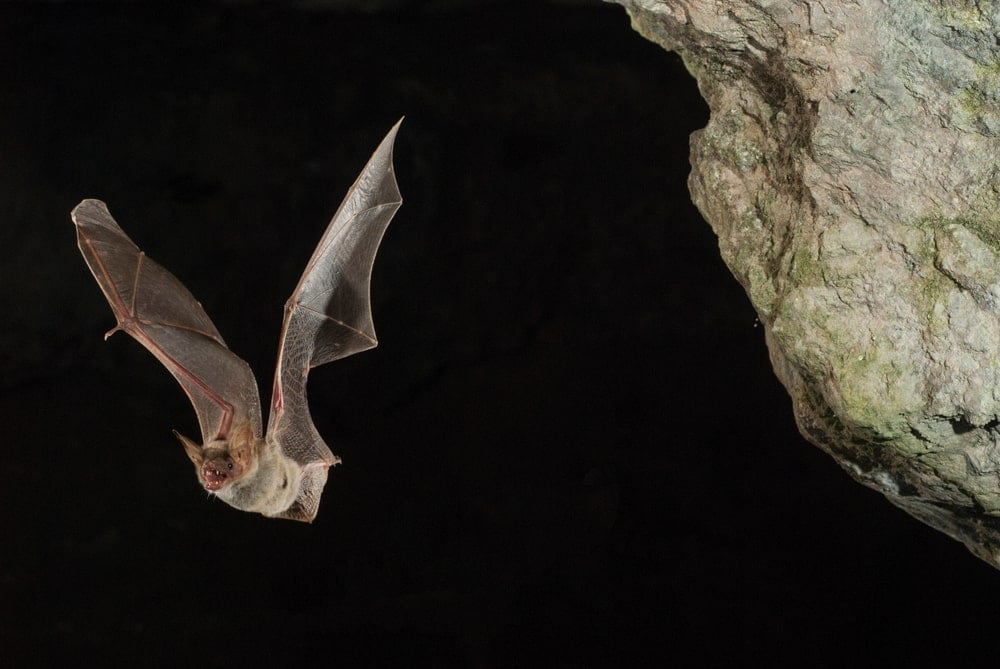
No, bats do not attack humans. They generally prefer to avoid people and pets entirely. If you see a bat diving or flying close to you outdoors, it is usually swooping to catch flying insects near your light source rather than targeting you.
However, a bat may bite if it feels trapped, cornered, or threatened. You may face an increased risk of a bite under specific circumstances:
- Improper handling: Trying to catch or handle a bat without professional experience can force it to bite in self-defense.
- Defensive behavior: A bat cornered in a living space may bite out of panic. If a bat feels trapped or startled, it might bite out of panic.
- Injured animals: A bat that is sick, disoriented, or injured may act unpredictably, increasing the chance of a bite.
Are bats dangerous?
While bats rarely display direct aggression, they can pose significant health risks to humans and pets through disease transmission.
Bats and rabies
Because of the diseases they carry, bats can be dangerous. Rabies is transmitted through an infected bat's saliva, usually via a bite or through contact with an open wound. While transmission to humans is relatively rare when precautions are taken, infected bats may exhibit erratic behavior. Signs of a diseased bat include:
- Unusual activity: Seeing a bat out during the day in open spaces.
- Inability to fly properly: Struggling to take flight or crawling around on the ground.
- Aggressive or erratic behavior: Approaching humans or pets rather than avoiding them.
Bat guano and histoplasmosis
Bats can also cause indirect health issues through their droppings, known as guano. Microscopic fungal spores can grow in accumulated guano and, if inhaled, cause a respiratory infection called histoplasmosis. Because disturbing guano releases these microscopic spores into the air, you should never attempt to clean up bat droppings on your own. Contact a professional who is equipped with proper protective gear to handle contaminated areas.

What to do if a bat bites or touches you
If a bat bites, scratches, or physically touches you, or if you wake up in a room with a bat present, take action immediately:
- Wash the area: Thoroughly wash any potential bite or scratch with soap and water for several minutes.
- Seek medical attention: Contact a healthcare provider or local public health department right away to determine if post-exposure rabies prophylaxis is necessary.
- Capture the bat safely if possible: Do not destroy the bat's head, as local health authorities may need to test it for rabies. Only attempt to contain it under a box or container if you can do so safely without risking direct contact.
- Consult a veterinarian: If your pet comes into physical contact with a bat, seek immediate veterinary care.
Signs you have bats in your home
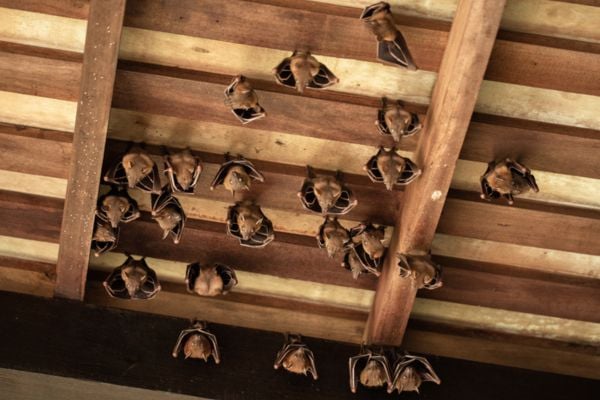
Because bats are active at night, you may notice signs of their presence before you ever see one. Knowing how long bats stay out at night can help you spot them as they leave their roost near dusk. Watch for these typical signs of animals in attic spaces and eaves:
- Guano accumulation: Small, dark droppings piling up near entry points, on window sills, or in the attic.
- Squeaking or scratching noises: High-pitched sounds coming from walls, ceilings, or attics at dusk and dawn.
- Staining: Dark grease marks or stains left around small exterior entry gaps and vents.
- Sightings around entry points: Observing bats exiting small structural openings as the sun goes down.
How to get a bat out of your home
Attempting to remove bats on your own is dangerous and ineffective. DIY removal increases your risk of bites or exposure to disease, and many species are protected by federal, state, or local laws that impose heavy fines for harming them.
Instead of a DIY approach, rely on professional bat removal experts who understand legal regulations and exclusion methods. Terminix can assess your home, implement exclusion tactics, and apply specialized services to help prevent bats from entering attic spaces in the long term.