

Frequent bird sightings
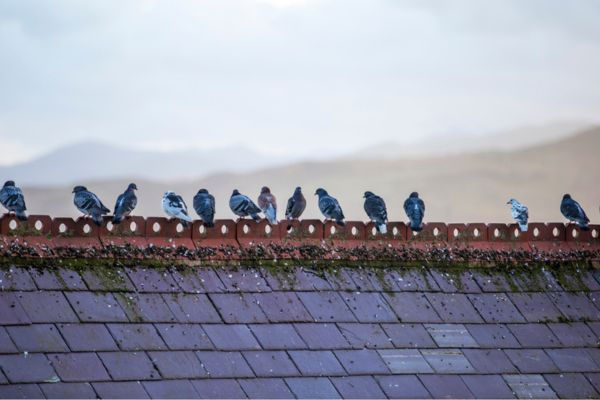
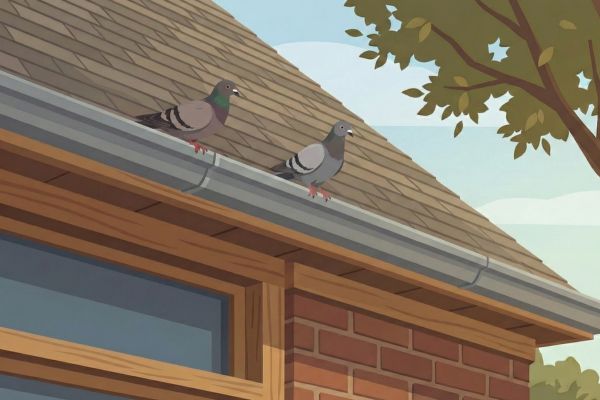
Regular sightings of pigeons, sparrows, or starlings around your roofline, eaves, gutters, or ledges may indicate they are nesting nearby.
Nuisance birds can quickly become more than just an annoyance when they start nesting or roosting on your home.
Exclusion focuses on sealing areas where birds can enter, nest, or hide. Our technicians use our exclusive Flexi Armour products, made from durable, knitted stainless steel mesh, along with other pest-proof materials to seal potential entry points and help protect against unwanted intruders.
Bird removal focuses on safely removing nuisance birds that are actively roosting or nesting on your property. Our professionals use humane techniques to relocate birds, helping to minimize stress on the animals and disruption to your home.
To protect certain areas from bird activity, we can install deterrents, netting, or other products to help prevent nesting, perching, and roosting. Common prevention areas include rooflines, ledges, gable vents, solar panels, and more.

Applied with care for the people and pets you love

Smart, targeted approaches designed with the environment in mind

Local technicians who understand your area’s unique pest challenges
Regular sightings of pigeons, sparrows, or starlings around your roofline, eaves, gutters, or ledges may indicate they are nesting nearby.
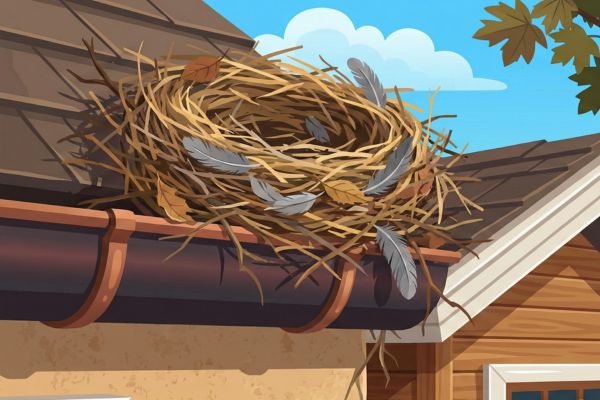
Inspect areas where birds tend to rest for signs of nesting materials, such as twigs, grass, feathers, or debris collecting in gutters, roof corners, vents, or on ledges.
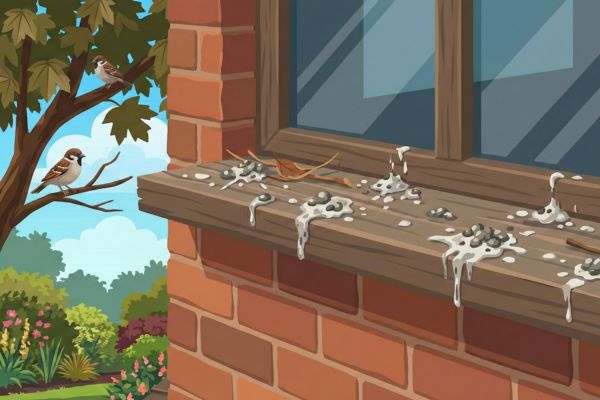
If you notice an increase in bird droppings on your property, especially in concentrated areas like walkways, patios, or window ledges, birds may be nesting nearby.
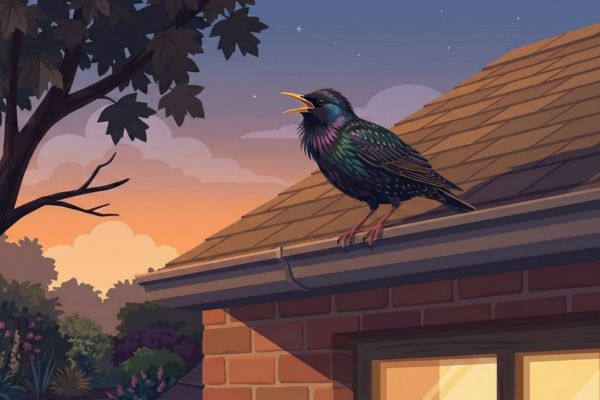
Listen for chirping, scratching, or fluttering sounds, especially early in the morning or at dusk.
Sparrows often nest in small openings around homes, including vents, roof gaps, and under eaves. Their nesting materials can block airflow and clog gutters. Because they’re small and can fit into tight spaces, sparrow problems can go unnoticed until damage or noise becomes obvious.
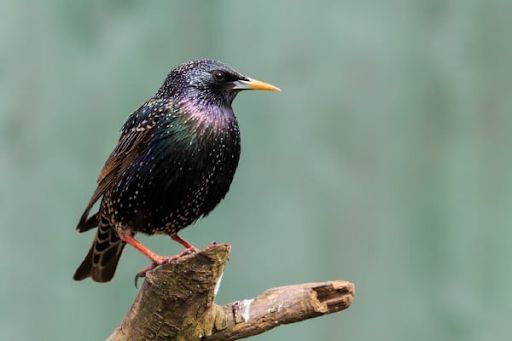
Starlings tend to gather in large numbers and are known for nesting in vents, soffits, and roof voids. Large flocks can create excessive droppings buildup, noise, and strong odors around homes. They are persistent nesters and will often return to the same location if entry points are not properly sealed.
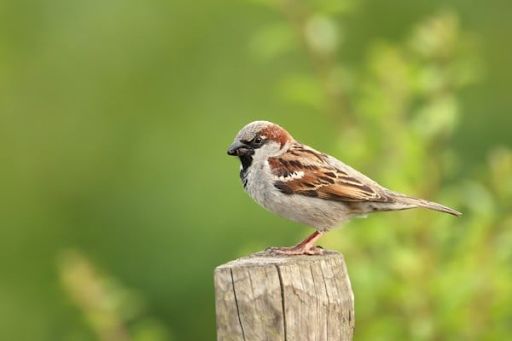
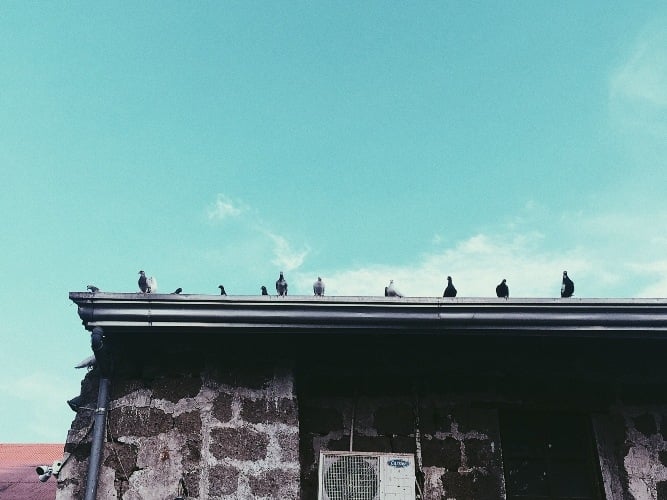
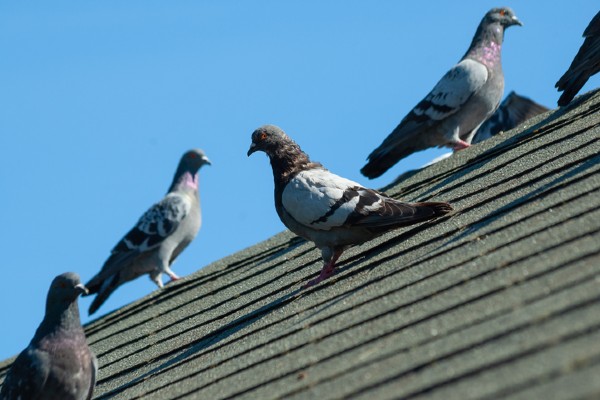
Pigeons typically roost on rooflines, ledges, chimneys, solar panels, and attic entry points. Their droppings are acidic and can damage roofing materials, siding, and outdoor equipment over time. Pigeons also tend to return to familiar roosting sites, which can quickly turn a minor problem into a long-term infestation if not addressed.
Here’s what our customers have to say...
Colorado Springs, CO
We got invaded, wildlife need to stay outside not inside. Called and they came, very fast and efficient. We do have dogs I was concerned for but what they use was safe for our dogs.
3 months ago
Indianapolis, IN
Terminix did a good job of taking care of my raccoons in the attic problem. Animals were captured and removed. Terminix showed up on time as scheduled. Phone communications were very good in getting everything coordinated. The cleaning and wildlife barriers were accomplished in one day with very little mess or inconvenience.
5 months ago
St Louis Park, MN
We've used Terminix for a while now and have always been happy with their provided services. Even when 'nature finds a way' to get back where it doesn't belong, they are very prompt to swing by to take care of the problem. We recently used Terminix to remove the insulation, sanitize, and re-blow insulation into our entire attic. The process went from inspection, to quote, to completion within the same week. The crew was very respectful of our home, pets, and our time. You might be able to find cheaper options out there, but for the amount of care the technicians provide with every service I recommend you go with Terminix.
7 months ago
Woburn, MA
Metro west MA Terminix team is amazing! Frances in pest control has protected us from pests for over 15 years! His response time and attention to detail is like no other. He listens and has solved all our issues over the years. We have been Vith and team in wildlife for over 5 years now and they have been diligent at finding and blocking access points in our 1860s home. At the beginning appt scheduling was frustrating but Frances has helped ease our frustrations and get us to the right people to schedule. Highly satisfied customer and highly recommend this team!
8 months ago
Virginia Beach, VA
Was very impressed with the quick response and efficiency in dealing with our home. Keith Sacco was great to deal with and made himself available to handle all our questions. Well done. The work performed by the wildlife exclusion tech and the moisture barrier installers was top notch also.
7 months ago
We’ll inspect your home to check for signs of wildlife and risk factors that could make your home vulnerable.
We'll also patch, seal, and secure your home's exterior using Flexi Armour to ensure that all wildlife stays out.
We'll come back and re-inspect your home each year for wildlife as long as you keep your plan. We will check previously secured entry points and check for new vulnerabilities.
The cost of bird control can vary depending on factors such as the size of your property, the areas birds use, the type of treatments needed, and the size of the bird population. An inspection from Terminix helps determine the most effective solution for your specific situation.
The most effective bird control methods usually combine removal, deterrents, and exclusion to address both current bird activity and future prevention. Some DIY options, like removing food sources or using visual deterrents, can help short term, since many birds dislike reflective objects and unstable landing surfaces. However, persistent birds typically return unless entry points and roosting spots are professionally addressed.
Common and effective bird deterrents include bird spikes, netting, and visual or physical deterrents placed in high-activity areas. Success depends on matching the deterrent to the bird species, behavior, and location. To ensure the deterrents are as effective as possible, consult a professional for proper placement and installation.
If a bird gets inside your home, stay calm and keep people and pets out of the room. Close interior doors, open one window or exterior door if possible, and turn off lights to help guide the bird outside. If the bird is trapped, injured, or won’t leave, contact a wildlife or pest control professional to remove it safely.