Mosquitoes
West Nile virus: Symptoms, transmission, and mosquito control
Content updated: September 30, 2026
Key takeaways
- West Nile virus is a serious mosquito-borne disease that can occur year-round in warmer areas and typically becomes more active during summer.
- West Nile virus spreads through infected Culex mosquitoes, which acquire the virus from infected birds and can transmit it to people through bites.
- Most people infected with West Nile virus have no symptoms, but some develop mild illness, and a small number develop severe complications.
- Mosquitoes can breed in standing water, including gutters, birdbaths, pet bowls, plant saucers, pool covers, and outdoor toys.
- Eliminating standing water and using professional mosquito treatments can help reduce mosquito populations and protect your outdoor spaces.
Jump to section:
How is West Nile virus transmitted?
What are the symptoms of West Nile virus?
Where do mosquitoes breed around your yard?
Protect your outdoor lifestyle with professional mosquito control
Mosquitoes are more than an outdoor nuisance. They can pose a serious public health risk by spreading various diseases. West Nile virus is the most widespread mosquito-borne virus in the United States, with cases typically increasing during the summer months. Reducing mosquito populations around your home and taking steps to prevent bites can help lower your risk of West Nile virus.
How is West Nile virus transmitted?
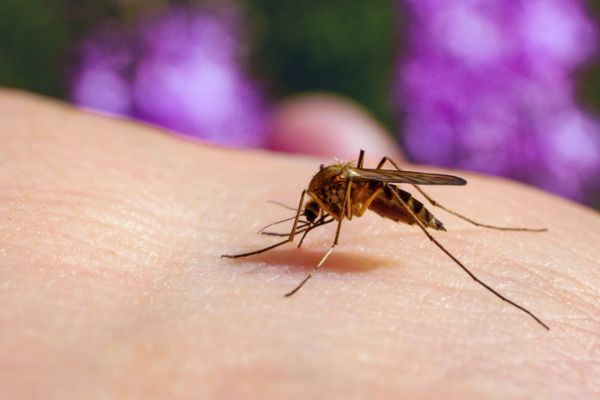
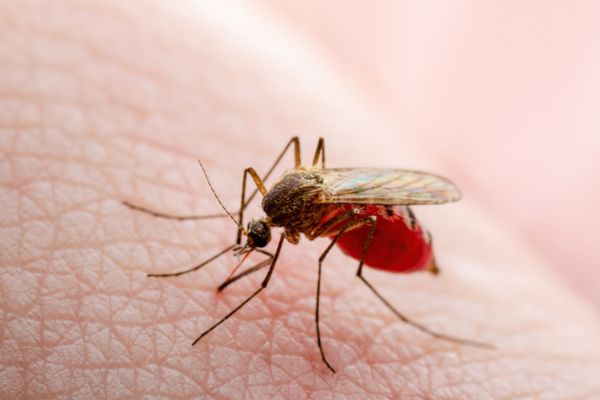
West Nile virus spreads through a cycle involving birds and mosquitoes. Culex mosquitoes can become infected when they feed on birds carrying the virus. Once infected, the mosquito can transmit West Nile virus to people and other animals through subsequent bites. People are considered a dead-end host.
West Nile virus can occur year-round in warmer parts of the country, but transmission tends to increase during the summer. Higher temperatures can speed up mosquito breeding and allow the virus to develop inside infected mosquitoes more quickly, increasing the chances of transmission.
What are the symptoms of West Nile virus?
Not everyone infected with West Nile virus experiences symptoms. Most people who become infected develop no symptoms, while others may develop a mild illness. If your symptoms become severe, it’s best to seek professional medical care.
No symptoms
About 70-80% of people infected with West Nile virus don't feel sick or develop any symptoms.
Mild to moderate symptoms
About 10-20% develop West Nile fever, which may cause fever, headache, body aches, vomiting, diarrhea, or a rash. Most people recover within a few days to several weeks.
Severe symptoms
A small number of people can develop serious illnesses, such as encephalitis or meningitis. Symptoms can include high fever, severe headache, stiff neck, confusion, muscle weakness, tremors, seizures, or paralysis. Severe West Nile virus infection can be life-threatening and may cause long-term health problems.
Where do mosquitoes breed around your yard?
Mosquitoes need standing or stagnant water to lay their eggs and complete their life cycle. In warm summer conditions, some mosquitoes can develop from egg to adult in as little as 4 to 7 days, meaning even small amounts of water can become breeding sites.
Common mosquito breeding spots around your yard can include:
- Clogged gutters and downspout extensions that collect rainwater
- Birdbaths, pet bowls, and plant saucers that aren't emptied regularly
- Pool or boat covers where rainwater can collect
- Hollow tree stumps that hold water after rainfall
- Uncovered rain barrels and outdoor toys that can collect standing water
To help prevent and get rid of mosquitoes in your yard, make standing water part of your weekly yard check:
- Empty, drain, or turn over containers that can collect water
- Keep gutters and downspouts clear so rainwater can drain properly
- Cover rain barrels
- Store outdoor toys, buckets, and other containers where they won't collect rain
Protect your outdoor lifestyle with professional mosquito control
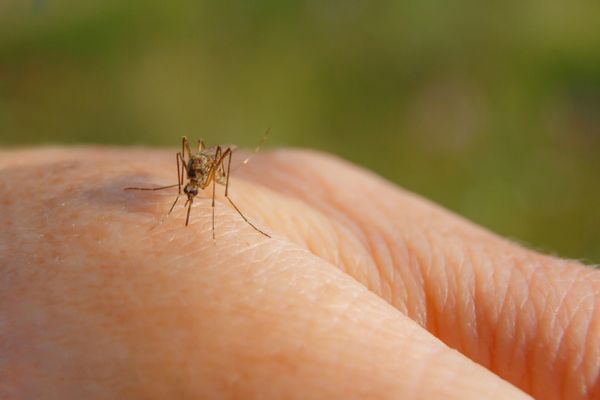
Removing standing water can help prevent mosquitoes from breeding, but it won't eliminate adult mosquitoes already living around your property. Professional mosquito barrier treatments target adult mosquitoes resting in shaded vegetation and other areas around your yard, helping to reduce mosquito activity where you spend time outdoors.
For ongoing protection throughout mosquito season, recurring seasonal mosquito treatments from Terminix can help keep mosquito populations under control. Schedule an inspection with our experts and find a treatment plan that fits your property.