Mosquitoes
What you should know about mosquito-borne diseases
Content Updated: March 17, 2026
Key takeaways
- Mosquitoes are vectors for several diseases, with only some species capable of transmitting pathogens through their bites.
- Dengue fever and chikungunya are common viral diseases spread primarily by the Aedes aegypti mosquito, with symptoms including high fever and joint pain.
- Malaria, caused by a parasite and typically transmitted by the Anopheles mosquito, is one of the most common mosquito-borne diseases in the world.
- Prevention strategies for mosquito-borne diseases include staying hydrated, resting when ill, and seeking medical attention for severe symptoms.
Jump to section:
How do mosquitoes spread disease?
Mosquito-related disease prevention tips
When the temperatures heat up, mosquitoes are out on the prowl. Their bites are itchy and annoying, but these insects can also carry pathogens that may cause disease. Learn more about what diseases mosquitoes carry and get the facts on some of the most common mosquito-borne diseases.
How do mosquitoes spread disease?
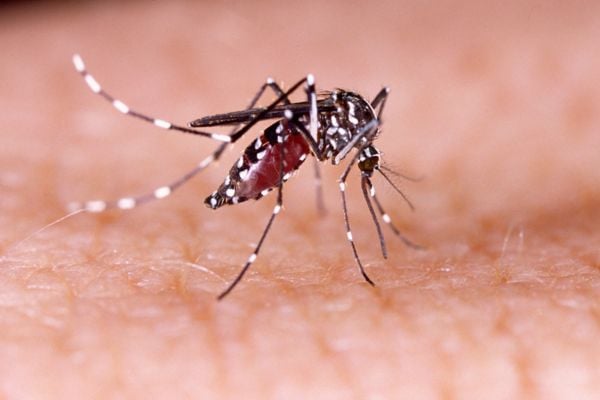
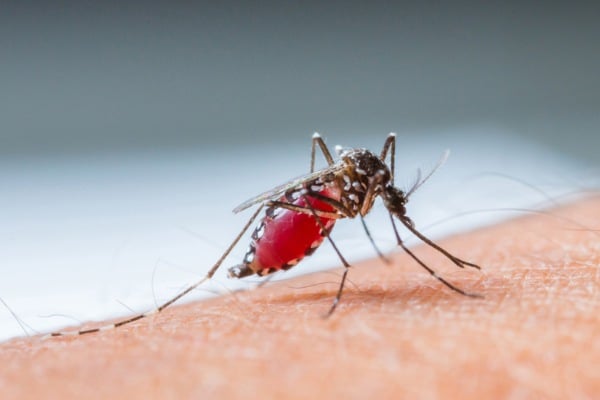
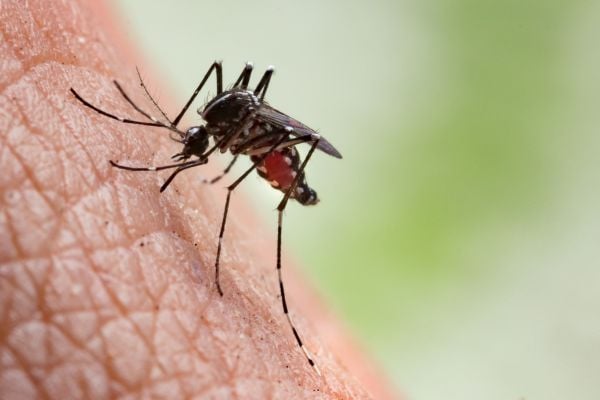
It’s a popular misconception that all mosquitoes spread disease. There are more than 2,700 species of mosquitoes worldwide, and only some can become infected with pathogens and spread disease. Also, not all mosquitoes feed on blood. Only female mosquitoes do, and they use the proteins it contains to produce eggs.
Mosquitoes that can both become infected with and transmit a pathogen are called vectors. In order for a mosquito to become a vector, the virus must survive the insect’s immune system and be present in its saliva. When a female mosquito bites a host, it releases saliva, which numbs the host and acts as an anticoagulant. If a virus is present, infection may occur.
In terms of mosquito-related disease types, viral diseases are caused by viruses, which are tiny infectious agents that require living cells to replicate. Examples include dengue fever and Zika virus. Parasitic diseases, on the other hand, are caused by parasites, organisms that live on or in a host and can cause harm. Malaria, for example, is a well-known parasitic disease transmitted by certain types of mosquitoes.
Dengue fever
According to the Centers for Disease Control and Prevention, nearly 400 million people are infected with dengue fever each year. This mosquito-borne disease is spread by the Aedes aegypti mosquito. It emerged in the 1950s and is a leading cause of death in tropical and sub-tropical climates, including areas of Africa, the Americas, the eastern Mediterranean, Southeast Asia, and the western Pacific. Although it is relatively uncommon in the United States, small, isolated incidents have occurred in Florida and Hawaii. Most incidents of dengue fever in the U.S. are travel-related.
Symptoms associated with dengue fever include:
- High fever
- Severe headaches
- Pain behind the eyes
- Joint pain
- Muscle and bone pain
- Rash
- Mild bleeding (gums or nose)
In some cases, dengue fever may evolve into a more severe and potentially fatal condition called dengue hemorrhagic fever, or severe dengue. Severe dengue is characterized by vomiting, severe abdominal pain, and difficulty breathing.
The Centers for Disease Control and Prevention recommends that people who believe they have dengue fever get rest and fluids, take pain relievers with acetaminophen (avoid aspirin), and consult their physician. Anyone experiencing symptoms of dengue hemorrhagic fever should seek emergency medical care.
Chikungunya
Like dengue fever, chikungunya is most commonly spread by the Aedes aegypti mosquito, but it can also be spread by the Aedes albopictus mosquito. First reported in Tanzania in 1952, the disease is most commonly found in Africa, Asia, and India. The Centers for Disease Control and Prevention notes that the virus was first seen in the Americas during an incident in the Caribbean in 2013.
Symptoms of chikungunya are similar to dengue fever. It is most often characterized by:
- Fever
- Joint pain
- Muscle pain
- Headache
- Nausea
- Fatigue
- Rash
According to the World Health Organization, most patients diagnosed with chikungunya recover fully. There is no vaccine for chikungunya, but the CDC recommends rest, fluids, and acetaminophen (not aspirin) to reduce fever.
Malaria
Perhaps the most well-known and deadly mosquito-borne disease, malaria, is caused by a parasite. It is typically spread by the female Anopheles mosquito, but it may also be spread through blood transfusions, organ transplants, or shared needles.
The disease is most prevalent in sub-Saharan Africa and South Asia. The Centers for Disease Control and Prevention reports that each year, there are roughly 1,700 cases in the United States, but these are primarily travelers returning from areas where the disease is easily transmitted.
Malaria symptoms usually include:
- Fever
- Chills
- Flu-like symptoms
- Headaches
- Muscle aches
- Tiredness
- Vomiting
If malaria is left untreated, it can lead to kidney failure, confusion, coma, and death. The Centers for Disease Control and Prevention notes that malaria can be treated with prescription drugs, although the specific drug and course of treatment will depend on the strain of the disease.
West Nile
West Nile virus can be spread to humans through the bite of an infected Culex mosquito. The disease was first detected in humans in the West Nile region of Uganda in 1937, but it is now found throughout Africa, Europe, the Middle East, West Asia, and Australia. It is also found throughout North America. According to the Centers for Disease Control and Prevention, West Nile virus cases have been reported in all 50 states.
There is no vaccine for West Nile virus, but the World Health Organization estimates that 80% of people infected with the mosquito-borne disease show no symptoms at all.
When symptoms are present, they include fever:
- Headache
- Body aches
- Joint pains
- Vomiting
- Diarrhea
In very rare cases, patients can develop central nervous system conditions like encephalitis or meningitis. The Centers for Disease Control and Prevention recommends over-the-counter medications to relieve symptoms and hospitalization for severe cases.
Eastern equine encephalitis
Eastern equine encephalitis (EEE) is primarily spread by Culiseta melanura mosquitoes. In the United States, EEE is most common in the eastern states, particularly in regions with abundant wetlands, such as Florida, Massachusetts, and New Jersey. Although it is considered rare, with only a few cases reported annually, EEE can lead to serious illness and neurological complications.
Symptoms may include:
- Fever
- Headache
- Seizures
- In severe cases, coma.
There is currently no specific vaccine available for EEE, and treatment focuses on supportive care for those affected.
Zika
You may have heard about the Zika virus on the news in recent years. This disease is most commonly spread by the yellow fever and Asian tiger mosquitoes. It originated in Uganda but has now spread throughout Africa, the Americas, Asia, and the Pacific. The Zika virus is present in the United States, although it is not widespread; it has been found in Illinois, Florida, Texas, New York, Utah, and New Jersey.
Many people infected with Zika will not experience any symptoms. However, when symptoms are present, they usually include:
- Fever
- Skin rashes
- Muscle
- Joint pain
- Fatigue
- Headache.
The virus can be passed from mother to fetus and lead to birth defects like microcephaly, or a smaller-than-average head size. There is no vaccine for Zika, but the Centers for Disease Control and Prevention recommends getting plenty of rest and fluids, as well as treating the symptoms with acetaminophen.
Mosquito-related disease prevention tips
Preventing mosquito bites is crucial for reducing the risk of mosquito-related diseases. By taking proactive measures, you can significantly reduce your risk of being bitten.
- Wearing long sleeves and long pants made from tightly woven fabrics can help shield your skin.
- Light-colored clothing is also a smart choice, as it tends to be less attractive to mosquitoes.
- Additionally, applying EPA-registered insect repellent containing DEET, picaridin, or oil of lemon eucalyptus to exposed skin can provide effective protection.
- Reapply as directed, especially after sweating or swimming.
While these personal prevention tips are essential, Terminix® can offer an extra layer of protection. Get professional mosquito control today!