
How much attic insulation do I need?
Content updated: October 1st, 2026
Key takeaways
- Proper attic insulation helps regulate home temperatures year-round, reduces energy bills, and helps prevent pest entry when properly installed.
- Determining how much attic insulation you need depends on local climate, requiring R-30 to R-49 in warmer regions and R-49 to R-60 in cooler climates.
- Calculate your existing R-value by measuring the average insulation depth across your attic floor and multiplying by the material's thermal rating.
- Terminix cellulose attic insulation offers high thermal resistance while helping stop and kill certain pests upon contact.
- Scheduling an inspection with a Terminix professional can help determine the ideal insulation type and coverage for your home.
Jump to section:
Understanding insulation basics
Calculating how much insulation you have
Calculating how much insulation you need
When deciding how much attic insulation you need, several factors come into play, including where you live, the condition of your existing insulation, and the type of material you choose. Properly installed attic insulation acts as a barrier that can help regulate indoor temperatures year-round, keeping your home warm in winter and cool in summer. The high-quality cellulose attic insulation Terminix offers has been carefully formulated with materials that help stop and kill certain pests when they come into contact with it.¹
The right amount of insulation in an attic is essential for maximizing these benefits. Insufficient insulation can lead to heat loss or gain, resulting in higher energy bills, an inconsistent indoor climate, and entry for pests.² Understanding the different types of insulation, the benefits, and knowing your climate needs will help you determine how much attic insulation is enough for your home.

Understanding insulation basics
Attic insulation can help maintain a comfortable and energy-efficient home with the potential to help reduce pest intrusion.1 Understanding the various types of insulation and R-values can help you learn what options may be best for your home and specific needs.
Common types of attic insulation:
- Cellulose insulation: Composed of recycled paper products, cellulose appears as dense, grey, fluffy paper fibers loosely blown across the attic floor. Known for its high thermal resistance, cellulose insulation helps effectively slow heat transfer and offers strong pest-repelling properties when properly treated.
- Fiberglass: Made from thin glass fibers spun into a light, fluffy material, fiberglass comes in pink, yellow, or white flexible batts (rolls) or as loose fill. It remains a widely used choice due to its balance of affordability and thermal coverage.
Calculating how much insulation you have
The amount of attic insulation in your home depends on factors such as the home's age and the construction standards in place when it was built. Older homes tend to have less insulation because energy-efficiency standards were less stringent, whereas newer homes are typically built with more insulation to meet modern building codes. Follow these steps to measure your attic's current insulation:
- Measure depth: Use a ruler or tape measure to take measurements at different areas of your attic floor. Measure the height of the insulation from the base floorboard up to the top level in inches. Take measurements in multiple spots to calculate an accurate average depth.
- Calculate R-value: Multiply your average depth in inches by the material's R-value per inch. This sum gives you your current total R-value.
- Check vents: Ensure existing insulation doesn't block soffit or ridge vents. Proper airflow prevents moisture buildup and keeps insulation operating effectively. Combining proper insulation placement with these attic pest-control tips can help keep your home secure.

Calculating how much insulation you need
Determining how much attic insulation you should have depends on several factors. The local climate, building codes, home design, existing insulation, insulation material type, and more can all influence how much attic insulation you need. Terminix professionals will help develop a customized plan tailored to your home and specific needs.
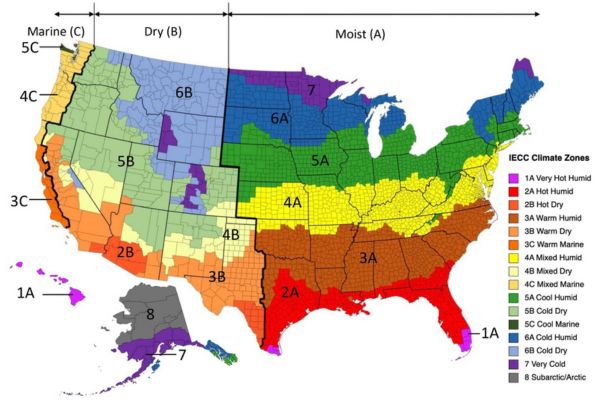
What temperate zone do you live in?
Another factor to consider when exploring insulation options is the R-value. This measurement indicates a material's resistance to heat flow. The higher the R-value, the better the insulation. The optimal R-value for a home varies depending on your geographic location. Colder climates typically require higher R-values to combat harsher winter temperatures, while warmer regions can benefit from lower R-values to maintain indoor comfort.
The U.S. Department of Energy divides the country into eight climate zones:
- Zones 1–4 (warmer regions): Generally require R-values between R-30 and R-49.
- Zones 5–8 (cooler regions): Require higher insulation values, typically R-49 to R-60, to withstand severe winter temperatures.
What type of insulation are you using?
After reading through this page, you may be wondering, “What type and how much attic insulation do I need?” The type of insulation you choose affects how much you'll need to properly insulate your home because different materials have different R-values. The material you pick influences the thickness, cost, and specific advantages.
Our experts can help determine how much insulation you need and the best type for your home, among other factors. Schedule an inspection with a Terminix professional today!
1Insulation's control effect begins only after affected insect/arthropod contact with insulation. Visit https://www.terminix.com/home-services/attic-insulation/ to learn more about affected insects/arthropods. Product brand availability varies by location. Control of affected insects/arthropods is limited to contact with insulation and does not extend outside of the insulation. Use of insulation does not substitute for holistic pest management. For active pest infestations, you should consult a licensed pest control operator.
2Savings vary and depend on use patterns, the home's current insulation, home and system efficiency, and products purchased.