
Home Garden
The benefits of attic insulation
Content updated: October 14th, 2026
Key takeaways
- Attic insulation comes in different types, including fiberglass, cellulose, and foam, each with varying materials and installation methods.
- Attic insulation can be installed between or around parts of your home's structure, and the right type and installation approach can vary based on the attic and existing construction.
- Properly installed insulation can provide an added layer of protection against certain pests, but insulation on its own is not a substitute for pest control.
- Terminix attic insulation services can help determine whether your existing insulation is damaged or deteriorating, and recommend whether adding or replacing insulation is necessary.
Jump to section:
Why attic insulation is important
How can I tell if my attic insulation is still good?
Attic insulation is an important part of your home's construction and can vary in type, material, and installation method. Understanding the benefits of attic insulation can help you learn how insulation fits into your home's construction and determine whether your home's existing insulation may need attention.
If you’ve noticed damaged, deteriorating, or uneven insulation in your attic, it may be time to have it evaluated. Terminix offers professional attic insulation services to assess the condition of your existing insulation and determine whether adding, replacing, or removing it may be appropriate for your home.
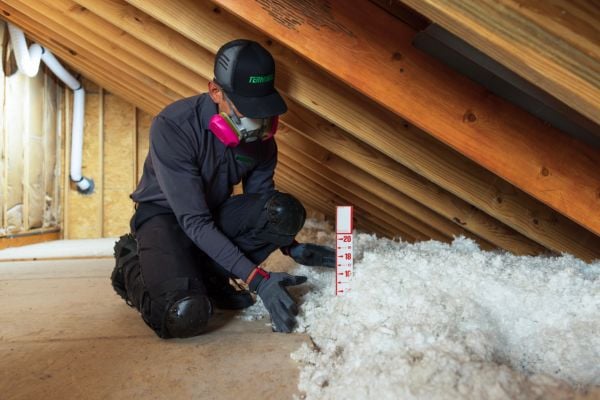
How insulation works
In the winter, heat naturally moves from the warmer interior of your home toward colder areas, including your attic and the outdoors. In summer, the process reverses, as heat from outside moves into your cooler home. Without enough insulation, this heat transfer can make it harder to maintain a comfortable indoor temperature and may cause your heating and cooling system to work harder.
Insulation effectiveness is measured by its thermal resistance, or R-value. The recommended R-value for attic insulation varies with your home's climate zone, so the right level of insulation depends on where you live and your home's specific needs.
Types of insulation
Understanding the different types of insulation can help you choose the right option and maximize the benefits of attic insulation. Common insulation types differ in how they’re installed, where they’re used, and how well they resist heat flow.
Cellulose insulation
Cellulose insulation is typically made from about 80% recycled materials and is commonly installed as loose-fill insulation. It can be blown into open attics, walls, and vaulted ceilings and may also be added over existing insulation. It provides an R-value of 3.6 to 3.8 per inch. Some cellulose products are also treated with pest control chemicals to help protect against insects. Terminix offers cellulose insulation that contains a pest control additive that can help your home fight certain pests when they contact it.1
Fiberglass insulation
Fiberglass insulation is available as batts, which are fitted between framing members, or as loose fill, which is blown into attics and other spaces. It can be installed in walls, ceilings, attics, and floors, and has an R-value anywhere from 2.2 to 2.9 per inch, depending on the density you choose.
Foam insulation
Foam insulation comes in several forms, including rigid boards and spray foam. Rigid foam boards can be cut and installed against walls, ceilings, or other surfaces, while spray foam is applied directly to the area and expands to fill gaps. It provides an R-value of 3.8 to 5.0 per inch. Foam insulation is commonly used in unfinished walls, floors, ceilings, and low-slope roofs.
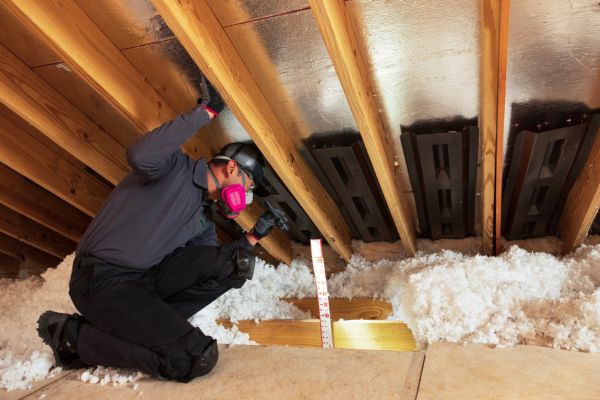
Why attic insulation is important
Attic insulation can vary from home to home depending on the type of insulation, how much is installed, and the condition of the existing material. Without enough attic insulation, heat can move more easily between your home and the outdoors. There can be various benefits of attic insulation that is properly installed and fitted to your space, including:
- Can help address pest activity: Terminix cellulose attic insulation is designed to provide an added layer of protection against certain pests.1
- Tailored to your home: Terminix professionals can inspect your attic and develop an insulation plan based on the condition of your existing insulation and your home's specific needs.
Homeowners may also have access to state or local rebates and energy-efficiency programs, depending on where they live.2 Check with your state or local energy office and the program administrator for current eligibility requirements before starting an insulation project.
How can I tell if my attic insulation is still good?
To determine whether your attic insulation is still effective, start by inspecting its condition and coverage. If it’s compressed, damaged, wet, moldy, uneven, or missing in any area, it may no longer provide the protection your home needs. You may also notice signs inside your home, such as drafts, uneven temperatures, cold ceilings or floors, or higher-than-usual heating and cooling costs.
Attic insulation does not necessarily need to be replaced on a set schedule. Well-maintained insulation can last for many years, but it may need to be added to or replaced. Terminix attic insulation services can help fill gaps in deteriorating or insufficient insulation. Schedule a free attic insulation inspection to determine whether new or additional insulation may benefit your home.
1Insulation's control effect begins only after affected insect/arthropod contact with insulation. See product label for affected insects/arthropods. Control does not extend outside of the insulation. Use of insulation does not substitute for holistic pest management.
2Rebate availability, eligibility criteria, and program funding vary by location and are subject to change. See the Database of State Incentives for Renewables & Efficiency (DSIRE) for more information: https://www.dsireusa.org/.


