Home Garden
Identifying honey bee nests in your house
Content updated: June 11, 2026.jpg?rev=e4d57d2dfb8641f8ab2dd2d8ce4c60b9&hash=BCAFD3F52718B09D83F5CD612EC21466)
Key takeaways
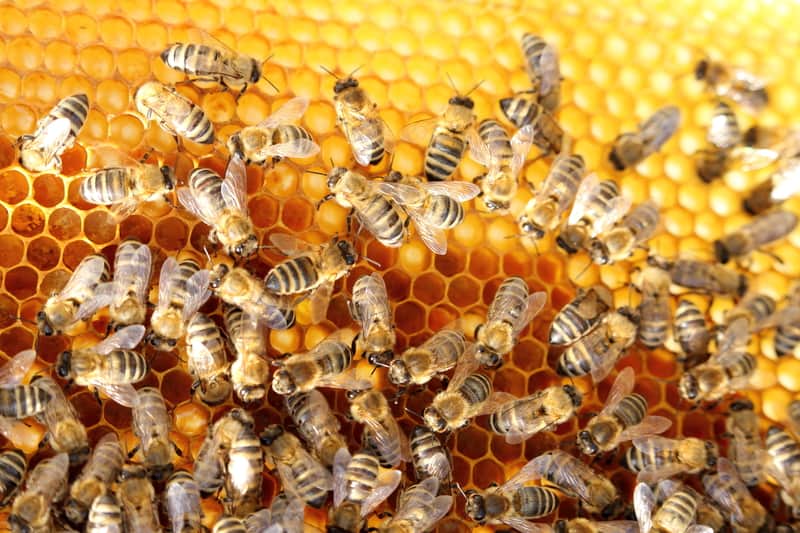
- Honey bee nests are made of golden-yellow to light brown wax comb with hexagon-shaped cells.
- Indoor honey bee hives are commonly found inside wall voids, attics, chimneys, and other sheltered spaces.
- A honey bee nest in a house can continue growing over time, potentially causing structural damage and increasing the risk of stings if disturbed.
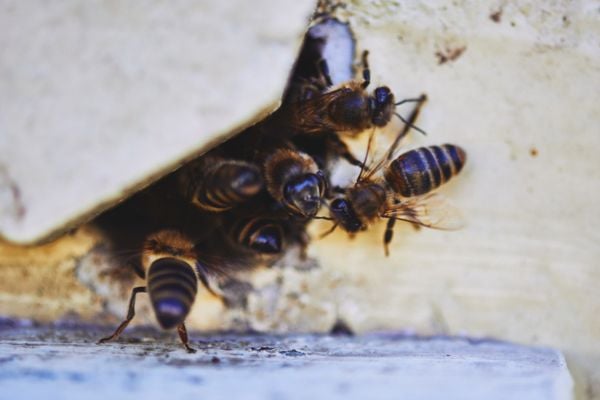
- Signs of a honey bee nest may include bees repeatedly flying in and out of the same opening, buzzing sounds inside walls, or increased bee activity around your home.
- Attempting DIY honey bee nest removal can make the problem worse by agitating the colony, forcing bees deeper into the structure, or leaving behind honey and comb that attract other pests.
Jump to section:
What do honey bee nests look like?
How do honey bees make their hives?
How to check your home for a honey bee nest
How to get rid of a bee’s nest in your home
Should you get rid of a honey bee hive if it’s outside, but near your home?
Finding a honey bee nest in your house can be concerning because the colony may continue to grow over time, potentially causing structural damage and posing a safety risk if disturbed. Honey bees are about half an inch long, with golden-brown fuzzy bodies. Indoors, their hives may be found in wall voids, attics, chimneys, soffits, or other sheltered spaces.
While individual bees are small, a honey bee nest in your house can grow surprisingly large over time as the colony expands. If you’re finding bees in or around your home, Terminix can inspect your property and recommend a safe, effective bee control solution tailored to your home.
What do honey bee nests look like?
Honey bee nests are made of wax comb structures that are typically golden yellow to light brown in color, with hexagon-shaped cells. If the honey bee hive is in your house, it may be inside wall voids, attics, or other enclosed spaces.
Honey bee nests look very different from the gray, papery nests made by wasps and hornets. If you’re trying to identify which insect built a nest in or near your home, look for fuzzy, yellowish-brown bees with black stripes flying in and out of the same opening. This can help you determine if it’s honey bees or another stinging pest, such as yellow jackets or hornets, but be sure to observe from a distance.
Where do honey bees nest?
Honey bees typically build their nests in sheltered, hollow spaces such as tree cavities, rock crevices, or protected structural voids around homes. A honey bee hive in the house may develop inside walls, attics, chimneys, soffits, crawl spaces, or sheds where the colony is protected from weather and predators.
It's rare to have more than one honey bee hive in a house since suitable, large, hollow spaces are limited, but it's not impossible if there are distinct, separate areas.
How do honey bees make their hives?
Most of the hive consists of comb, a series of interlocking hexagonal cells made from wax. To produce wax, a worker bee consumes honey, converts the sugar within her body, and chews it, mixing it with saliva to make it pliable. Each cell is formed from many tiny pieces of this wax, which are repeated tens of thousands of times as the hive expands. A well-established honey bee nest can survive for several years under the right conditions.
How to check your home for a honey bee nest
If you suspect a honey bee nest in your house, it’s important to inspect the area carefully and avoid disturbing the colony. Honey bees are generally less aggressive than wasps, but they may sting if they feel threatened, especially near an established hive.
- Bees gathering near light fixtures or windows indoors
- Sticky stains or discoloration on walls or ceilings caused by honey
- Small amounts of wax or dead bees near entry points
- Increased bee activity during warmer parts of the day
1. Watch for bee activity
From a safe distance, examine the outside of your home and look for bees repeatedly flying in and out of the same small opening(s). Check around siding, vents, rooflines, chimneys, soffits, or gaps near windows and doors.2. Listen for hidden activity Inside the home, listen for faint buzzing or humming sounds coming from walls, ceilings, attics, or fireplaces. In some cases, large colonies may also generate heat within walls due to the number of bees clustered together.
3. Look for additional signs Other signs of an indoor honey bee hive can include:
4. Inspect safely Avoid tapping on walls, spraying chemicals, or attempting to seal entry points yourself, as this can agitate the colony and potentially force bees deeper into your home. If you inspect closer areas outdoors, wear long sleeves, closed-toe shoes, and gloves for protection. A flashlight and binoculars can also help you safely inspect higher or hard-to-reach areas without getting too close.
It’s important to remember that not every cluster of bees means there’s an active hive inside your home. A swarm is a temporary group of bees that can be seen clustered on a tree branch, fence, or exterior surface while searching for a new nesting site. An established colony has already built comb inside a protected space, such as a wall void, and typically requires professional treatment to address the hive, honey, and remaining bees.
How to get rid of a bee’s nest in your home
If you find a honey bee hive in your house, the most important step is to avoid disturbing it and contact a pest control professional or beekeeper for safe removal. Honey bee colonies inside structures can be difficult to access, and improper removal can cause bees to spread deeper into walls or return to the same location.
Professionals can inspect the area, identify potential entry points, safely remove or relocate the colony, and address any leftover comb and honey. If the entire nest is not removed, any remaining nest material inside walls can melt, leak, or rot over time, which may attract additional pests such as ants or rodents.
Professional wall-void removal
Professional wall-void removal can be performed when a honey bee hive is fully established inside a hidden space, such as a wall cavity or soffit. In these cases, professionals may need to open a section of the wall or exterior to access and remove the hive.
Because bees help regulate hive temperature by circulating air with their wings, leftover honey can begin to melt and leak once the colony is removed, so any needed wall repairs or contractor work should be coordinated promptly after treatment. The opening can then be sealed and repaired to help prevent the colony from returning.
Common bee nest removal mistakes to avoid
Trying to handle a honey bee nest in your house on your own can make the problem worse, more expensive to fix, and put yourself or your family at risk of being stung.
One of the biggest mistakes is attempting DIY removal with sprays, smoke, or sealing entry points, which can trap bees inside, drive them deeper into the structure, or increase aggression. People also tend to underestimate the size of an established honey bee hive or wait too long to act, allowing the colony to grow and spread. Sealing openings too early can also force bees to find new exit points inside the home.
Should you get rid of a honey bee hive if it’s outside, but near your home?
If a honey bee hive is outside and away from high-traffic areas, it may be best to leave it undisturbed since bees are important pollinators and are usually not aggressive unless threatened. However, if the hive is near entrances, play areas, pets, or other areas where people regularly gather, it’s best to contact a beekeeper or pest control professional. These experts have the proper protective equipment and experience for safe honey bee nest removal.