Are mice afraid of dogs?
Content updated: September 17, 2026
Key takeaways
- While a pet's presence might deter rodents, a dog will not entirely keep mice away from your home.
- The relationship between mice and dogs is complex, as leftover dog food, shed fur, and outdoor pet shelters can actually attract rodents.
- To help prevent a mouse infestation, safely store pet food in chew-proof containers, seal exterior gaps, and frequently clean up pet hair.
- Letting pets hunt rodents exposes them to disease, and using DIY poisons can pose fatal health risks if ingested.
- Professional rodent control services can help address a rodent infestation without putting your pets at risk from harmful chemicals or improperly placed traps.
Jump to section:
How to help keep mice away from your home
How to help keep your dogs safe during a mice infestation
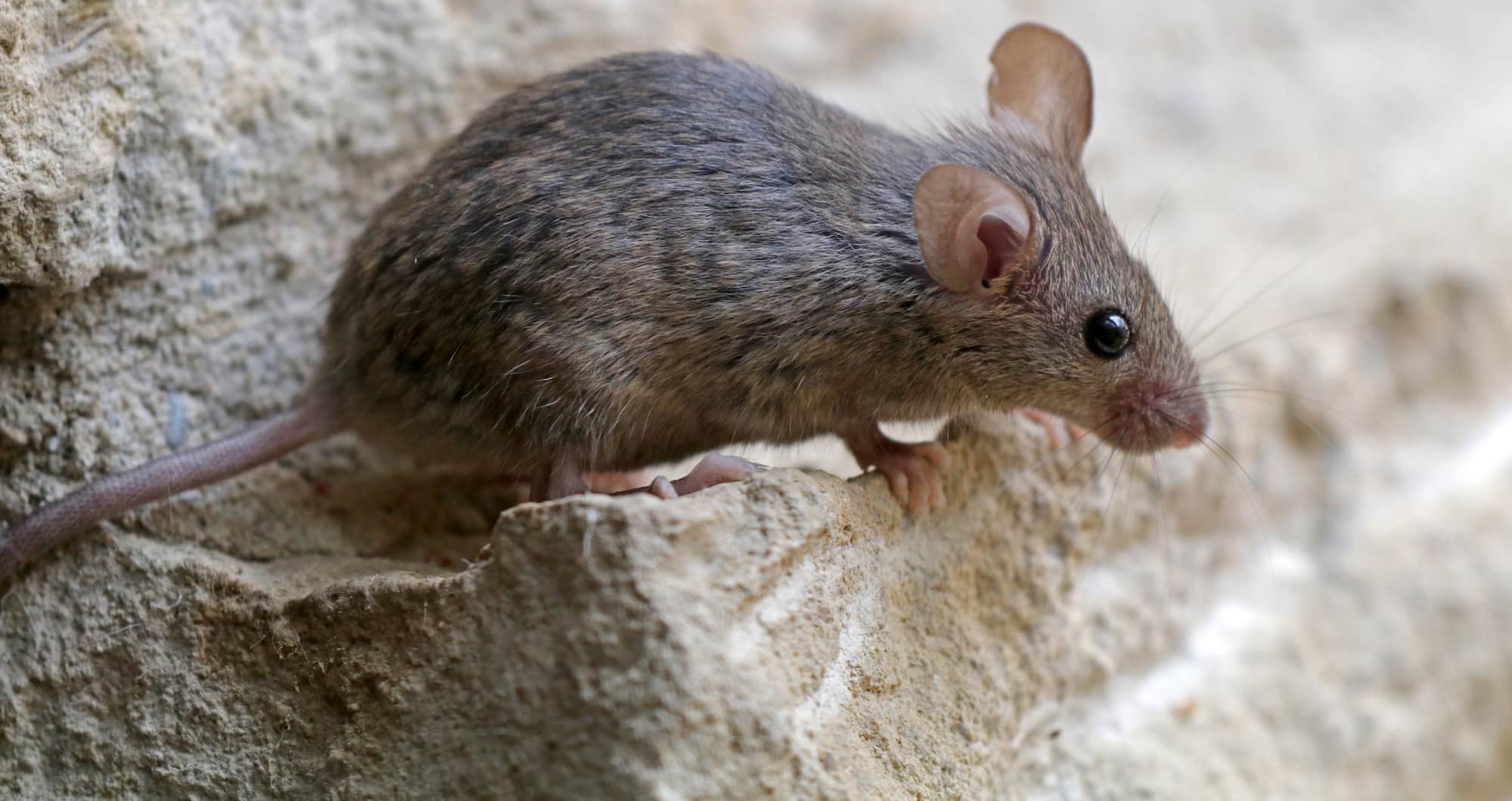
When you share your home with a dog, you might assume their mere presence acts as a natural form of mice control. After all, given a dog's size and sharp senses, it’s completely logical to assume that mice are afraid of dogs. While these tiny rodents will certainly try to avoid large, loud animals, the everyday dynamic between mice and dogs might surprise you. A loud bark might act as a temporary deterrent, but banking on your furry friend to keep your house entirely rodent-free isn't a foolproof plan.
Will your dog keep mice away?
Dogs will not entirely keep mice away. While a dog’s active presence and predator scent might make a mouse think twice, rodents are highly adaptable. They quickly learn to navigate around your pet and stick to the shadows. However, thanks to a dog’s superhuman hearing and smell, they can usually detect a hidden mouse long before you do.
If your pup obsessively sniffs baseboards, whines near appliances, or acts unusually alert, you might have a visitor. When it comes to hunting, the outcome heavily depends on the breed. While most people picture the classic rivalry between cats and mice, high-prey-drive dogs like terriers are actually hardwired to chase pests, too. Meanwhile, a relaxed breed might just snooze right through the invasion.

Do dogs attract mice?
Surprisingly, owning a dog can sometimes bring mice closer to your property. It isn't the dog itself that attracts them, but the resources that come with pet ownership:
- Pet food: Leftover kibble in bowls or unsealed food bags is a major draw for hungry rodents.
- Nesting materials: Shed dog fur is soft and warm, making it the perfect building material for a mouse nest.
- Shelter: Outdoor dog houses provide a safe, insulated space that mice love to use, especially when the weather turns cold.
How to help keep mice away from your home
Instead of relying on your dog to get rid of mice, taking proactive steps around the house is a much more effective approach. Some helpful mice prevention tips include:
- Store pet food securely: Keep all dog food in airtight, chew-proof containers and pick up their food bowl right after mealtime.
- Maintain a clean home: Vacuum up pet hair regularly and wipe down counters to remove crumbs.
- Seal entry points: Inspect your home's exterior and seal any cracks, gaps, or holes with steel wool and caulk.
- Manage your yard: Keep outdoor dog houses clean and remove debris or tall grass that rodents could use for cover.
- Use deterrents: Consider placing smells mice hate, like peppermint oil, around entryways as an added layer of defense.
How to help keep your dogs safe during a mice infestation
When a mouse problem strikes, your dog’s well-being should be top of mind. While it might seem natural to let your dog chase them, hunting mice exposes your pet to diseases, harmful bacteria, and parasites. Additionally, DIY pest control methods like rodenticides pose a serious threat; if your dog ingests the poison or a poisoned mouse, the results can be fatal. To keep your pet safe, avoid using over-the-counter poisons and standard snap traps in areas your dog can reach.
The best way to protect both your home and your pets is to call in the professionals. Terminix technicians know where mice hide, what attracts them, and how to remove them without putting your pets at risk. Schedule a free mouse inspection to get started.