Bug Facts
Bugs that look like bed bugs
Content Updated: March 3, 2026
Key takeaways
- Many insects can look like bed bugs at first glance, so seeing a small brown bug doesn’t automatically mean you have a bed bug problem.
- Bed bugs are typically around the size of an apple seed, flat, and oval, which is why they can be confused with other pests, such as ticks, fleas, carpet beetles, and bat bugs.
- While some bed bug look-alikes bite or feed on blood, others are harmless household pests that behave very differently.
- Correct identification helps you understand the potential risks and determine the next appropriate steps.
Jump to section:
- Common bugs that are mistaken for bed bugs
- Ticks
- Book lice
- Carpet beetles
- Fleas
- Spider beetles
- Bat bugs
- Cockroach nymphs
- Mites
- Which of these bugs should I be concerned about?
While bed bugs are a concern, spotting a similar-looking insect doesn’t always mean you have an infestation. There are many bugs that look like bed bugs and can easily be mistaken for them. Adult bed bugs are about the size of an apple seed with flat, oval-shaped bodies that range from light brown to reddish-brown.
Accurate identification is important, as bed bugs feed on blood and their bites can cause itchy welts, skin irritation, or allergic reactions. Professional bed bug control is the best method to get rid of these resilient pests. Their numbers can quickly multiply, and they’re resistant to many store-bought insecticides.

Common bugs that are mistaken for bed bugs
Spotting a small, brown bug in or around your bed can be unsettling, but it doesn’t always mean you’re dealing with bed bugs. Several insects, such as ticks, spider beetles, fleas, and bat bugs, are all bugs that may look like bed bugs at first glance. While these pests may look similar, their behaviors and risks can be very different.

Ticks
- Color: Varies from reddish-brown to dark brown or black
- Size: Ranges from pinhead-sized to about ½”, depending on the life stage
- Shape: Oval and flat (may appear swollen after feeding)
- Wings: None
- Threat: Can bite and may transmit diseases
- Diet: Blood from mammals, birds, and sometimes reptiles and amphibians
- Indoor habitat: Don’t typically infest homes, but can be brought inside on pets, clothing, or outdoor gear
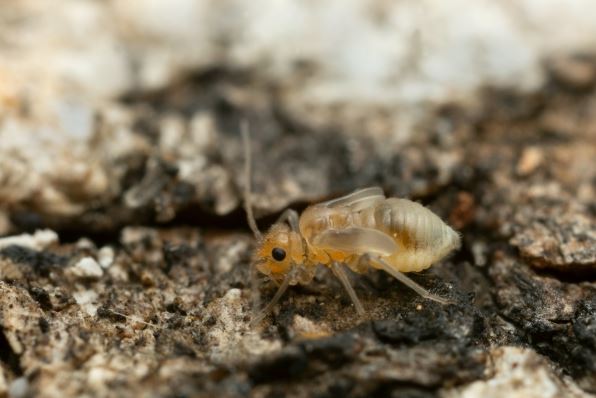
Book Lice
- Color: Pale yellow or brown
- Size: 1/32”, roughly the size of a grain of sand
- Shape: Soft-bodied, elongated, and somewhat oval
- Wings: None
- Threat: Does not bite humans
- Diet: Mold, fungi, and organic materials found in paper, glue, and starches
- Indoor habitat: Damp, humid areas such as basements, bathrooms, and kitchens
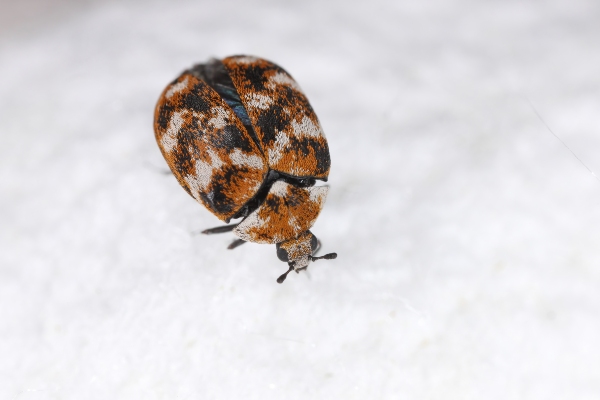
Carpet Beetle
- Color: Varied colors, including black, white, brown, yellow, and orange in patterned markings
- Size: 1/16” to ⅛” long, about the size of a sesame seed
- Shape: Oval
- Wings: Yes
- Threat: Does not bite
- Diet: Wool, silk, leather, fur, hair, and dander
- Indoor habitat: Can be found in carpets, rugs, closets, and upholstered furniture
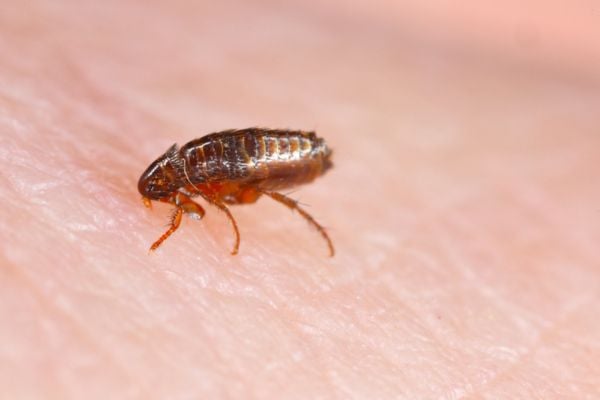
Fleas
- Color: Dark reddish-brown
- Size: About 1/16” to ⅛”, similar to a sesame seed
- Shape: Flat with hard, shiny body
- Wings: No
- Threat: May bite mammals or humans
- Diet: Blood from mammals
- Indoor habitat: Carpets, rugs, pet bedding, upholstered furniture, and areas where pets sleep or rest
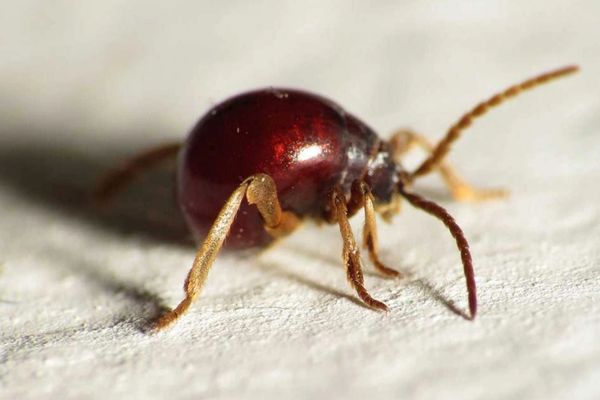
Spider Beetle
- Color: Reddish-brown to dark brown or black
- Size: About 1/16” long
- Shape: Oval, can be mistaken for spiders
- Wings: Yes, but rarely fly
- Threat: Does not bite humans
- Diet: Omnivorous, feeds on crumbs, fabrics, and organic debris
- Indoor habitat: Can be found in pantries, basements, attics, and wall voids
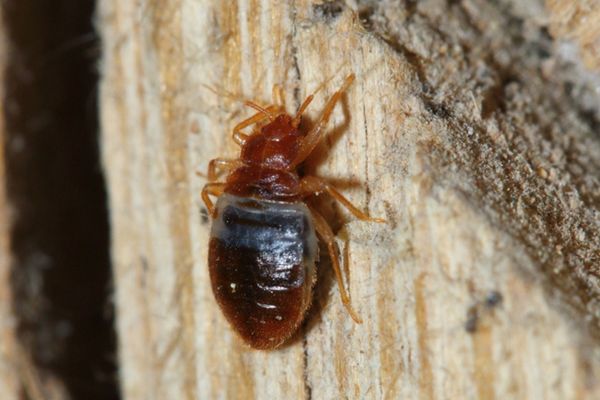
Bat bugs
- Color: Reddish-brown to dark brown
- Size: About ⅛”, similar to bed bugs
- Shape: Oval and flat, nearly identical to bed bugs in appearance
- Wings: None
- Threat: Can bite humans if their primary host is unavailable
- Diet: Primarily feeds on bat blood
- Indoor habitat: Typically found in attics, wall voids, chimneys, and areas near bat roosts
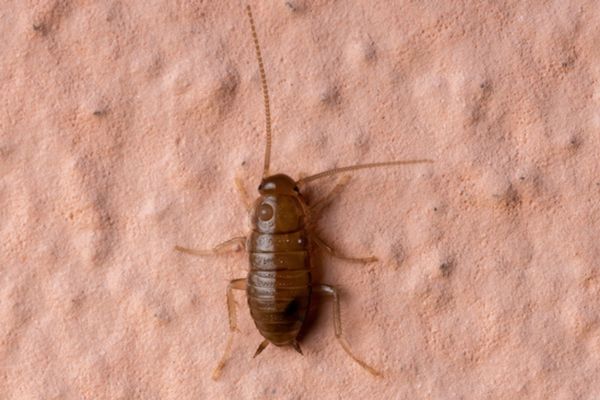
Cockroach nymphs
- Color: Light brown to dark brown, depending on species
- Size: About 1/16” to ¼” long, depending on age and species
- Shape: Oval and flattened, similar in shape to adult cockroaches
- Wings: None (nymphs are wingless)
- Threat: Do not bite, but can spread bacteria and trigger allergies
- Diet: Omnivorous, feeding on food scraps, grease, paper, and organic matter
- Indoor habitat: Commonly found in kitchens, bathrooms, basements, behind appliances, and inside cabinets
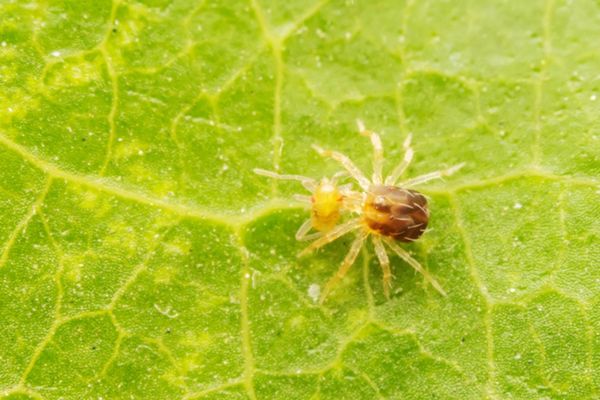
Mites
- Color: Varies by species; can be white, tan, brown, or reddish
- Size: Barely visible to the naked eye
- Shape: Round to oval, very small, and hard to distinguish
- Wings: None
- Threat: Some mites can bite or cause skin irritation
- Diet: Varies by species
- Indoor habitat: Can be found in bedding, carpets, furniture, stored food, and pet areas
Which of these bugs should I be concerned about?
Many bugs that look like bed bugs, including ticks, fleas, and cockroach nymphs, can pose potential health risks or quickly become larger infestations if not handled properly. These pests reproduce quickly and can be difficult to identify accurately, making targeted treatment challenging without professional tools and experience.
DIY treatments often fall short because store-bought products do not reach hidden pests or address eggs, allowing the problem to return. Luckily, Terminix can help with many of these persistent pests! Our technicians have the training and expertise to effectively treat for bed bugs. Schedule your free bed bug inspection to get started.