Home Garden
What to expect during wildlife removal and inspections
Content Updated: September 25
Key takeaways
- Before a wildlife inspection, clear access to areas where animals may be hiding, such as attics, crawl spaces, and basements.
- Document signs of wildlife activity to share with your technician, including droppings, chewed wires, gnawed wood, and unusual noises.
- Write down any questions or concerns you have for your technician, including what may be attracting wildlife, how animals will be removed, and how to help prevent future problems.
- Keep pets and young children away from the inspection area so the technician can work safely.
- After the inspection, follow professional recommendations, monitor for signs of returning wildlife, and schedule follow-up inspections as recommended.
Jump to section:
Prepare your house for inspection
Write down wildlife questions for your technician
After your wildlife control visit
Learning how to prepare for a wildlife control visit or inspection can help ensure the process is thorough, efficient, and effective. Taking a few simple steps can make it easier for your technician to assess your property, identify potential entry points, and develop a tailored wildlife removal and control plan.
Prepare your house for inspection
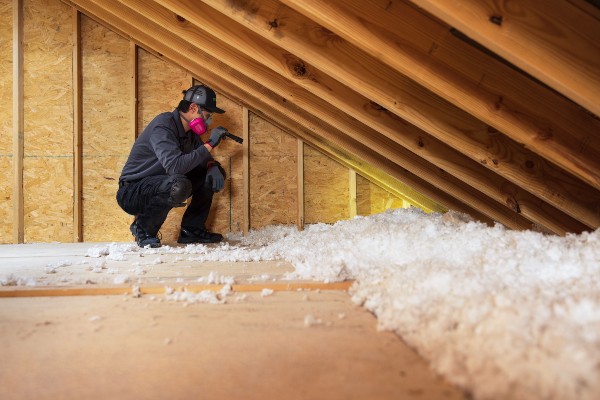
To prepare for your wildlife inspection, you can help your technician by creating an environment where they can easily access critical areas and work safely.
- Clear access points: Wondering how to prepare for wildlife control? Start by clearing access points to areas like your attic or crawlspace. Wildlife often hides in hard-to-reach places like attics, crawlspaces, basements, or behind walls. Make sure these areas are clear of clutter and accessible for a thorough inspection. Move any furniture, boxes, or obstacles that block entry points or limit visibility.
- Secure pets and children: For everyone's safety, keep pets and young children in a secure area away from the inspection zone.
- Document pest damage: Note any unusual signs or damage you’ve noticed, such as chewed wires, droppings, gnawed wood, or unusual noises. Sharing these observations with your technician can help them during the inspection.
Write down wildlife questions for your technician
As you prepare for your wildlife inspection, take a moment to jot down any questions or concerns you have about the pests in your home. This ensures you won’t forget important details during the inspection. Consider asking about:
- Signs of wildlife activity you’ve noticed
- What might be attracting the animals to your home
- Prevention tips to avoid future infestations
- What removal methods will be used
- If the pest control company can repair damage caused by nuisance wildlife
After your wildlife control visit
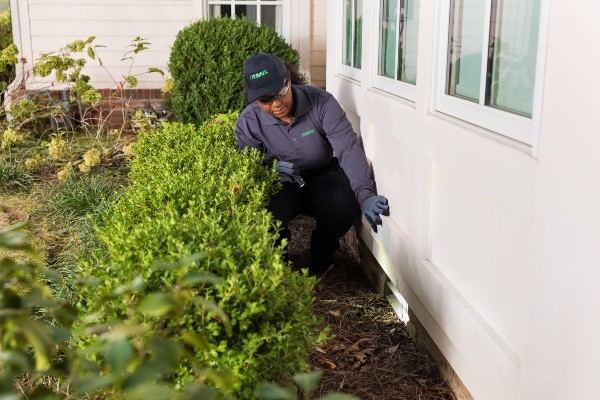
Once our experts have completed the wildlife inspection and a treatment plan has been determined, taking a few proactive steps is important to help keep your home protected. Here’s what you can do between visits:
- Follow professional advice: If our professionals recommend immediate actions, such as removing food sources outdoors, implement these steps promptly. These small efforts can help make a big difference in preventing re-entry.
- Monitor for recurrence: Keep an eye out for signs of wildlife returning, such as droppings, scratching sounds, or disturbed areas around your home.
- Schedule follow-up visits: Follow-up inspections are key to ensuring the problem is fully resolved. Wildlife can be persistent, and these additional checks help us confirm that your home remains protected.
Terminix professionals are here to guide you through every step of the process, ensuring you understand how to prepare for wildlife control. Schedule your free wildlife inspection today!