


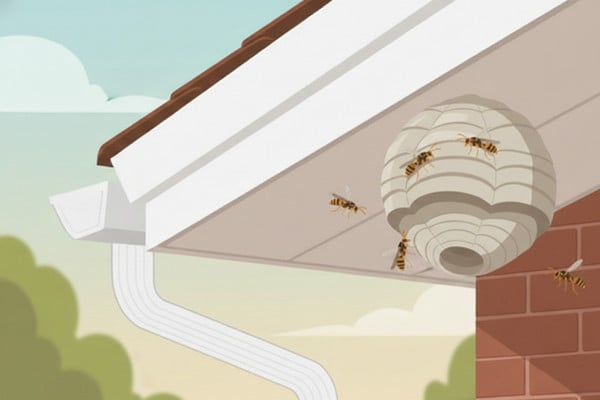
Papery, umbrella-shaped nests
Grey, layered combs made from chewed wood pulp, often found hanging from eaves, branches, or fence posts.

Wasps and hornets can turn your backyard into a no-go zone fast. If you've spotted a nest on your property, Terminix Wasp Control can help you take it back.
Your Terminix technician will inspect the outside of your home to find all areas of wasp activity, then put together a wasp control plan specific to your property. Depending on the species, nest location, and size of the infestation, treatment may include one or more of the following wasp removal methods.
Aerosol insecticide is a fast-acting product applied directly to a visible, accessible nest to knock down the colony quickly. Your technician will use professional-grade aerosols that are stronger and more effective than store-bought options, and apply them from a safe distance with proper protective gear.
Unlike an aerosol that targets an active nest, repellent liquid residual works as a protective barrier. It's applied to surfaces around your home after the colony has been handled, drying into a long-lasting residue that discourages wasps from landing and nesting in those spots. Your technician will treat common nesting areas like eaves, window frames, and fencing, so the protection keeps working well after the visit is done.
Sometimes called insecticidal dust, residual dust is a highly effective way to tackle wasp nests hidden in hard-to-reach spaces, such as wall voids, underground burrows, gaps in siding, or inside decks. Technicians may use a very fine, dispersible dust to penetrate deeply into the nest and coat its internal surfaces. Wasps that enter or leave the nest pick up the dust on their bodies, carrying a lethal dose back to the colony. This method is useful for controlling hidden or hard-to-access nests.
Once the colony has been treated and is no longer active, your technician will physically remove and dispose of the nest. Wasp removal is an important final step because an empty nest left behind can attract new wasps looking for a ready-made place to settle. Your technician handles the entire process with proper protective equipment, so you don't have to get anywhere near it.

Applied with care for the people and pets you love

Smart, targeted approaches designed with the environment in mind

Local technicians who understand your area’s unique pest challenges
Grey, layered combs made from chewed wood pulp, often found hanging from eaves, branches, or fence posts.
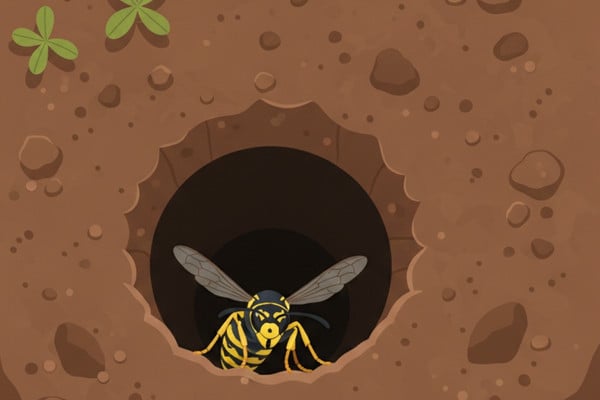
A small entry hole with steady, fast-moving traffic of wasps flying in and out.
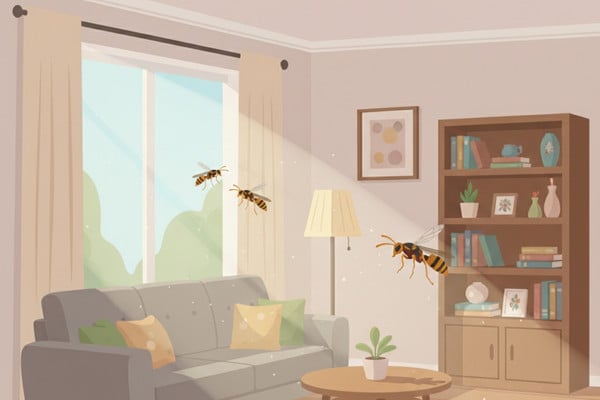
Wasps repeatedly seen near the same window, vent, or ceiling corner.
Pale, scratched patches on wood where material has been harvested for nest building.
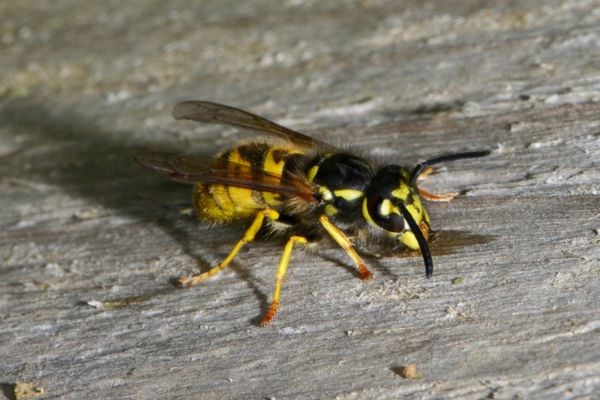
Yellowjackets are among the most common stinging insects homeowners encounter. They're small, with black and yellow banding, and tend to build nests in the ground, inside wall voids, or in low shrubs. They can be especially aggressive when they feel threatened.
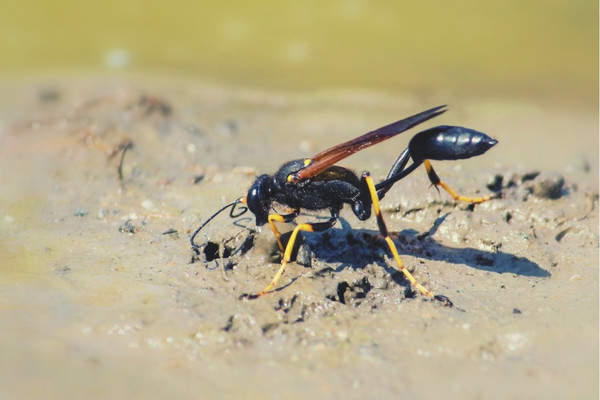
Mud daubers are solitary wasps that build small, tube-shaped nests out of mud. You'll usually find them on walls, under eaves, or inside garages and sheds. They're not aggressive and rarely sting, but their nests can still be a nuisance.
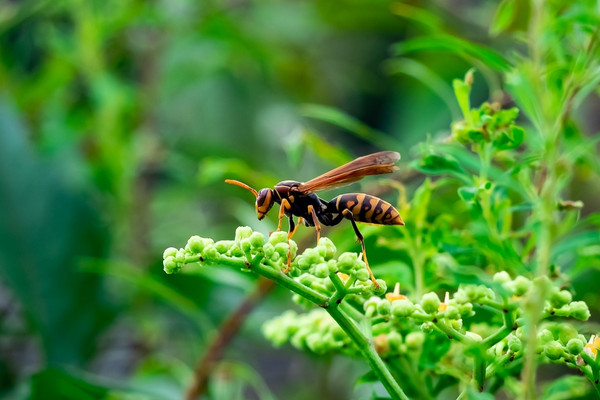
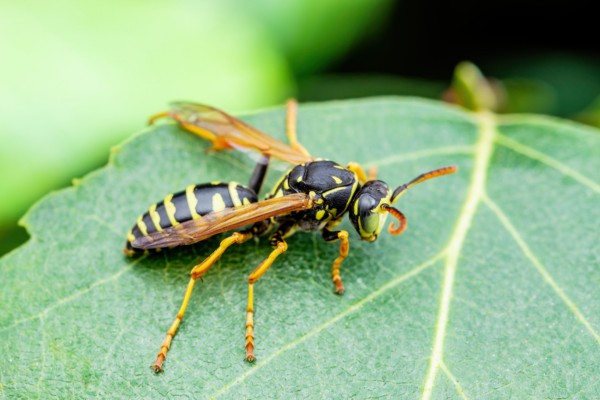
Paper wasps are slender with long legs that hang down when they fly. They build open, umbrella-shaped nests made from chewed wood fiber, and you'll often find them under eaves, on fences, or inside grills and outdoor furniture. They may sting if they feel the nest is in danger.
Here’s what our customers have to say...
Lukfin, TX
My family is on the Terminix yearly subscription with quarterly sprays for the outside of our home. We had several issues with wasps, primarily, and thanks to our service technician, Stevie Ethridge we have had little to no issues with them. We’ve had to call Stevie out several different times for extra sprays and he’s always accommodated us to the best of his ability! Overall, we’ve been satisfied with Terminix.
2 weeks ago
Boise, ID
Great professional service. Found a big wasp nest and took care of it!
3 months ago
San Jose, CA
Matthias is a wonderful Terminex technician. He is great with general inspections & maintenance & has also gotten rid of the wasp nests in our backyard two years in a row. He is a pleasure to work with!
5 months ago
Marietta, GA
Ray came by when he said he would and did am exemplary job on not only removing wasps but finding them.
5 months ago
Your Terminix technician will inspect the outside of your home for signs of wasps and active nests. Some nests are easy to spot, while others may be hidden inside wall voids, under decking, or underground.
Once the nest is located, your technician will apply the right treatment, then safely remove and dispose of it. Wasp nest removal is just as important as treatment since an old nest left behind can attract new wasps.
Your technician will also recommend prevention steps to help keep wasps from returning. If you're on a recurring stinging insect control plan, your technician will check for new activity during regular visits.
Wasp exterminator cost can vary depending on a few factors, including the size of the infestation, where the nest is located, and how many nests need to be treated. To get an accurate price, schedule an inspection so your technician can assess what's going on at your home and give you a quote based on your specific situation.
Wasps are drawn to sweet smells and sugary foods, including fruit, soda, and floral scents. Later in the summer, they also start seeking out proteins, which is why you'll often see them buzzing around cookouts and garbage cans. A few steps that can help make your yard less inviting:
Home remedies for wasps, like DIY sprays or store-bought cans, are tempting to reach for, but most of the time, they don't fully solve the problem. Spraying a nest without the right protective gear can trigger a fast, aggressive response from the colony. Many DIY methods can also stain surfaces, like siding, or damage/kill plants, since they're often oil-based products. Professional wasp control is the safer and more effective route. Terminix technicians have the training, protective equipment, and products needed to treat the nest and remove it.
If you're stung by a wasp, the first step is to quickly remove the stinger if it's still in your skin. Next, wash the area with soap and water and apply a cold compress or ice pack to help reduce swelling and pain. If you have an allergic reaction or develop symptoms such as difficulty breathing, swelling of the face or throat, rapid heartbeat, or hives, seek medical attention immediately.
When it comes to wasps vs hornets, the main differences come down to size and body shape. Wasps tend to be smaller with a slender build and a noticeably narrow waist. They build nests in a wide range of places, including trees, shrubs, under eaves, inside walls, or even underground, depending on the species. Hornets are bigger with thicker, more rounded bodies and tend to be more aggressive, with stings that hurt more. Both can be dangerous, and it's best to contact a professional for wasp and hornet control services if you suspect an infestation.





.jpg?h=400&w=600&rev=5577fef838254e42b4afdeb2f23199d5&hash=6AA4423A7DA5734DF06DD0A30C1DBF88)
.jpg?h=400&w=600&rev=9f0ae311a2234bfdac22db9f424bc591&hash=CACBA0A7814A0007EFC022D1E387222D)