
Understanding stinging insects and their behavior
Key takeaways
- Stinging insects include bees, wasps, and hornets, with species that live in colonies often being more defensive because they have nests to protect.
- Honeybees die after stinging, while most other stinging insects, including wasps, hornets, and bumblebees, can sting multiple times.
- Many stinging insects play important ecological roles, including pollination and helping control pest populations.
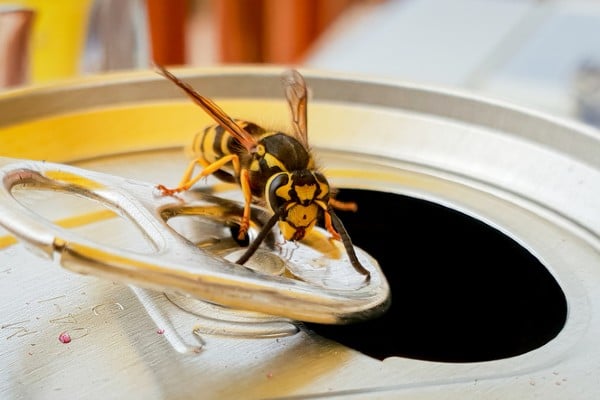
- Wasps and hornets are often attracted to sugary foods and drinks, particularly in late summer and fall when natural food sources become scarce.
- Attempting to destroy a wasp or hornet nest can be dangerous because these insects may aggressively defend their colony and rebuild the nest if it is not completely eliminated.
Jump to section:
Are all hornets and wasps aggressive?
Do all stinging insects die after they sting?
Are all stinging insects bad for the environment?
Can stinging insects chase you if you run?
Are stinging insects only active during the day?
Will destroying a hornet or wasp nest get rid of them?
Are stinging insects attracted to sugary drinks and foods?
Stinging insects include bees, wasps, and hornets, which use their stingers primarily as a defense mechanism. While some species live in large colonies and aggressively defend their nests, others are solitary and rarely sting unless disturbed.
There are many misconceptions about stinging insects and their behavior, including whether bees die after they sting and how aggressive different species can be. Understanding the facts about stinging insects can help you stay safe and respond appropriately when you encounter them around your home.
Are all hornets and wasps aggressive?
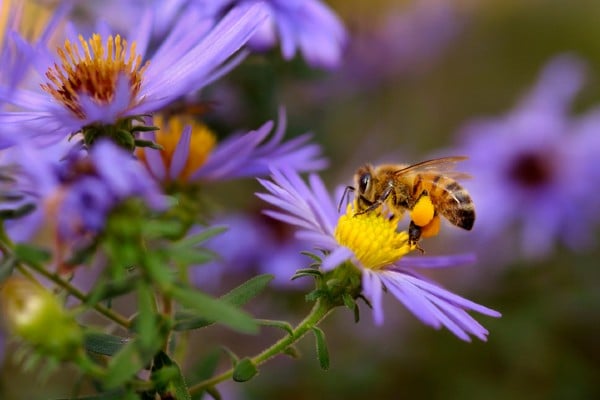
Not all hornets and wasps are aggressive, but some species, like yellow jackets, European hornets, and paper wasps, can become defensive and sting multiple times if their nests are disturbed. Mud daubers are a less aggressive species that rarely sting.
These stinging insects can be provoked in several ways:
- Disturbances near the nest usually trigger the most aggressive behavior. This can include vibrations, loud noises, or physical contact with the nest.
- Rapid or sudden movements near a nest can also provoke an aggressive response.
- Swatting at them or getting too close to their food sources (sugary drinks, food, etc.) could provoke them to sting.
Do all stinging insects die after they sting?
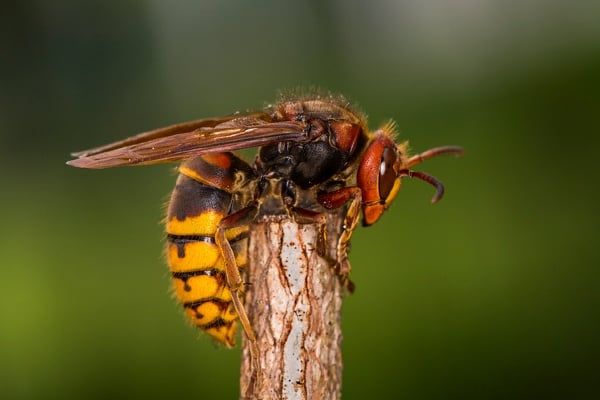
Not all stinging insects die after they sting; in fact, most survive. Honeybees are unique among stinging insects because they die after, although they often continue to fly around in an aggressive manner to scare away the threat to the nest. The barbs on their stingers get lodged in the skin when they attack, so when they try to fly away, part of their abdomen also tears away.
Bumblebees, another colonial bee, may also aggressively defend their nest if it is disturbed. They can sting repeatedly and painfully.
Do wasps die after they sting? In contrast, wasps have smooth stingers that allow them to sting multiple times without dying. So, do hornets die after they sting, then? Again, no. They also have smooth stingers that allow them to sting multiple times.
Interestingly, some wasps and bees can also bite as a defense mechanism. These insects typically bite as part of their defense or hunting strategy, using both biting and stinging to subdue prey or protect themselves from threats.
Are all stinging insects bad for the environment?
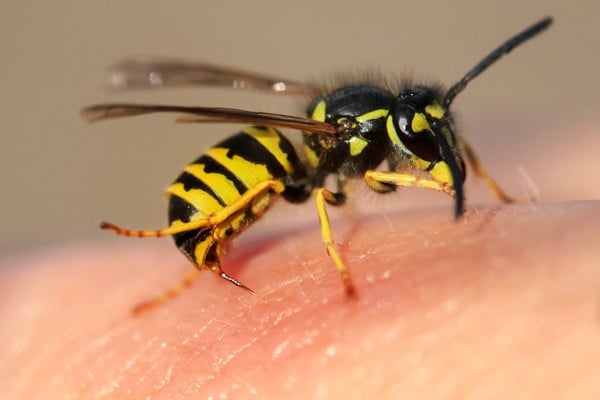
Not all stinging insects are bad for the environment; many play crucial roles in ecosystems. Bees are beneficial to the environment because they are pollinators that help pollinate a large percentage of the world's flowering plants and crops.
Are wasps bad for the environment? Wasps can benefit the environment because they help control some insect populations and contribute to pollination.
Are hornets bad for the environment? Hornets can help control pest populations by preying on insects like flies, caterpillars, and other pests. They also contribute to pollination. However, invasive species like the Northern giant hornet, often called "killer wasps," can be harmful as they threaten native bee populations and disrupt local ecosystems.
Can stinging insects chase you if you run?
Stinging insects like bees, wasps, and hornets might chase you if you run, particularly if their nest is disturbed. Wasps and hornets are more likely to pursue a perceived threat because they are more aggressive and protective of their nests.
Colonial bees will chase a threat to their nest. Bumblebees and honeybees can chase for a few dozen yards, and Africanized honeybees for up to a mile. Honeybees will also remember a threat and re-attack it if it shows up later that day. Female carpenter bees can sting, but because they are more solitary bees, they are generally non-aggressive.
In general, it’s best to stay calm and move away slowly if you notice any nests. However, if you have already disturbed the nest and the insects have taken defensive flight, it's often best to leave the area for a closed shelter as quickly as possible. If stinging insects or their nests are becoming a problem around your home, Terminix’s stinging pest control services can help.
Are stinging insects only active during the day?
Stinging insects are most active during the day.
- Bees: Most bees, including honeybees, are active from dawn until dusk. They are especially active during sunny, warm days.
- Wasps: Wasps, including yellow jackets and hornets, are also primarily active during the day. They are most active in the late summer and early fall when their colonies are larger and foraging for food.
- Hornets: Hornets are a type of wasp with similar daytime activity patterns. They usually forage during the daylight hours. However, European hornets are well known to fly at night and are often reported by homeowners buzzing around their window screens and exterior light fixtures.
In contrast, these insects typically become less active at night and may seek shelter in their nests or other safe locations.
Will destroying a hornet or wasp nest get rid of them?
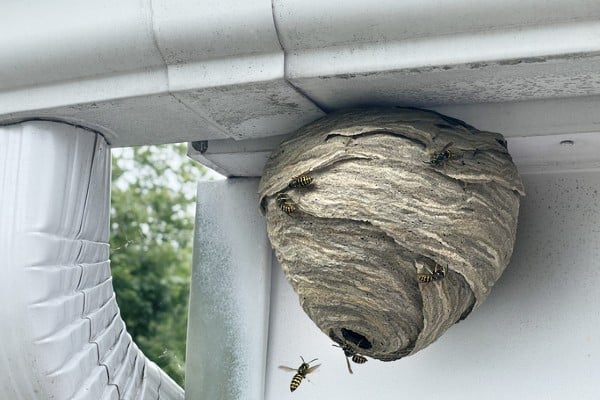
Destroying a hornet or wasp nest can eliminate some insects living there, but it is an incredibly dangerous task. Hornets and wasps are highly aggressive, especially when their nest is disturbed, and attempting to remove or destroy the nest can provoke them to defend their home aggressively, increasing the risk of stings. They will also begin to rebuild the nest if all of the hornets or wasps are not killed.
If you see a nest, it's crucial to stay away and avoid disturbing it. Instead, contact a professional pest control service to handle the removal safely. The experts at Terminix have the expertise and protective gear needed to deal with these stinging insects and ensure the nests are removed safely.
Are stinging insects attracted to sugary drinks and foods?
Yes, stinging insects, such as wasps and hornets, are attracted to sugary drinks and foods. They are drawn to sweet substances, especially during late summer and fall when their natural food sources become scarce. This attraction can cause them to hover outdoors, where sugary foods and drinks are present.
Wasps are particularly drawn to protein sources for feeding their larvae. To minimize encounters with these insects, keep sugary items and food covered when possible and clean up spills promptly.
When it comes to removing stinging insects and their nests in or around your home, don’t take any chances. Terminix professionals have the proper knowledge, training, and tools to safely remove stinging insects.