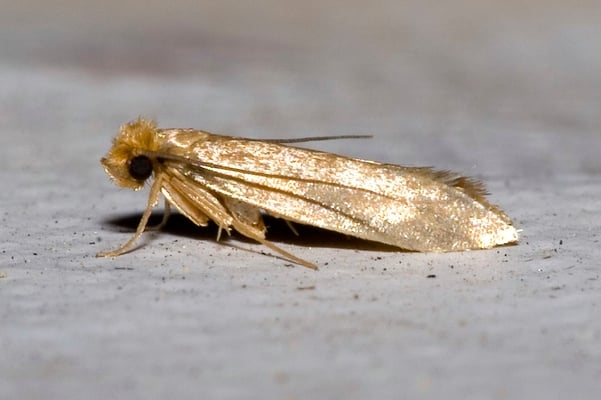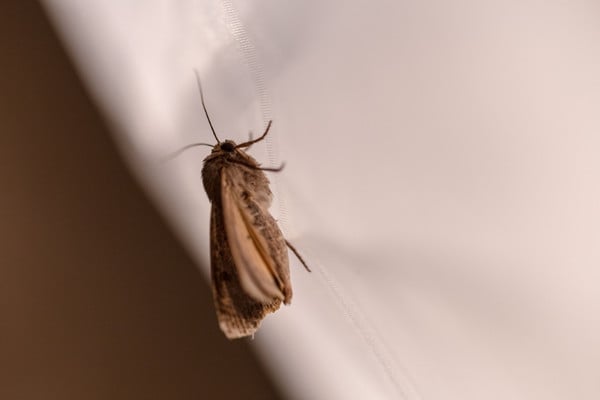



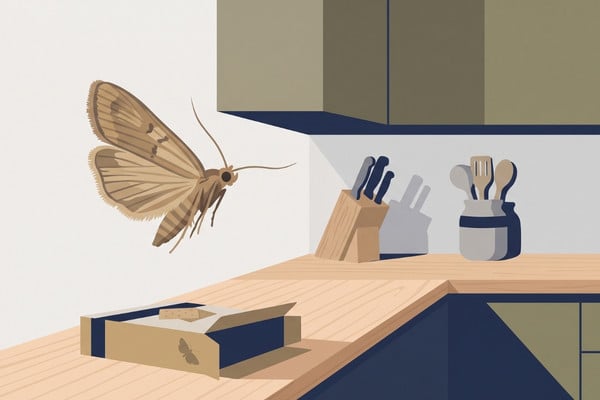
Flying moths indoors
Frequent sightings around closets, pantries, or food storage areas may indicate an active infestation.
Whether you're finding damaged clothing or finding insects in your pantry, a professional moth control service can help stop an active infestation and reduce the chance of it coming back. Since moths can be difficult to eliminate at any stage of their life cycle, professional moth treatment is often the fastest and most effective solution.
Every moth infestation is different. Depending on the type of moth, where the infestation is located, and its severity, your moth exterminator may recommend a single treatment or a combination of treatments to eliminate the problem.
Pheromone traps use species-specific attractants to lure and capture adult male moths. Terminix technicians may place them in closets, pantries, or other active areas to monitor activity, reduce breeding, and help identify the root of the moth infestation.
When appropriate, your technician may apply insect growth regulators (IGRs) or other targeted insecticides in areas where moths are active or breeding. These moth treatments help stop immature moths from developing into reproducing adults and reduce the overall population.
Your technician may apply residual liquid and dust applications in cracks, crevices, baseboards, closets, storage areas, or other locations where moths hide and develop. Moth exterminators use residual treatments on targeted surfaces to help control moths that come into contact with treated areas over time.

Applied with care for the people and pets you love

Smart, targeted approaches designed with the environment in mind

Local technicians who understand your area’s unique pest challenges
Frequent sightings around closets, pantries, or food storage areas may indicate an active infestation.
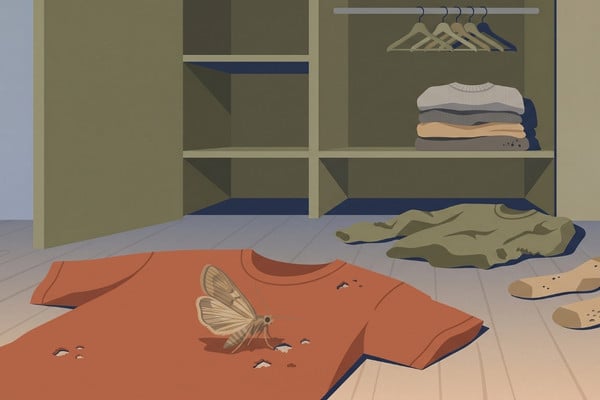
Small holes in natural fibers like wool, silk, fur, or cashmere are a common sign of clothes moths in your house.
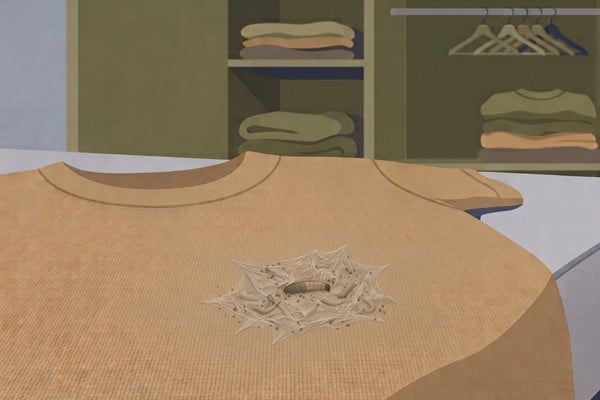
Larvae often leave behind silk webbing on fabrics, stored foods, or inside packaging.
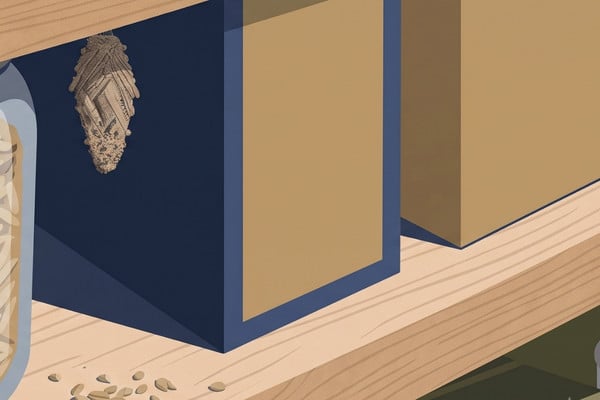
Cream-colored caterpillars or small cocoons may be found in closets, drawers, food containers, or along shelves.
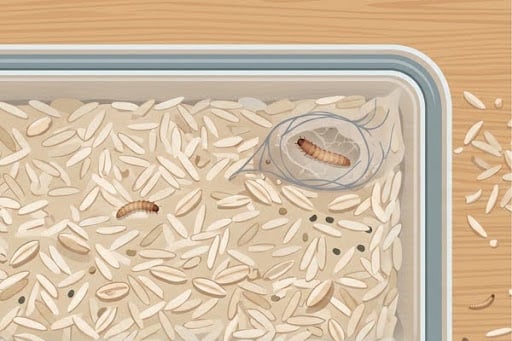
Clumped grains, webbing, or small larvae inside dry goods can indicate pantry moths.
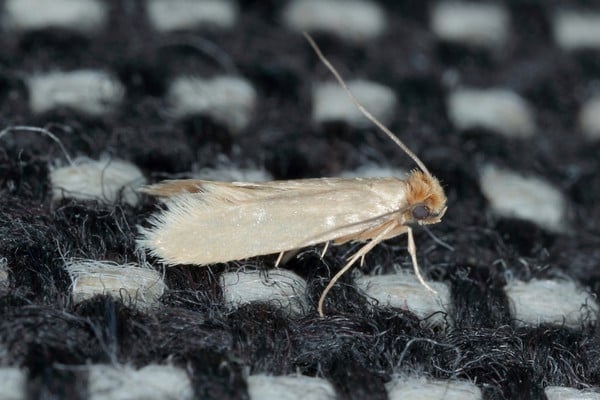
Clothes moths feed on natural animal fibers such as wool, silk, fur, and feathers. Since larvae do the damage, not adult moths, they often go unnoticed until fabrics show visible holes.
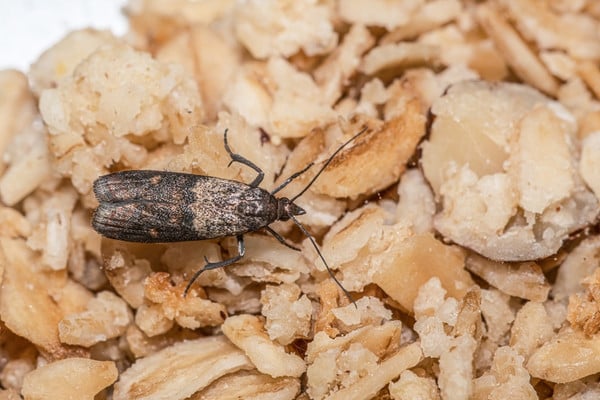
One of the most common pantry pests is the indian meal moth. They infest dry foods such as flour, cereal, rice, nuts, pet food, and birdseed, where larvae contaminate products with webbing and waste.
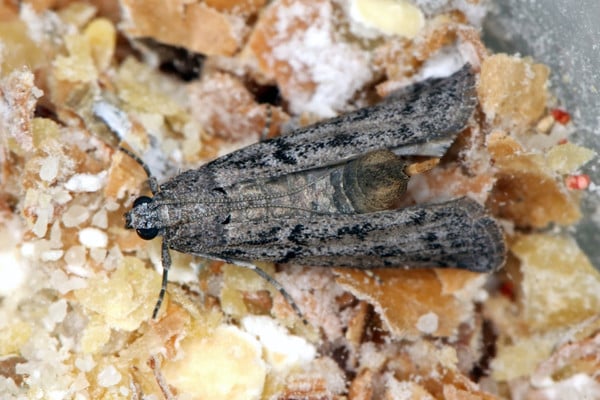
These moths commonly infest flour, grains, baking mixes, and other stored food products. Mediterranean moth infestations often spread throughout pantries and food storage areas if not addressed quickly.
Here’s what our customers have to say...
Colorado Springs, CO
We got invaded, wildlife need to stay outside not inside. Called and they came, very fast and efficient. We do have dogs I was concerned for but what they use was safe for our dogs.
3 months ago
Indianapolis, IN
Terminix did a good job of taking care of my raccoons in the attic problem. Animals were captured and removed. Terminix showed up on time as scheduled. Phone communications were very good in getting everything coordinated. The cleaning and wildlife barriers were accomplished in one day with very little mess or inconvenience.
5 months ago
St Louis Park, MN
We've used Terminix for a while now and have always been happy with their provided services. Even when 'nature finds a way' to get back where it doesn't belong, they are very prompt to swing by to take care of the problem. We recently used Terminix to remove the insulation, sanitize, and re-blow insulation into our entire attic. The process went from inspection, to quote, to completion within the same week. The crew was very respectful of our home, pets, and our time. You might be able to find cheaper options out there, but for the amount of care the technicians provide with every service I recommend you go with Terminix.
7 months ago
Woburn, MA
Metro west MA Terminix team is amazing! Frances in pest control has protected us from pests for over 15 years! His response time and attention to detail is like no other. He listens and has solved all our issues over the years. We have been Vith and team in wildlife for over 5 years now and they have been diligent at finding and blocking access points in our 1860s home. At the beginning appt scheduling was frustrating but Frances has helped ease our frustrations and get us to the right people to schedule. Highly satisfied customer and highly recommend this team!
8 months ago
Virginia Beach, VA
Was very impressed with the quick response and efficiency in dealing with our home. Keith Sacco was great to deal with and made himself available to handle all our questions. Well done. The work performed by the wildlife exclusion tech and the moisture barrier installers was top notch also.
7 months ago
Protect your clothing, pantry, and other stored belongings with professional moth control from Terminix. Our moth exterminators use targeted treatments and customized strategies to help eliminate active moth infestations and reduce the risk of future activity. Here's what you can expect:
Terminix technicians will first check for areas that may attract scorpions or entry points where they may be getting in. Your technician will inspect potential hiding spots such as sandboxes, landscaping gravel, debris piles, and dark corners in your home.
After your inspection, your Terminix scorpion exterminator will implement a customized treatment plan using one or a combination of granular pesticides, liquids, dust, or glue boards to target the scorpions and the insects they eat.
Long-term scorpion control includes taking steps to prevent future activity. Your technician may identify moisture issues, landscaping concerns, structural gaps, or other conditions that can attract scorpions and their prey.
The cost of moth control depends on several factors, including the size of your home, the severity of the infestation, the species involved, and the types of treatment needed. Larger or more established infestations may require multiple visits or a combination of treatment methods to achieve the best results.
Moths can enter your house through open windows, doors, or small cracks in walls and foundations. Pantry pests, like Indian meal moths, commonly enter a home via infested grain, birdseed, or pet food. They are attracted to sources of light and warmth, which is why you might find them around lamps, televisions, or other electronic devices. Additionally, moths are attracted to food sources, such as grains, cereals, and pet food.
To help prevent moths, store clothing in sealed containers after cleaning them, vacuum closets and storage areas regularly, and keep dry foods in airtight containers. Reducing food sources, promptly removing infested materials, and periodically inspecting stored items can help lower the risk of future infestations.
Moths are among the common pests included in our PestFree365 plan, so you can tackle up to 25 pests at a lower cost than covering them all separately.
Some homeowners try DIY moth control methods such as cleaning affected areas, discarding infested food, properly storing clothing, using vinegar to clean shelves, or placing traps around the home. While these steps may reduce visible moth activity, they often don't eliminate hidden eggs and larvae, making complete control difficult without professional moth treatment.
Moths develop through four stages: egg, larva, pupa, and adult. Since eggs and pupae are often hidden inside fabrics, food packaging, cracks, or storage areas, they can survive after adult moths are removed. If every stage of the lifecycle isn't addressed, new adults can emerge and restart the moth infestation.
Moth treatments can vary by species and should start with proper identification. Since different species favor different environments, your technician will tailor their moth control strategy based on the type of moth found: