Education
Dog flea identification, treatment & prevention
Content updated: April 21, 2026
Key takeaways
- Fleas on dogs in the U.S. are most often cat fleas, not true dog fleas, even though the two species look nearly identical.
- Dog and cat fleas both require blood meals and share similar life cycles, allowing infestations to grow quickly if left untreated.
- Flea bites on dogs can cause itching, irritation, hair loss, and even flea allergy dermatitis, especially with repeated exposure.
- The dog flea life cycle includes four stages (egg, larva, pupa, adult) and can take as little as two to three weeks under ideal conditions.
- Effective dog flea treatment often includes medicated topical treatments, oral tablets, or flea collars for your pet, along with washing bedding, vacuuming carpets, and treating indoor areas to prevent reinfestation.
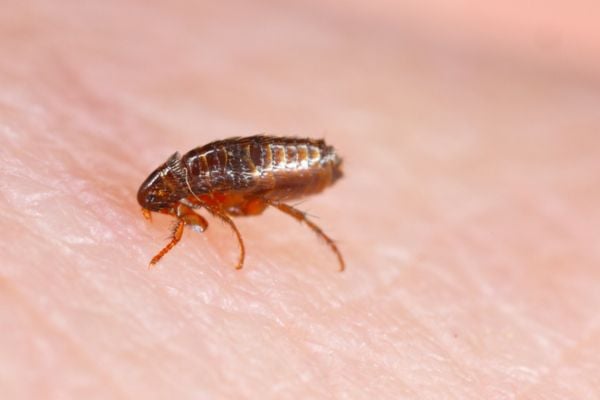
Learn more about fleas on dogs and how to protect your pets.
Ctenocephalides canis, better known as dog fleas, are actually very rare in the United States, despite being widespread in Europe. In the U.S., over 95 percent of reported fleas on dogs are actually cat fleas.
Dog fleas can only subsist on canine blood, unlike cat fleas, which can live off the blood of any warm-blooded animal, including birds, squirrels, rats, and mice. Still, you would need a microscope to distinguish one flea from the other—it’s virtually impossible to tell the physical difference between dog and cat fleas. If you’re wondering what flea bites look like on dogs or how to stop an infestation, proper identification and treatment are essential for protecting your pet.

What does a dog flea look like?
Though they can be hard to spot, it’s important to understand what a dog flea looks like so you can better identify and protect your furry friends. Here are a few key physical characteristics to keep an eye out for:
- Size: Adult dog fleas are very small, only reaching about one millimeter in length.
- Color: Their bodies are typically a reddish-brown or tan color.
- Mouthpart: A flea’s mouthpart is designed specifically for piercing and sucking from the host animal.
- Shape: Dog fleas have flattened, pancake-shaped bodies that make it easy for them to sift through a dog’s fur.
- Spines and hairs: Their legs are covered in hairs and rearward-facing spines so they can stay attached to their target.
- Legs: Fleas have strong hind legs, which they use to jump from one place to another.
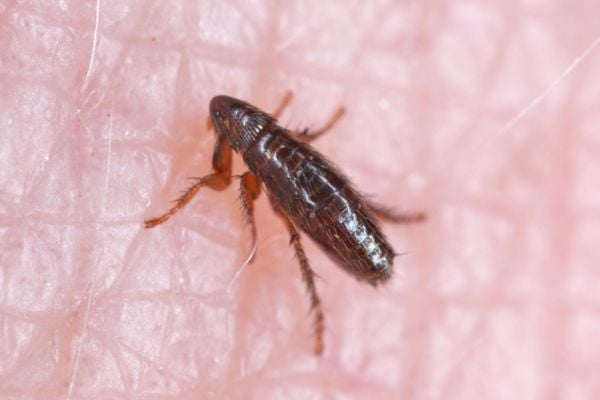
You can also keep an eye on your pet for symptoms of flea bites to help you stay aware of their presence. Fleas may also leave behind “flea dirt” or feces on your pet, which is dark brown or red debris on the skin.
Dog fleas vs. cat fleas
Ctenocephalides felis, commonly known as cat fleas, are extremely closely related to dog fleas. Although they have their differences, you’d be hard-pressed to distinguish them without a microscope. However, any subtle differences between them aren’t very important, especially in the U.S., because if your pet has fleas at all, chances are it’s a cat flea.
Cat fleas are more versatile, being able to drink blood from a wider variety of animals than dog fleas. Despite the name, cat fleas can survive just as well off a dog as they can a cat. Dog fleas, on the other hand, rely solely on canines. Both require blood meals, though—hence these two insects causing the same trouble for your pet.
Dog flea bite symptoms
If your dog is exhibiting any of the following symptoms, then it’s possible your pup’s got a flea problem:
- Itching
- Irritated skin
- A red wheel or halo at the bite site
- Hair loss
- Exhibition of a “hot spot” or an infection
When a female dog flea bites a host, she’ll immediately salivate and defecate on the open wound. This causes irritation to the skin and is the cause of the red wheel surrounding the bite. Enzymes contained within the saliva and feces cause the itchiness, and some dogs can even develop flea allergy dermatitis (FAD). Hair loss, infection, and “hot spots” are a result of continual scratching or biting at the site of the flea bite.
Though it’s rare, dog fleas can bite humans. When this happens, the person who was bit may develop a rash with small, bleeding bumps, or red, round bumps with a halo shape.
Fleas are ectoparasites, which means they can be the cause of flea anemia or tapeworms. Additionally, fleas are known to transmit a variety of diseases, including tularemia or the bubonic plague.
Depending on the individual, flea bites can last anywhere from a day to two weeks, depending on resistance and treatments applied. Generally, flea bites on humans are harmless and clear up on their own. You’re most likely to get bit by a flea on your legs, forearms, or ankles.
How long can dog fleas live in my house?
Without a host, a flea will only last one or two weeks, but with a host, they can live for up to a whole year. In a household, fleas generally prefer moist, shady areas.
If they’re not on your pet, then they’re likely to be spotted between the fibers of carpets, mats, and rugs. A dog flea’s lifespan varies depending on its environment and whether there is a host present for the flea.
Dog flea life cycle
The female of the species spends most of her life on the host animal and requires a blood meal before she can lay eggs. Once she’s had her blood meal, she can produce up to 4000 eggs in her lifetime, right on the fur of the host.
Dog fleas have four stages of life:
- Egg: A female flea can lay up to 50 eggs per day. Under the right conditions, they hatch into a larva within 2-12 days.
- Larva: Larvae are small, pale worms that prefer the dark so they can crawl into crevices and gaps. They feed on organic debris like skin flakes, food particles, and feces from mature fleas.
- Pupa: After the larvae feed and grow, they’ll spin themselves a cocoon out of silk. It can camouflage easily when dust and dirt stick to it, and it can remain in its pupal form for months until an animal passes by.
- Adult: This is the stage in which fleas start drinking blood and reproducing.
Their development cycle can be as little as 14 to 21 days, or it can take as long as a year. The time frame depends on environmental factors, such as humidity and temperature.
Dog flea treatments
If your dog has fleas, the most effective and reliable way to get rid of them is to medicate your pet. You can get flea medication from your vet or a local pet store, and it can be either a topical spot treatment, an oral tablet, or a flea collar. Be sure to use these products regularly as instructed to ensure consistent protection.
If you’re worried about the differences between cat fleas and dog fleas, don’t be! Most kinds of fleas are susceptible to the same treatments, so whether your pet has cat fleas or dog fleas, the treatments will all work the same.
You may be wondering if you need to treat your entire house if it turns out your dog has a flea problem. Most likely, yes. Otherwise, your poor pooch will just end up in a cycle of reinfection. Fleas spread quickly, so if your dog’s already got fleas, it’s probable that some have made their way into your living space. You’ll want to make sure your home is clear of fleas if you know your pet’s been infected.
If you’ve been bitten by a flea, it’s likely you won’t need any treatment. Over-the-counter anti-itch creams and ointments or antihistamines can help relieve any itchy skin or discomfort. DIY treatments like aloe vera or ice packs can alleviate minor symptoms.
Even though a human that’s been bit by a flea is likely to be fine, it’s still possible for someone to experience a more serious reaction to a flea bite. If this is the case, it’s best to see your healthcare provider for options and treatment for more severe symptoms.
How can I prevent dog fleas?
Controlling and eliminating dog fleas can be a monumental task. Although there are plenty of medication options available to treat your pet, sometimes the best offense is a good defense. Being proactive in preventing fleas from becoming a problem can save you a world of headaches. Here are a few preventative measures you can take:
- Wash bedding regularly: Using hot water to wash your and your dog’s bedding consistently can kill fleas.
- Preventative medication: Giving your pets preventative flea medication can help ensure fleas in your space have no available hosts to survive on.
- Vacuum thoroughly: Getting under beds, inside closets, and other hard-to-reach places can remove eggs, larvae, pupae, and even adult fleas.
- Cut grass often: Keeping the grass in your yard short can help prevent fleas from congregating.
- Eliminate potential flea harborage areas: Leaf litter, woodpiles, and pine straw are all potential sites that can hold fleas, so getting rid of them helps reduce the possibility of fleas on your property.
Fleas are primarily active during the spring and summer months. They thrive in shaded, moist, and undisturbed areas, so being mindful and aware during those times of year can help you catch flea problems before they escalate.
If you're dealing with a serious flea problem, the most reliable and effective way to eliminate existing fleas is with professional pest control. It can be frustrating dealing with a flea infestation on your own, but our pest control experts have the training, materials, and proper equipment to deliver safe and effective flea control, prevention, and long-lasting protection for you, your family, and your pets.