How to help keep critters out of the attic
Content updated: October 1st, 2026
Key takeaways
- Attics can be prime targets for wildlife such as raccoons, bats, and squirrels because they offer warmth, shelter, and protection from predators, and homeowners rarely check them.
- Listening for late-night scratching and checking for droppings, tunneled, displaced or shredded insulation, and urine odors can help determine if you have critters in the attic.
- Trimming tree limbs away from your roofline and securing outdoor trash cans helps remove the primary climbing paths and food sources that can attract wildlife to your home.
- Covering soffit vents and installing chimney caps or appropriate pest-proof screens over roof openings can help prevent animals from chewing their way back inside.
- Terminix wildlife control services are the safest, most effective way to help remove critters from the attic and seal entry points.
Jump to section:
What causes critters in the attic?
How to get rid of critters in the attic
Contact a professional for wildlife removal
Few things are more stressful than hearing unexpected noises overhead and realizing you have critters in the attic. Attics can provide animals with a warm, safe spot sheltered from the elements, making them prime targets for raccoons, squirrels, bats, birds, and other wildlife. Taking a few steps can help you protect your home, avoid costly damage, and keep unwanted animals out.
If you’ve taken steps to prevent critters in the attic or other areas of your home, and they’re still getting indoors, Terminix wildlife control services can help. Our experts can inspect your home to locate potential entry points, safely remove any wildlife, and seal openings with pest-proof material, so animals can't return.
What causes critters in the attic?
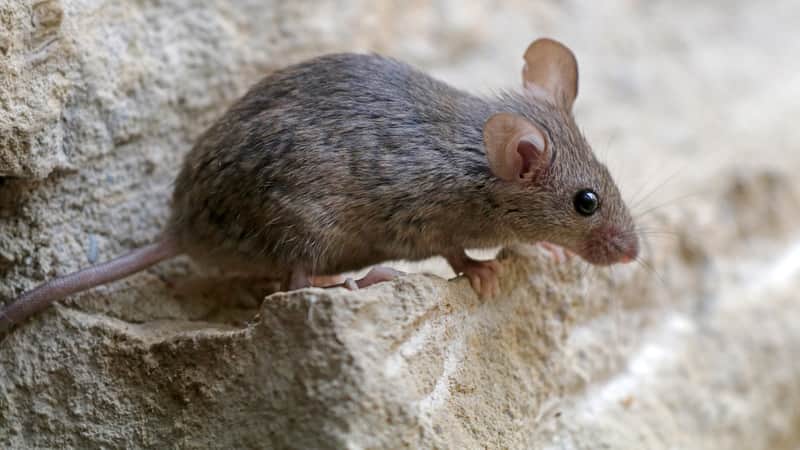
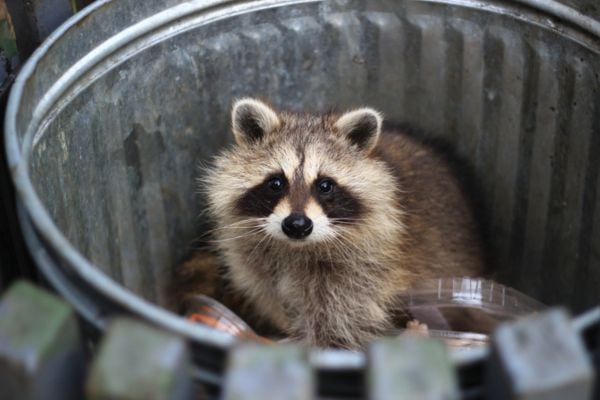
Attics can be prime targets for wildlife because they offer shelter, warmth, and protection from predators, especially as seasonal weather turns cold or rainy. Common critters in the attic can include raccoons, squirrels, bats, mice, and birds. These animals can easily squeeze through gaps in rooflines, damaged soffits, or unshielded attic vents.
Everyday household conditions often attract these animals toward your home. Overhanging tree branches can serve as natural bridges to your roof, while clogged gutters can create an easy water source. Nearby food attractants such as uncovered trash cans, outdoor pet dishes, and bird feeders may also draw wildlife to your property.
.jpg?rev=36f469d34db04016acd38be6c99eefe3&hash=C85272E14A9A400F7A774D0C48B6AC26)
How to get rid of critters in the attic
Learning how to get rid of critters in the attic starts with identifying entry points, clearing them out safely, and taking steps to ensure they can't get back in. If there are many animals or they can pose a risk to your safety, contact a professional for wildlife removal.
Check for existing animals in your attic
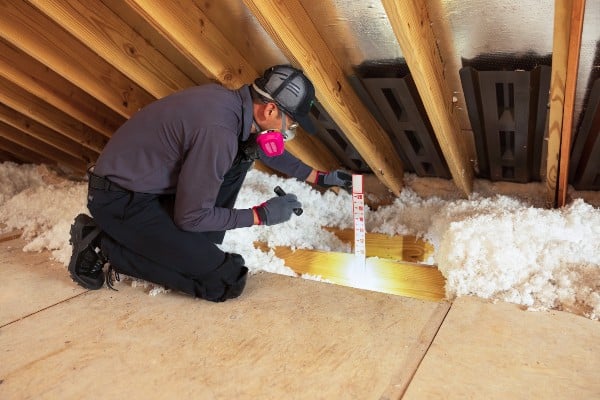
Before sealing up any openings, have a professional inspect your attic to ensure animals haven't already moved in. Wildlife technicians are trained to spot subtle signs of pests in your attic, including:
- Physical evidence: Droppings, shredded insulation, urine stains, damaged air ducts, and nests made from leaves, paper, or twigs.
- Unusual noises: Listen for daytime scampering, chirping, or gnawing, late-night scratching or squeaking, or growls and chittering.
Having an expert handle the inspection helps ensure animals aren't accidentally trapped inside, which can lead to further property damage.
Inspect the exterior of your home
Animals usually enter attics through gaps and holes, unshielded chimney pipes, or damaged roof vents. Finding and closing these weak spots around your roofline is one of the best ways to keep wildlife out.
- Look for small entry points: Persistent pests, including rodents, can squeeze through surprisingly tight spaces and widen small gaps by gnawing.
- Get a professional roof inspection: Many critical entry points, like roof valleys, chimney caps, and high vents, aren't visible from the ground. A professional can inspect high-risk areas safely.
Seal entry points
If you discover holes or gaps around your home's exterior, have them repaired promptly. Always make sure any animals inside are safely removed before sealing up entry points.
- Cover extra surface area: When sealing holes yourself, extend your repair materials a few inches past the opening. This can help prevent rodents from chewing around the edges to break back in.
- Protect soffit vents: Install durable vent covers over any open or exposed soffit vents.
- Screen attic vents: Fasten heavy-duty steel mesh screens over attic vents using strong fasteners. Make sure the screen is sturdy enough to resist chewing without blocking airflow to your roof.
Trim trees and maintain your yard
You can make it much harder for wildlife to reach your roof by eliminating easy climbing paths and outdoor attractants around your property.
- Cut back branches: Trim tree limbs so they are at least 6 to 8 feet away from your roofline. This helps remove potential bridges that wildlife like squirrels, raccoons, and roof rats can use to access your home.
- Move firewood stacks: Store firewood, lumber, and brush piles at least 20 feet from your home, and elevate them off the ground to reduce nearby nesting sites.
- Keep your perimeter clear: Trim back overgrown bushes, tall grass, and dense shrubbery touching your foundation.
Remove food and water sources
Eliminating food and water around your yard is one of the most effective ways to avoid attracting unwanted wildlife to your property.
- Secure outdoor trash: Keep trash and recycling bins tightly covered with secure lids to prevent animals from foraging.
- Bring pet food inside: Feed your pets indoors, or promptly bring outdoor food and water bowls inside before dark.
- Clean up fallen fruit and nuts: Regularly pick up dropped fruit, acorns, or nuts from your lawn, and clean up scattered seed under bird feeders.
- Fix standing water: Repair leaky outdoor spigots and empty birdbaths or other containers that can collect water.
Contact a professional for wildlife removal
While DIY steps can be great for prevention, dealing with active wildlife in your home can be dangerous and unpredictable. Contacting a professional is the best way to handle critters in your attic safely and effectively.
Our experts can identify entry points, humanely remove animals, and seal gaps using pest-proof materials to help protect your space and family. Schedule your free wildlife inspection to get started.

.jpg?h=400&w=600&rev=e46de349752d43459060ca1a54e10e94&hash=C1CA03136DFFC60C7191E8FAF251EE79)