DIY
How to keep ants away
Content Updated: April 21, 2026
Key takeaways
Ants enter homes in search of food, water, and shelter. Even small crumbs, spills, or moisture from leaks can attract scout ants, which leave scent trails that guide others into your home.
Seal entry points, close gaps around doors and windows, fix leaks, maintain proper ventilation, and keep food and trash properly stored.
Wipe down surfaces, remove crumbs, empty the trash, and eliminate nesting materials such as leaves, twigs, and rotting wood near your home to make it less inviting to ants.
While DIY ant control methods may provide short-term relief, professional services offer inspections, targeted treatments, and expert guidance to help prevent ants at home.
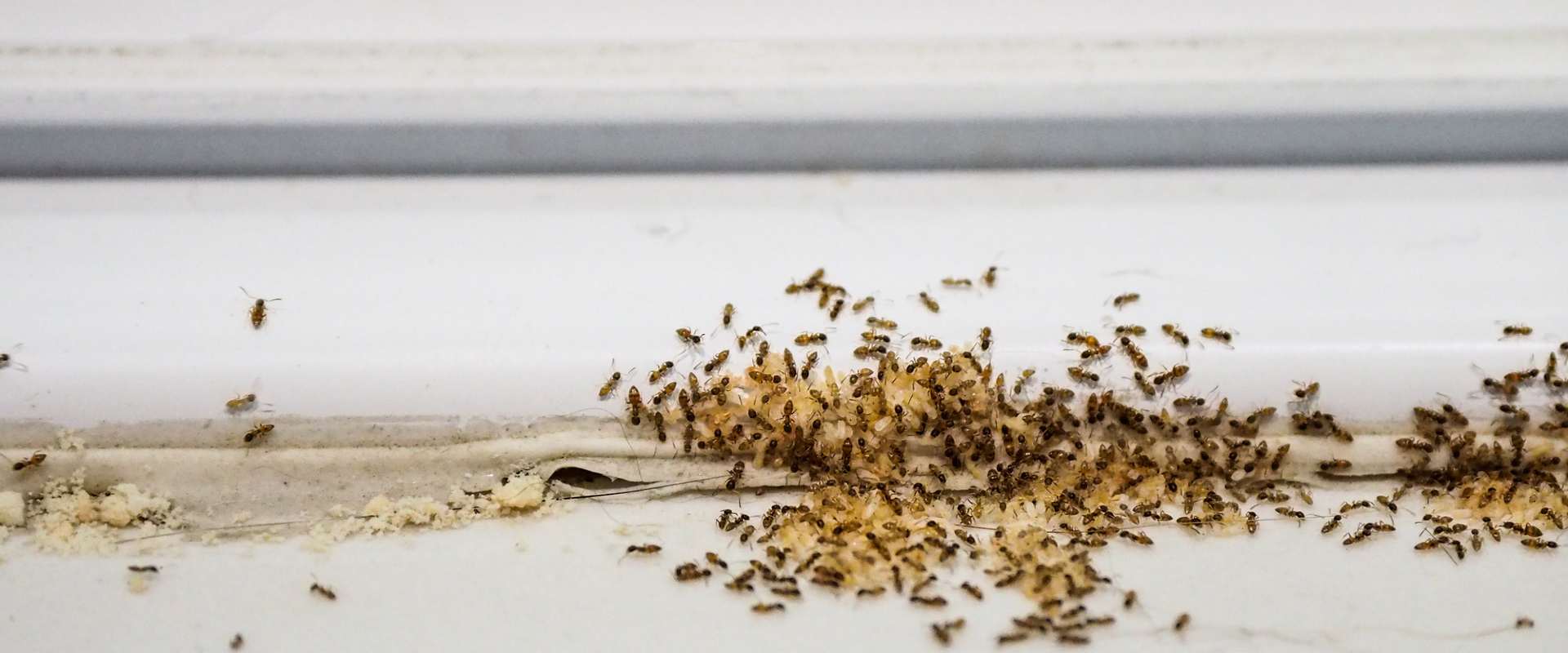
Ants may be small, but they can quickly become a problem once they find their way inside your home. Most ants enter houses in search of food, water, or shelter, and once they do, they can leave scent trails that lead others straight to the source. Over time, this can turn a small issue into a full-blown infestation, with colonies forming inside walls, under floors, or around your property.
Beyond being a nuisance, ants can contaminate food and, in some cases, like carpenter ants, cause damage to wood structures. The good news is that learning how to keep ants away doesn't have to be complicated. With the right approach, you can keep ants out of your house and prevent infestations before they start. If your prevention tactics aren't working, our expert ant control services are here to help.
What causes a lot of ants in houses?
A large number of ants in your home is usually caused by easy access to food, water, and entry points. Small crumbs, spills, pet food, or moisture from leaks can attract scout ants. Once a scout finds a reliable source, it leaves behind a chemical trail (pheromones) that guides other ants into your home, quickly turning a few ants into a noticeable infestation.
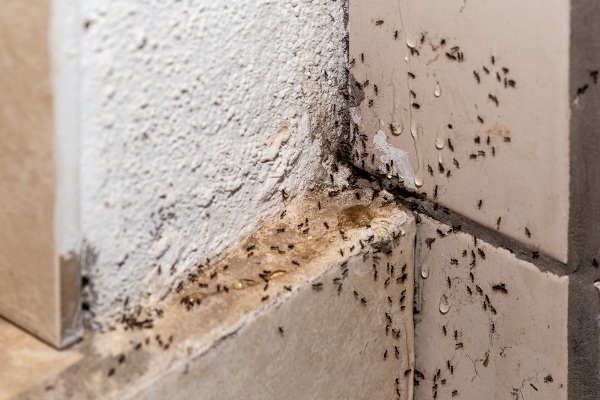
Ants typically enter homes through tiny cracks in walls, gaps around doors and windows, and vents. Inside, they tend to travel along baseboards, under sinks, and near kitchens or pantries where food and moisture are readily available.
Home maintenance tips for ant prevention
The best ant control method depends on the species present, but knowing how to keep ants out of your home can help protect it from infestations. Here are some effective tips to help you learn how to keep ants away:
Seal potential entry points: Close gaps around doors, windows, foundations, and utility openings with exterior-grade caulk.
Reduce moisture: Fix leaks, improve drainage, and lower humidity in kitchens, bathrooms, and basements.
Maintain a clean home: Wipe surfaces, remove crumbs, store food properly, and empty trash daily.
Eliminate nesting materials outside: Clear debris, trim yard clutter, and keep wood and organic materials away from your home.
Establish ant barriers: Use door sweeps, window screens, and trim vegetation to block and deter ants.
Chemical ant repellents
Chemical ant repellents are designed to target specific ant species and disrupt their behavior. While these products can be effective for keeping ants out of your house, it's important to use them safely and follow all product instructions carefully.
These products can pose risks to people and pets if misused or applied in areas where they may come into direct contact. Avoid placing treatments near food preparation surfaces, and keep baits or sprays out of reach of children and animals.
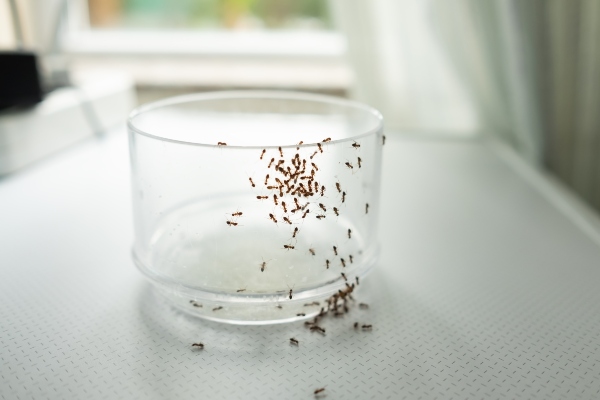
Homemade and natural ant deterrents
DIY ant control methods are a common starting point for homeowners, especially for minor infestations. Common homemade ant deterrents include:
Vinegar: Commonly mixed with water and used as a spray to disrupt the scent trails ants rely on for navigation.
Dish soap: Dish soap solutions can be used as a spray to kill ants on contact and break down their exoskeletons.
Borax: Borax is sometimes used in DIY bait mixtures, where ants consume it and carry it back to the colony.
Essential oils: Strong essential oils like peppermint, cinnamon, and lavender are often used as natural repellents in sprays or along entry points to help keep ants out of your house.
Many of these methods require frequent reapplication to remain effective. While they may help with short-term control, they typically do not address the root of the infestation. It's also important to use caution when applying homemade treatments. Some ingredients, like essential oils and borax, can be harmful to people and pets if ingested or used improperly.
Keep in mind that using repellents can make some infestations harder to control. Certain species can respond to disruption by "budding," where part of the colony splits off to form new colonies. This can increase the size of the infestation rather than eliminate it.
Invest in preventive treatments
Prevention is the most effective way to avoid ant infestations. By sealing entry points, maintaining a clean home, and reducing moisture, homeowners can significantly reduce the chances of ant activity. DIY solutions may offer temporary relief, but they don't always address the root of the infestation or the specific ant species involved.
While these methods are a great start, professional treatment is often the most reliable way to achieve long-term control. Our experts understand how to keep ants away and out of your home. A Terminix technician can inspect your property, identify the ant species present, and recommend a tailored treatment plan designed for lasting results, helping to eliminate current infestations and prevent future ones. Schedule your free inspection to get started.