
Commercial
How to get rid of pigeons around your business
Content updated: October 14th, 2026
Key takeaways
- Learning how to get rid of pigeons involves limiting food, water, and shelter while addressing areas where pigeons regularly nest or roost.
- Removing pigeons yourself can pose health and safety risks from droppings and nesting materials, and such work may be subject to federal, state, and local regulations.
- Humane pigeon removal can help address existing activity while reducing the risk of disturbing birds or improperly handling contaminated areas.
- Prevention techniques such as sealing entry points, installing bird netting or spikes, and modifying nesting and roosting areas can help keep pigeons from returning.
- Repellents and deterrents, including visual, sound, vapor, and contact-based products, can help make commercial properties less attractive to pigeons.
Jump to section:
What to know about pigeons before you get rid of them
Remove food and other pigeon attractants
Use humane traps to remove pigeons
Seek professional pigeon removal services
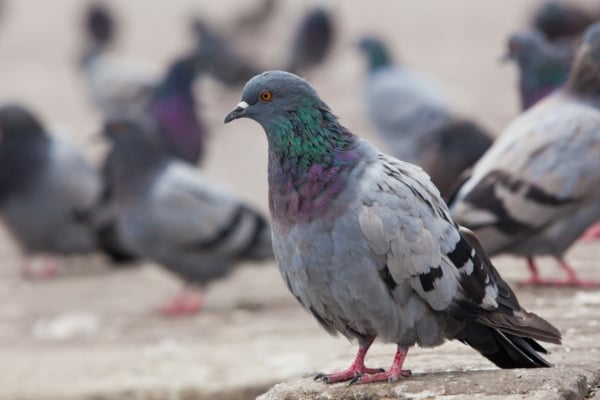
Pigeons are a familiar sight in cities, parks, farms, and around commercial properties. While they may not cause problems when they’re simply passing through, large numbers can become a nuisance when they roost or nest on buildings.
Pigeon activity can lead to droppings, food contamination, property damage, and other sanitation concerns. If pigeons have become a persistent problem on your property, learning how to get rid of pigeons can help you determine the right steps to manage and prevent their activity. Terminix commercial bird control services are designed to help manage and prevent ongoing activity.
What to know about pigeons before you get rid of them
Before attempting to remove pigeons, consider the safety risks and the conditions attracting them to your property. The best pigeon management approach also depends on where they’re gathering, nesting, and how many there are. Pigeon control options may involve a combination of deterrents, exclusion, habitat modification, and sanitation rather than simply removing the birds.
Pigeon control can be subject to federal, state, and local requirements. While feral or rock pigeons are not protected under the federal Migratory Bird Treaty Act, other bird species may be protected, and additional restrictions may apply. Bird removal experts can help determine how to deter pigeons and safely remove them.
Remove food and other pigeon attractants
Knowing how to get rid of pigeons starts with limiting the food, water, and shelter that can attract them to your property. These steps can help reduce pigeon activity and support an ongoing pigeon management plan:
- Secure trash and dumpsters: Close trash bins securely and clean up food scraps around dumpsters. Pigeons can scavenge for discarded food and may be attracted to easily accessible waste.
- Remove food promptly: Take dishes, platters, and leftover food indoors after events or meals. Clean up spills and food debris as soon as possible.
- Eliminate standing water: Remove or address sources of standing water, such as clogged drains, leaky outdoor fixtures, and containers that can collect rainwater.
- Limit access to nesting areas: Inspect rooftops, ledges, loading areas, and other sheltered spaces for gaps or openings that pigeons may use to nest.
- Make roosting areas less attractive: Consider physical deterrents on ledges, beams, and other surfaces where pigeons regularly land or roost.
- Address activity early: Inspect your property regularly for signs of pigeon activity. Early intervention can help prevent a small problem from becoming an ongoing nuisance.
Set physical pigeon barriers
Part of pigeon abatement is preventing pigeons from accessing areas where they can nest or roost. Inspect rooftops, rafters, attics, ledges, balconies, garages, outdoor sheds, and other sheltered areas for potential entry and roosting sites.
Physical and electronic deterrents can help deter pigeons by making these areas less accessible or appealing:
- Bird spikes and wire: Install steel bird spikes or similar products on ledges, roof edges, and other surfaces where pigeons regularly land.
- Bird netting and screens: Cover vents, openings, and other access points with appropriate netting or screens to help prevent pigeons from entering and nesting.
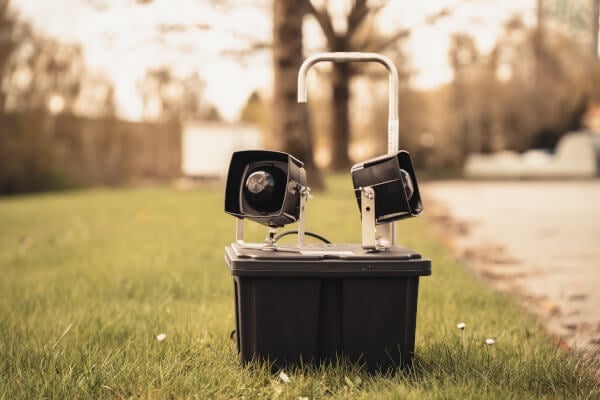
- Sound deterrents: Electronic bird deterrents, such as Bird AlertTM, can use sound to help discourage birds from gathering in targeted areas.
- Other deterrents: Depending on the property and level of activity, additional products and bird-proofing methods may help make roosting and nesting areas less attractive.
Use humane traps to remove pigeons
If pigeons have entered your building, professional pigeon removal can help address the problem and reduce the risk of ongoing activity. Any trapping or removal should comply with applicable federal, state, and local regulations governing the handling, release, or disposal of captured birds. Because regulations and appropriate removal methods can vary, it’s best to have a trained professional handle pigeon trapping and removal.
Apply bird repellents
Repellents can help discourage pigeons from roosting or nesting in targeted areas. Depending on the property and level of activity, professionals may use visual, scent-based, or vapor repellents.
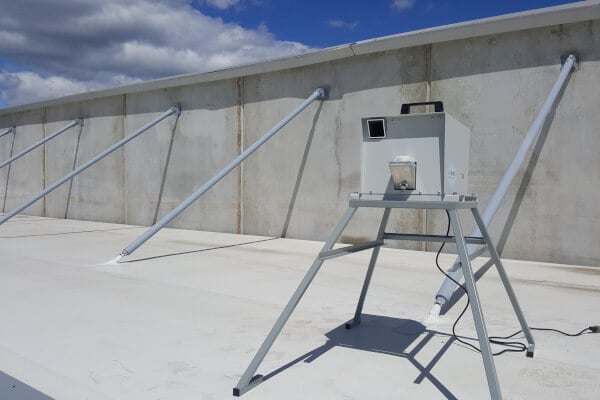
- Vapor repellents: Systems such as BirdBuffer release an invisible, dry vapor containing methyl anthranilate (MA), a food-grade compound. The vapor creates a temporary, unpleasant sensation for birds, encouraging them to leave the area without harming them.
- Visual repellents: Reflective bird diverters, predator decoys such as fake owls, and other visual deterrents can make an area less appealing to birds. These methods are generally most useful as part of a broader bird control strategy.
- Bird repellent gels: Repellent gels can be applied to surfaces where pigeons regularly land or roost. The sticky surface makes those areas less suitable for perching and nesting.
- Multi-sensory deterrents: Combining sight, sound, scent, or touch-based deterrents can help address bird activity in different areas of a commercial property. A Terminix professional can determine which approach fits the property and bird activity.
Seek professional pigeon removal services
Deterring a few birds can help reduce problems, but larger infestations often require professional pigeon management. If pigeons are nesting or roosting in multiple areas, entering occupied parts of your building, or leaving significant amounts of droppings and nesting material behind, you should contact a professional for commercial bird control.
Professional pigeon control may include a combination of removal and exclusion, physical deterrents, repellents, and other ongoing pigeon management solutions. To learn more about bird control solutions for your property, schedule a commercial inspection or request an estimate with Terminix.


