DIY bee spray may temporarily reduce bee activity, but homemade and store-bought products often fail to eliminate an established bee hive long-term.
Many bee spray products contain harsh chemicals that can harm honeybees and other important pollinators while creating unnecessary environmental risks.
Proper bee identification is critical before treatment because a hornet or wasp nest may require a completely different removal approach.
Prevention methods such as sealing entry points, removing standing water, and cleaning outdoor food sources can help discourage future nesting activity.
Professional bee control is often more effective than DIY bee spray because it addresses the hive itself rather than just surface bee activity.
While a DIY bee spray might seem like a quick fix for a bee hive near your home, its overall effectiveness varies greatly depending on whether you use homemade mixtures, store-bought products, or professional treatments. Since bees are vital pollinators, resorting to chemical sprays can cause unintended environmental harm while failing to address the root of the problem. For the safest and most responsible resolution, professional bee control is the best approach to evaluate and manage the situation without unnecessary risks.
DIY bee spray options
When looking for a DIY bee repellent or elimination method, you will generally find three main categories: homemade liquid mixtures, store-bought sprays, and professional treatments. Before attempting any DIY pest control, it is important to understand what these methods are, how they are applied, and their distinct risks.
Homemade bee sprays
Many people make home remedies for bees using household ingredients such as peppermint oil, citrus extracts, vinegar, or dish soap mixed with water. These liquid mixtures are typically sprayed around porches, eaves, or gardens to act as a natural deterrent. While this type of DIY bee spray might temporarily repel insects, it is ineffective at eliminating or permanently relocating an established colony.
Store-bought bee sprays
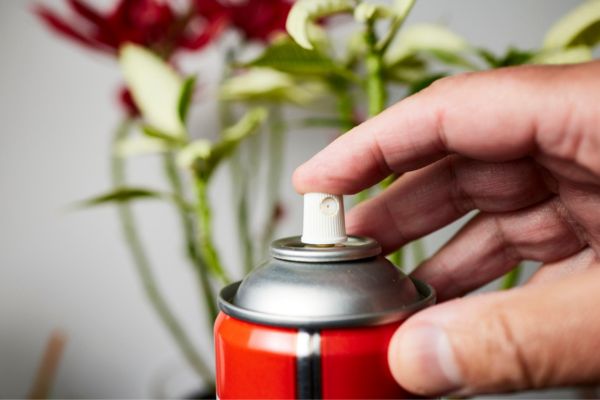
Over-the-counter bee spray products are typically sold at hardware stores as long-reaching liquid aerosols or expanding spray foams. These products are meant to be sprayed directly onto the bee nest and contain harsh chemical insecticides designed for a rapid knockdown. Unfortunately, these chemicals harm the environment, and if the physical honeycomb is not completely removed, surviving bees will often return to the same spot.
Professional bee spraying
Professional spraying involves targeted chemical applications applied by a trained pest control technician. Since honeybees and other pollinators are so crucial to the ecosystem, lethal professional spraying is strictly considered a last resort. Terminix technicians will always evaluate the nest first to see if safe, live removal or relocation is possible before applying any chemicals, and will recommend working with a beekeeper when necessary.
DIY bee spray applications
DIY bee spray products are commonly applied directly to visible nests, hive entry points, or areas with frequent bee activity. However, before treating a bee problem yourself, it is crucial to understand both the product instructions and the severe safety risks involved.
Confirm the pest: Proper bee identification is an essential first step. Ensure you are not actually dealing with a highly aggressive hornet or wasp nest.
Choose the right time: Apply treatments only in the late evening or early morning. Avoid the warm daylight hours when bees are most active and quick to defend the hive.
Apply with caution: Sprays are designed to be applied from a safe distance (10–15 feet) directly at the nest entrance. To help prevent painful bee stings from a defensive swarm, always wear thick, protective clothing.
Know when to stop: If you are dealing with a massive swarm or a nest located out of reach, stop immediately. These situations can be dangerous and require professional removal to prevent structural damage and injury.
Rather than relying on chemical bee sprays after a nest is already established, proactive bee prevention is a much safer approach. You can naturally deter bees using a few simple property maintenance steps.
Caulk gaps around your home's siding and utility lines to physically block entry points.
Keep outdoor trash bins tightly sealed to eliminate easy access to food.
Clean up sugary spills and dropped fruit from your yard immediately.
Fix leaky outdoor faucets and clear clogged gutters to remove attractive standing water.
Responsible bee management practices
Honeybees and other pollinators are incredibly important for our food supply and the health of our ecosystem. At Terminix, we believe in protecting these essential insects instead of simply wiping out their nests with DIY chemicals. When you call us for your bee control needs, our trained technicians take the time to correctly identify the species on your property and determine the most appropriate solution. Whenever possible, we focus on safely removing and relocating the hive while also protecting your family from painful stings.
What is your address?
Your customized price is based on location.
Oops, we detected that your session has expired after a period of inactivity. Please enter your address to start again!
Sorry, we were unable to verify your service address . If this is the correct address, please continue as is to resubmit, otherwise you may edit your address and try again.