
How to handle a cockroach infestation
Key takeaways
- Cockroaches are resilient and troublesome pests that reproduce rapidly and can quickly become an infestation.
- Effective management of cockroaches requires targeted treatments, as they can carry diseases and trigger allergies in humans.
- Prevention measures, such as sealing entry points and maintaining cleanliness, are crucial in reducing the likelihood of a cockroach infestation.
- Routine inspections and professional pest control services can help mitigate cockroach populations before they become a larger problem.
Jump to section:
What causes a cockroach infestation?
How to find signs of a cockroach infestation
Health risks associated with roaches
How to treat your home for a cockroach infestation
Tips to help prevent future roach infestations
Cockroaches can send shivers down anyone's spine. These nocturnal pests are known for their rapid reproduction and can quickly turn a home into an uncomfortable living environment. Whether you're noticing a few roaches in the house or a full-blown cockroach infestation, contacting a pest control professional for roach control is the best way to ensure thorough, lasting eradication.
What causes a cockroach infestation?
Cockroaches can enter a house through cracks, crevices, vents, drains, and open doors or windows. They can also be inadvertently brought in through grocery bags and second-hand furniture. These pests seek out warm, dark, and sheltered places to hide and are drawn by strong smells from food and garbage.
An infestation occurs when cockroaches multiply rapidly under ideal conditions. While there isn't a specific "roach season," cockroach activity tends to increase during warmer months, as they thrive in higher temperatures and humidity levels. But what causes roaches if my home is clean? Even the cleanest of homes can still have a cockroach infestation, as these pests are attracted to any food or shelter.
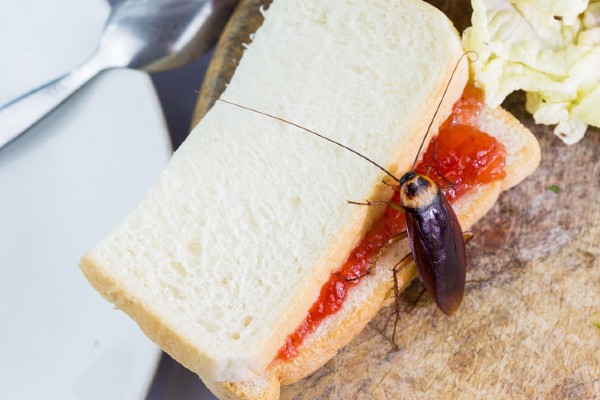
How to find signs of a cockroach infestation
Cockroaches like to hide in dark, warm, secluded areas, such as kitchen cabinets, bathroom sinks, or basements. While they can be tricky to spot, here are a few signs of a roach infestation in your house.
- Frequency of sightings: Seeing one or two roaches occasionally might not be alarming, but frequent sightings, especially during the day, can indicate an infestation.
- Droppings: Roach droppings resemble coffee grounds or black pepper. Finding droppings in various locations around your home is a strong sign of an infestation.
- Egg casings: Roaches lay eggs in brown, cylindrical cases known as oothecae. Finding these casings can indicate that roaches are breeding in your home.
- Musty odor: If you notice a strong, unpleasant, musty smell, it could indicate an infestation.
- Shed skins: As roaches grow, they shed their skin several times. Finding these shed skins is a sign of roach activity and possible infestation.
Health risks associated with roaches
Knowing how to get rid of a roach infestation is crucial because of the several health risks associated with cockroaches. This includes:
Allergies: Cockroach saliva, feces, and shed body parts can trigger allergic reactions in some people. Cockroaches are a common trigger for asthma symptoms, particularly in children.
Asthma: Exposure to cockroach allergens can worsen asthma symptoms and lead to more frequent and severe asthma attacks, especially in children and individuals.
Disease transmission: Cockroaches can carry and spread various bacteria, pathogens, and parasites, including Salmonella, E. coli, and parasitic worms.
Contamination: Cockroaches can contaminate food, utensils, and cooking surfaces with their droppings, saliva, and body parts.

Home treatments for a cockroach infestation
It's essential to prep your home and keep it clean to help prevent future infestations. Make sure to vacuum to remove debris, seal food in airtight containers, and mop floors to eliminate any pheromone trails left by cockroaches.
While some DIY roach infestation treatments exist, they don’t address the root cause of the problem. Our technicians are trained to control infestations at the source and may use a combination of traps, baits, non-repellent dusts, and liquid insecticides for treatment.
You can also take proactive measures, such as sealing cracks and crevices, installing door sweeps, and keeping windows closed to help prevent infestations. For immediate relief, using sticky traps can help catch visible roaches and provide quick results while you work on a long-term solution.
Tips to help prevent future roach infestations
Here are a few tips that can help prevent a cockroach infestation in your home:
- Regularly clean kitchen counters, floors, and dining areas to remove crumbs and spills.
Store food and pet food in airtight containers. Avoid leaving food out in the open, including on counters and tables.
Inspect your home for cracks, crevices, and gaps around doors, windows, and utility pipes. Seal these entry points to prevent roaches from entering.
Fix leaky pipes, faucets, and drains to reduce moisture in your home.
Dispose of garbage regularly and use trash cans with tight-fitting lids.
Reduce clutter in your home, including stacks of newspapers, cardboard boxes, and other materials where roaches can hide and breed.
Carefully inspect groceries, packages, and second-hand items for roaches before bringing them into your home.
Schedule regular inspections and treatments with a professional pest control service.
Cockroaches are one of the 25 pests covered in Terminix’s ongoing pest protection plans, PestFree3651 and PestFree365+.2 A multipoint interior and exterior inspection can help identify areas where cockroaches have infested, and our regularly scheduled pest treatments can help prevent them from returning.
1Coverage includes: "House" Ants, Bird Mites, Indoor Ticks, Cockroaches, Carpet Beetles, Fabric Moths, Overwintering Insects, Ground Beetles, Centipedes, Crickets, Earwigs, Firebrats, Millipedes, Clover Mites, Pillbugs/Sowbugs, Psocids, Scorpions, Silverfish, Paper Wasps, Springtails, Spiders, Stored Product Beetles, Stored Product Moths, Mice, and Rats.
2Coverage includes: Black Widow Spiders, Brown Recluse Spiders, Voles (interior only), Bed Bugs, Fleas (interior only), Bumble Bees, Carpenter Bees, Solitary Ground Bees, Yellowjackets, Hornets, Baldfaced Hornets, Crazy Ants, Carpenter Ants, and Fire Ants.