Silverfish
The silverfish life cycle
Content Updated: January 8, 2026
Key takeaways
- Silverfish develop slowly but can live for several years, growing from egg to adult over months and reaching full maturity around three years.
- Silverfish undergo ametabolous development, meaning nymphs hatch as small versions of adults and grow larger over time, rather than undergoing a series of transformations through multiple stages.
- Eggs are laid in small batches in dark, humid, hidden spots and may take several weeks to over a month to hatch.
- Nymphs and adults thrive in warm, humid environments, molting many times throughout their lives.
- Silverfish live longer indoors where they have consistent shelter, stable temperatures, and fewer predators.
Jump to section:
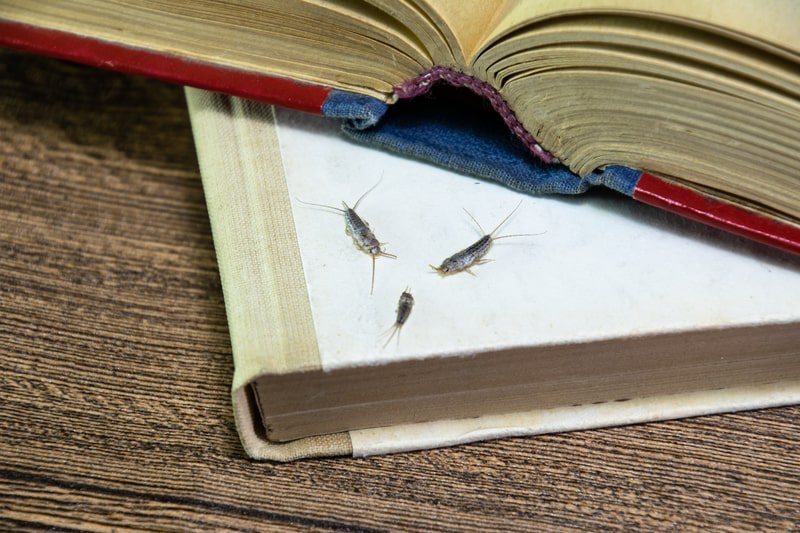
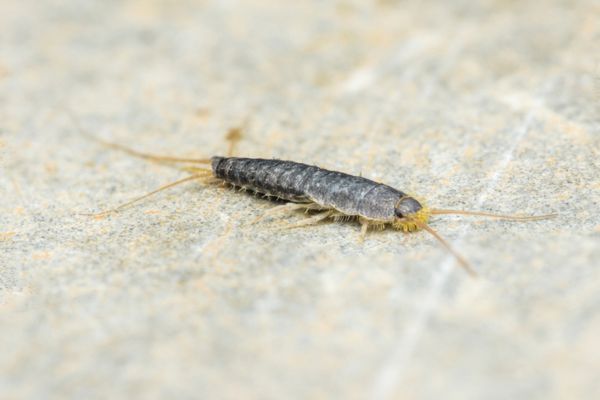
Silverfish are primitive insects classified in the order Zygentoma. They have carrot-shaped bodies with long, tail-like appendages, and metallic-gray scales on their bodies, which is how they got their name “silverfish.” The silverfish life cycle can be slow and long-lasting, spanning several months from egg to adult and lasting for several years. Once they settle into a damp environment, they can stick around for quite a while.
If you’re seeing silverfish in your home, our experts can help. Our professionals understand what attracts silverfish indoors, how to remove them, and how to prevent future infestations.
Silverfish life cycle and development process
Silverfish grow through a process called ametabolous development, which means they don’t go through dramatic changes like many other insects do. Instead of transforming from larvae to pupae, they hatch as tiny versions of adults and grow larger over time.
Eggs
Female silverfish lay a few eggs at a time, typically depositing them in small batches. The eggs are usually laid in dark, secluded, and humid spots, such as cracks in baseboards, behind appliances, inside wall voids, or under sinks. Depending on temperature and moisture levels, silverfish eggs can take anywhere from several weeks to over a month to hatch, with warmer, more humid conditions speeding up the process.
Nymph
The nymph stage looks almost identical to the adult stage, just smaller. Unlike fully mature silverfish, nymphs lack the shiny scales and developed reproductive organs of adults. The nymph portion of the silverfish life cycle can last several months to a few years, depending on temperature, humidity, and food availability. In warm, humid environments, they develop much faster, while in cooler or drier conditions, their growth can be slow.
Adult
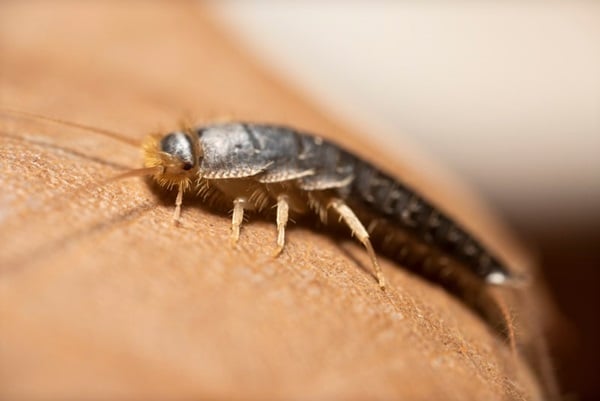
Throughout the silverfish’s life cycle, they shed their outer skin to allow for new growth. Their distinctive scales usually appear around their third molt. Silverfish continue to molt even after reaching maturity, and while scientists haven’t agreed on exactly how many molts they undergo, it’s believed to be dozens throughout their lifespan.
During adulthood, silverfish spend their time foraging at night, hiding in dark, humid spaces during the day, and reproducing when conditions are favorable. They can also survive winter by sheltering indoors, where heat and humidity can help them survive year-round.
How long do silverfish live?
It can take silverfish anywhere from three months to three years to reach full maturity, and once they’re adults, they can live for an additional three more years in favorable conditions. Their development speeds up in warm, humid environments, which is why they can thrive inside homes.
Indoors, silverfish tend to live longer because they have steady temperatures, moisture, and fewer threats. In the wild, a silverfish's life span is usually much shorter due to fluctuating weather, lack of consistent shelter, and natural predators like spiders and centipedes.
If you’re concerned about silverfish in your home, schedule an inspection with Terminix. Our silverfish control experts understand how to get rid of silverfish indoors and how to reduce conditions that can attract them to your home.